China's New Solar Inverter Cuts Costs, Powers Desert Farms
A Chinese company just unveiled a powerful new solar inverter that slashes costs and thrives in harsh environments like deserts and coastlines. The technology could make renewable energy cheaper and more reliable worldwide.
Building massive solar farms in scorching deserts and salty coastal areas just got easier and more affordable.
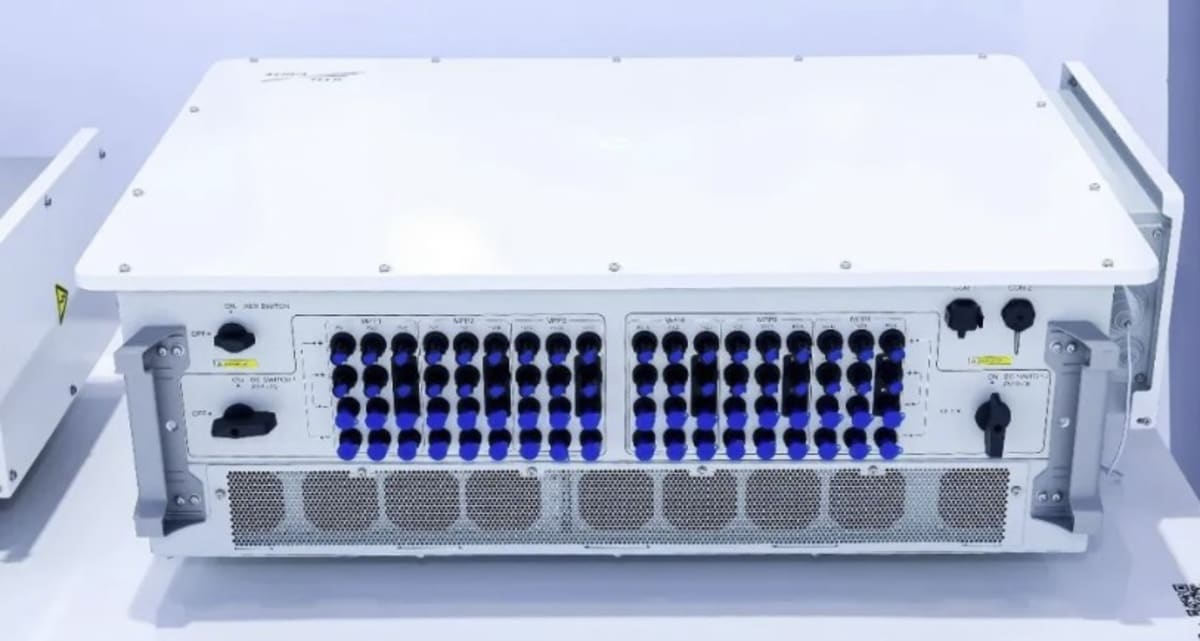
Chinese power electronics company Kehua revealed a breakthrough 465 kilowatt solar inverter at a clean energy conference in Shanghai this week. The device converts solar panel electricity into power the grid can use, and it's specifically designed to survive brutal conditions that would damage conventional equipment.
What makes this inverter special is its ability to handle higher voltage, which means fewer cables and less equipment needed overall. Kehua says the technology reduces system costs by about half a cent per watt, which adds up to millions in savings on large solar projects.
The inverter can manage solar arrays nearly twice the size of typical systems, supporting up to 5.6 megawatts compared to around 3 megawatts in conventional designs. Larger arrays mean developers need fewer individual pieces of equipment spread across vast solar farms.
Built tough for extreme environments, the inverter operates at full power even when temperatures hit 113 degrees Fahrenheit. It works at altitudes up to 16,400 feet without losing performance and features heavy corrosion protection for coastal areas with salt spray.
Desert conditions pose unique challenges, so Kehua added a clever self-cleaning feature. Fans can run in reverse to blow dust and sand out of air channels, reducing maintenance needs in locations where dust storms are common.
The safety features are equally impressive. The system monitors over 20 types of potential problems, from insulation issues to overheating connections, catching problems before they become dangerous or expensive.
The Ripple Effect
This technology arrives as countries worldwide race to build renewable energy capacity. China's massive desert solar bases need equipment that won't quit under punishing sun and sandstorms. Europe and Middle Eastern nations face similar challenges with coastal and desert installations.
Lower costs mean solar power becomes competitive in more places, accelerating the shift away from fossil fuels. When renewable energy gets cheaper and more reliable, utilities and governments invest more aggressively in clean power.
The inverter also includes grid-forming capability, which helps stabilize electrical grids as they incorporate more renewable sources. This addresses one of the biggest technical hurdles in transitioning to clean energy.
Kehua expects to begin small production runs in late 2026, with full-scale manufacturing starting by year's end. Initial shipments will head to China's desert renewable energy bases and markets in Europe and the Middle East where harsh conditions demand resilient technology.
Every technical advance that makes clean energy cheaper and tougher brings a sustainable future closer to reality.
More Images


Based on reporting by PV Magazine
This story was written by BrightWire based on verified news reports.
Spread the positivity!
Share this good news with someone who needs it