China's New Space Telescope Ready for 2027 Launch
China is preparing to launch a powerful new space telescope in 2027 that will survey the cosmos with 300 times the field of view of the Hubble Space Telescope. The groundbreaking observatory can even dock with China's space station for astronaut repairs and upgrades.
A bus-sized telescope preparing to launch into space could unlock secrets of the universe while ushering in a new era of cosmic discovery.
China's Space Station Telescope, known as Xuntian or "surveying the heavens," is set to launch as soon as early 2027. The observatory features a 2.5-billion-pixel camera and a field of view 300 times larger than the legendary Hubble Space Telescope.
Scientists just completed a full simulation of the telescope's capabilities, testing its ability to observe everything from nearby stars to the most distant galaxies. The results, published in Research in Astronomy and Astrophysics in January, confirm the instrument is ready to make major contributions to cosmology, galaxy studies, and our understanding of dark matter and dark energy.
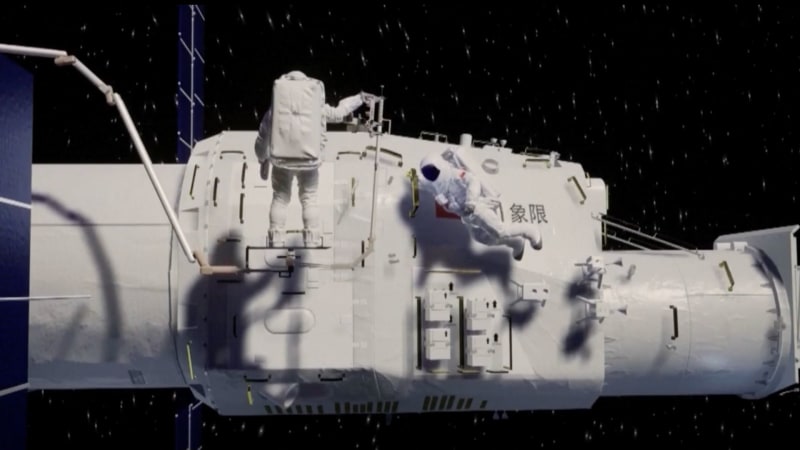
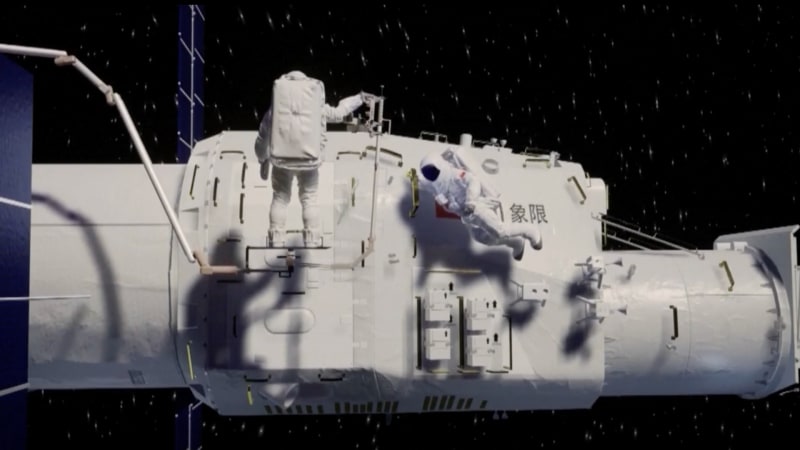
What makes Xuntian special isn't just its power. The telescope will orbit independently near China's Tiangong space station, but it can dock when needed for maintenance and upgrades.
Astronauts will be able to spacewalk to repair or even enhance the observatory, just like NASA did with Hubble five times between 1993 and 2009. This design means the telescope could serve humanity for decades, constantly improving as technology advances.
The Ripple Effect goes far beyond Chinese scientific achievement. Xuntian will study the evolution of the Milky Way, hunt for planets around distant stars, and probe the fundamental nature of our universe. Its observations could help answer questions about how galaxies form, how stars are born, and what mysterious forces shape the cosmos.
The telescope's near-ultraviolet to near-infrared capabilities will create detailed maps of the sky with unprecedented resolution. Every observation adds another piece to humanity's understanding of our place in the universe.
International collaboration in space science means discoveries made by Xuntian will benefit researchers worldwide. When one nation advances our cosmic knowledge, all of humanity gains insight into the wonders surrounding us.
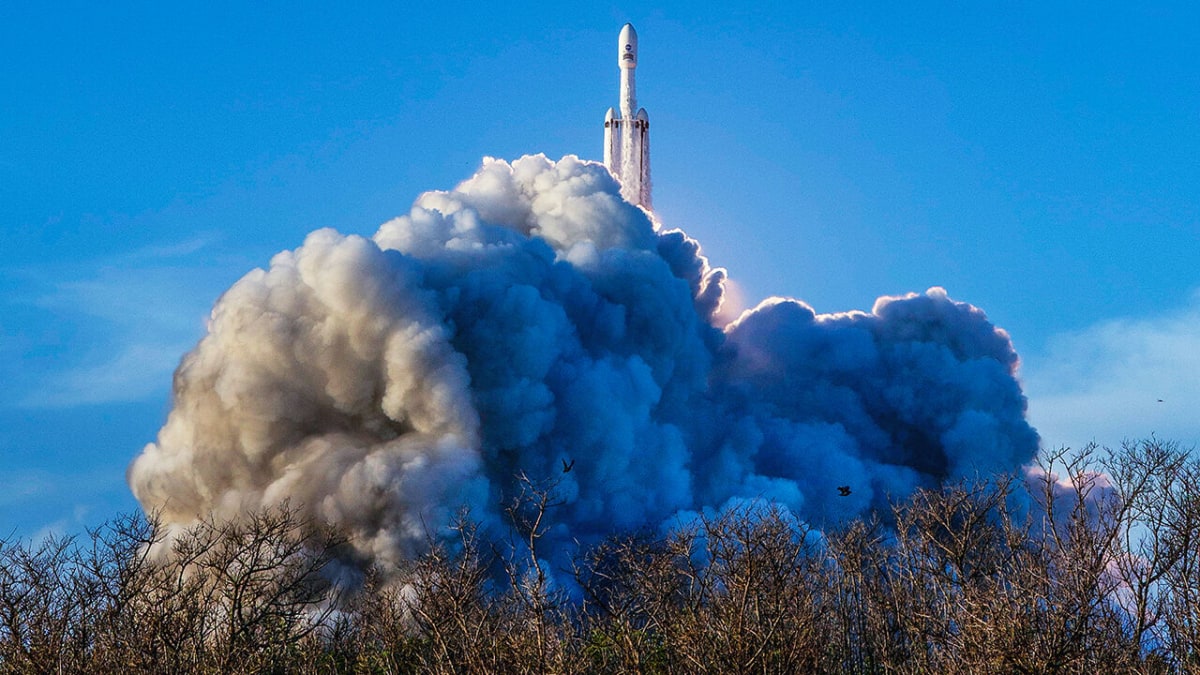
Launch preparations are entering their final stages aboard a Long March 5B rocket. The collaborative research team that built the simulation suite represents scientists from multiple Chinese institutions working together to ensure mission success.
A new generation of space telescopes is revealing the universe in ways previous generations could only dream about, and Xuntian will join that noble mission soon.
More Images


Based on reporting by Google News - Science
This story was written by BrightWire based on verified news reports.
Spread the positivity!
Share this good news with someone who needs it