China's Solar Capacity Overtakes Coal for First Time
China just hit a historic energy milestone: the world's largest polluter now has more solar power capacity than coal. While coal still generates more electricity today, this marks a turning point that could reshape global climate efforts.
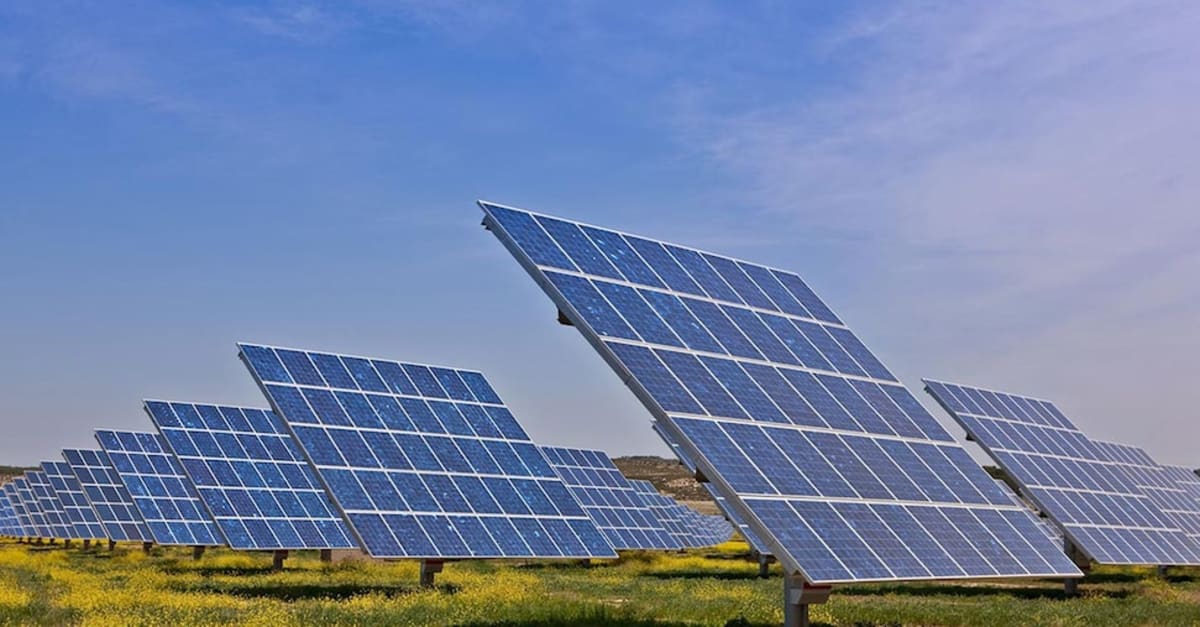
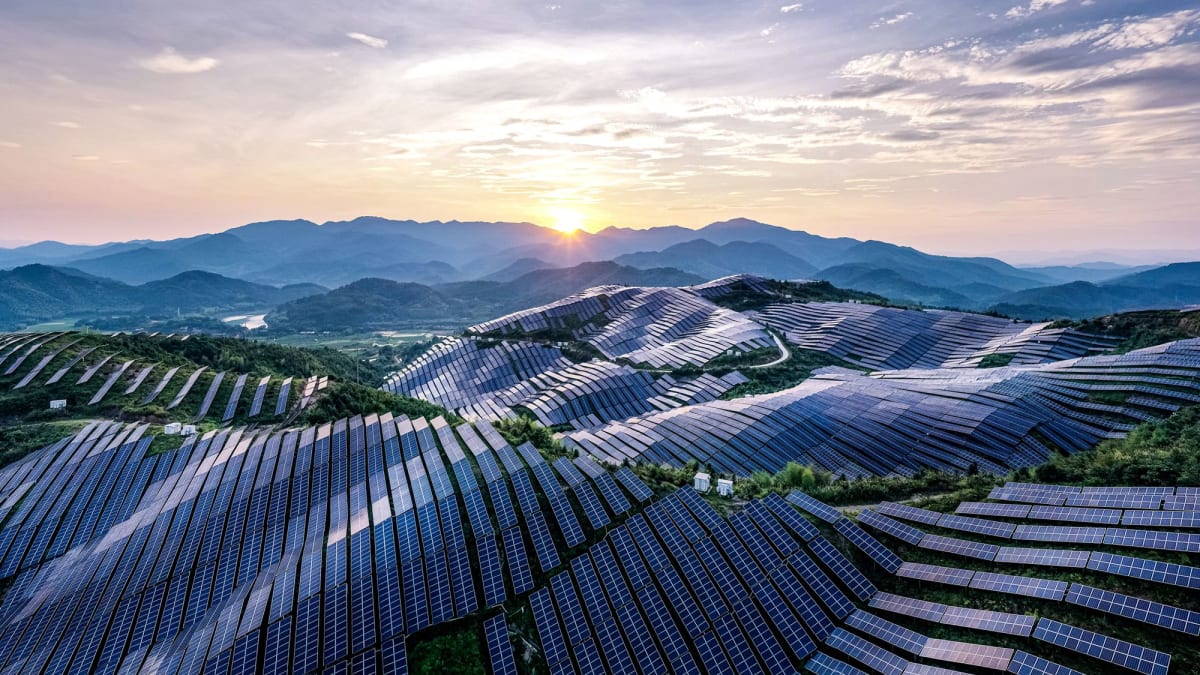
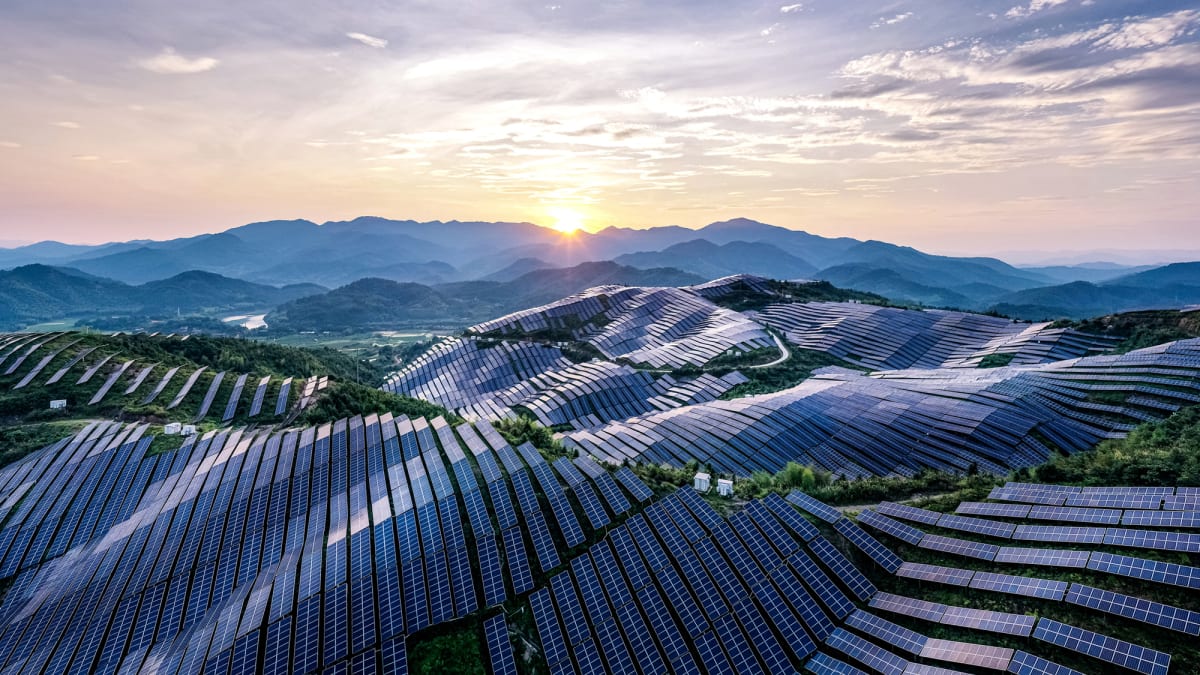
China just crossed a threshold that seemed impossible a decade ago: its solar power capacity has officially surpassed coal for the first time ever.
The country installed about 1,288 gigawatts of solar capacity by the end of July, edging past its 1,285 gigawatts of coal-fired capacity. For context, China accounts for roughly 30% of all global greenhouse gas emissions, making this shift significant far beyond its borders.
"This is a major milestone," says Matthew Davies, a sustainable energy professor at Swansea University in the U.K. The sheer scale of China's solar buildout could accelerate the global transition to clean energy.
But there's an important catch. Having more solar panels doesn't mean they're generating more electricity than coal yet. Solar panels only work when the sun shines, while coal plants run around the clock.
Between January and July this year, solar accounted for about 13% of China's total electricity consumption. Coal still dominates actual power generation, even though the physical capacity to generate solar power is now larger.
Think of it like this: China has built a bigger solar engine than its coal engine, but the coal engine still runs longer hours and delivers more total power to homes and businesses.
The Ripple Effect
The real impact goes beyond China's power grid. The country's massive investment in solar manufacturing is driving down costs worldwide, making clean energy more affordable for every nation.
China's solar boom could help bring electricity to communities that still lack reliable power. As production scales up and prices drop, solar becomes accessible to regions that couldn't afford it before.
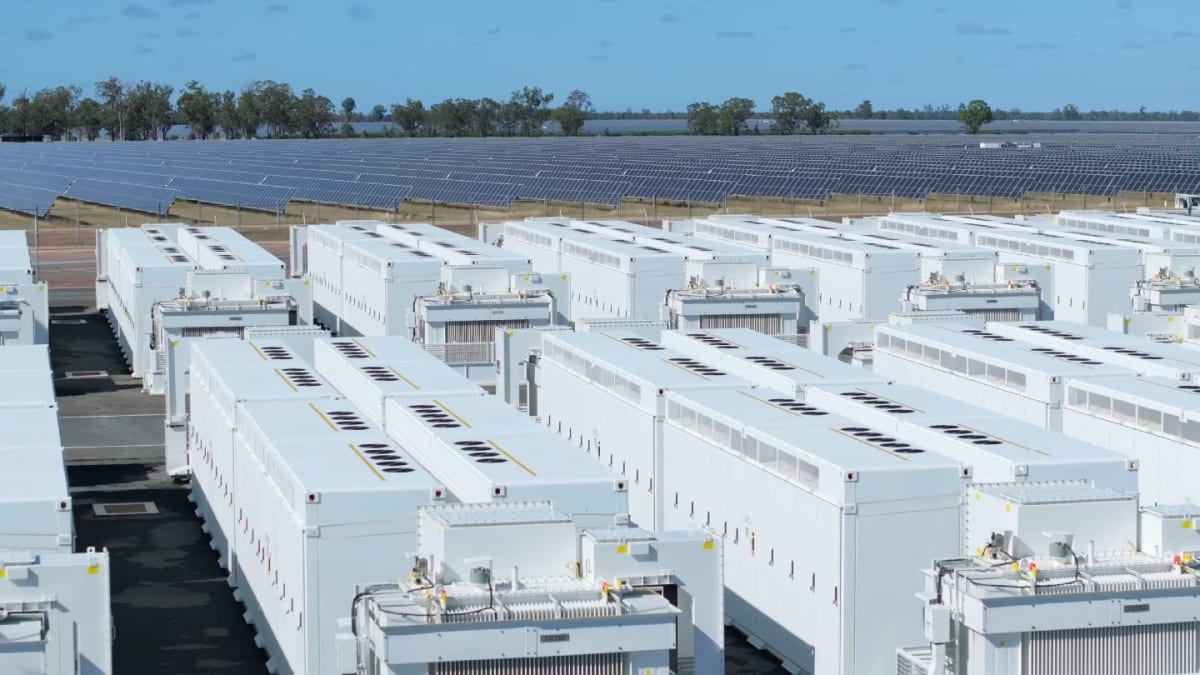
The next challenge is building the infrastructure to match all those panels. China needs better power grids, storage systems, and transmission lines to actually use all that solar electricity effectively.
Davies points out another crucial factor: making sure solar production itself becomes sustainable. "We need to think about where technologies are made, where materials come from, how long they last, and how they are reused or recycled," he says.
The country's solar panel factories currently rely heavily on coal-fired power, creating an initial carbon footprint. But each panel offsets that impact over its lifetime by generating clean electricity for decades.
The big question now is whether China's renewable growth can outpace rising electricity demand and actually start replacing coal, not just adding to the energy mix. If sustained reductions in coal use take hold, the impact on global carbon emissions could be massive.
This isn't the finish line, but it's proof that the world's biggest climate puzzle has a solution taking shape.
More Images

Based on reporting by Google News - Clean Energy
This story was written by BrightWire based on verified news reports.
Spread the positivity!
Share this good news with someone who needs it