Solar Power Hits 3 Terawatts, Prices Drop 95% Since 2007
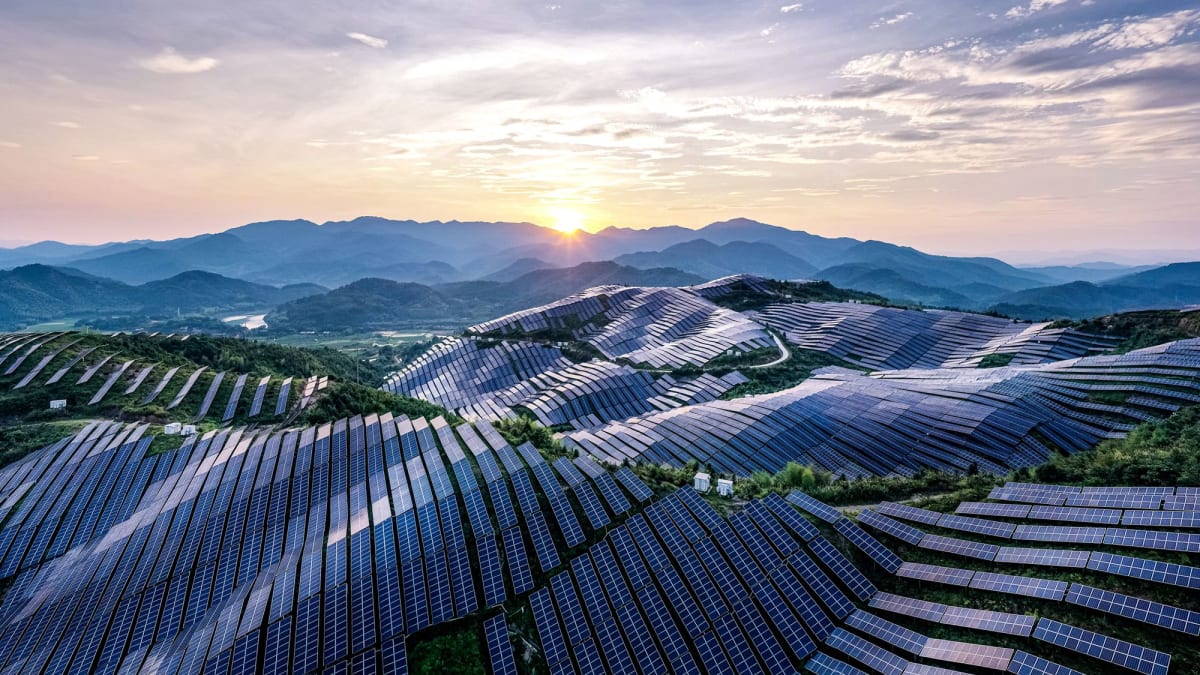
The world just installed its third terawatt of solar power in under two years, a milestone that makes it the cheapest energy source in history. Thanks to relentless innovation and plummeting costs, solar is on track to generate more electricity than coal by 2032.
Solar energy just crossed a threshold most people missed, but it might be the biggest energy story of our time.
Last month, the world hit three terawatts of installed solar capacity. That's enough to power the entire United States at peak consumption, and we got there in less than two years after hitting the second terawatt mark.
The numbers tell an astonishing story. It took a decade to go from 100 gigawatts in 2012 to one terawatt in 2022. The second terawatt arrived in just three years. The third? Less than two.
This isn't happening because of environmental mandates or government pressure. It's happening because solar became the cheapest way to make electricity, period.
Solar panel prices have dropped 95 percent since 2007. Battery storage costs have plummeted 93 percent since 2010. The International Energy Agency called solar "the cheapest source of electricity in history" back in 2020, and it's gotten even cheaper since then.
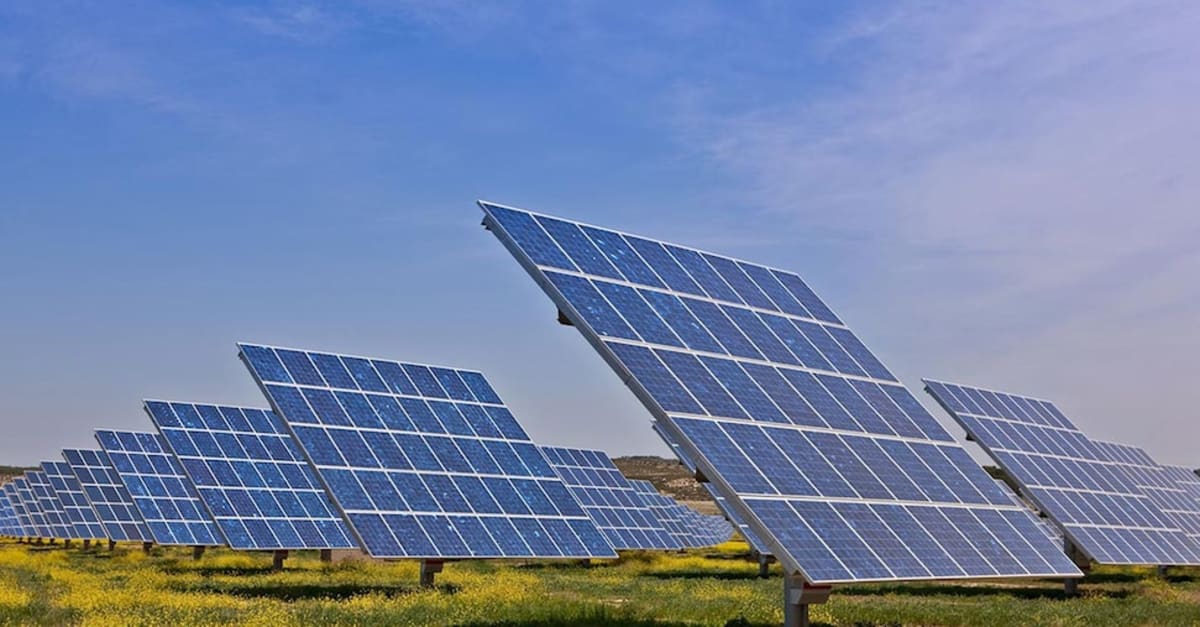
The technology keeps getting better too. A decade ago, solar panels converted about 17 to 18 percent of sunlight into electricity. Today's commercial panels hit 23 to 24 percent, with new designs reaching 26 to 27 percent efficiency.
Researchers are stacking different materials like perovskite and silicon to capture more of the light spectrum. A team at the University of Sydney just achieved 27 percent efficiency with a triple layer cell. Engineers are creating flexible panels that can coat skyscraper windows and floating systems for reservoirs.
In 2025 alone, solar generated 2,780 terawatt hours of electricity. That's equivalent to burning 540 billion cubic meters of gas, or five years of LNG shipments through the Strait of Hormuz.
China's surplus production is driving prices even lower, especially in Africa where new solar installations are transforming energy access. Once panels are installed, the daily energy supply is essentially free, and some homes even sell excess power back to the grid.
The Ripple Effect
This explosive growth is creating opportunities that seemed impossible just years ago. Communities that never had reliable electricity are leapfrogging straight to clean energy. Homeowners are cutting their energy bills while protecting themselves from price spikes caused by global conflicts.
Solar Power Europe predicts capacity will double to six terawatts by 2030. Bloomberg New Energy Finance estimates solar will overtake coal globally by 2032, ending coal's 150 year reign as the world's dominant electricity source.
The momentum comes from a virtuous cycle: as more panels get installed, economies of scale kick in, prices drop further, and more people adopt solar. Twenty straight years of double digit growth have turned what seemed like a niche technology into an unstoppable force reshaping how humanity powers itself.
The sun has always been there, free and abundant. Now we've finally figured out how to harness it affordably, and the transformation is just beginning.
More Images

Based on reporting by Google News - Solar Power Record
This story was written by BrightWire based on verified news reports.
Spread the positivity!
Share this good news with someone who needs it