Ethiopia Powers East Africa With Clean Energy Boom
Ethiopia has transformed into East Africa's renewable energy powerhouse, now exporting clean electricity to three neighboring countries while more than doubling its capacity. The nation's green energy revolution is creating jobs, stabilizing regional power grids, and proving developing countries can leapfrog fossil fuels.
For the first time in history, a developing African nation is exporting massive amounts of clean energy to its neighbors, rewriting what's possible for climate action and economic growth.
Ethiopia has more than doubled its electricity capacity through renewable energy projects, with the Grand Ethiopian Renaissance Dam alone now generating 5,150 megawatts of clean power. The country actively supplies electricity to Kenya, Sudan, and Djibouti through cross-border transmission lines, helping these nations cut reliance on expensive fossil fuel plants.
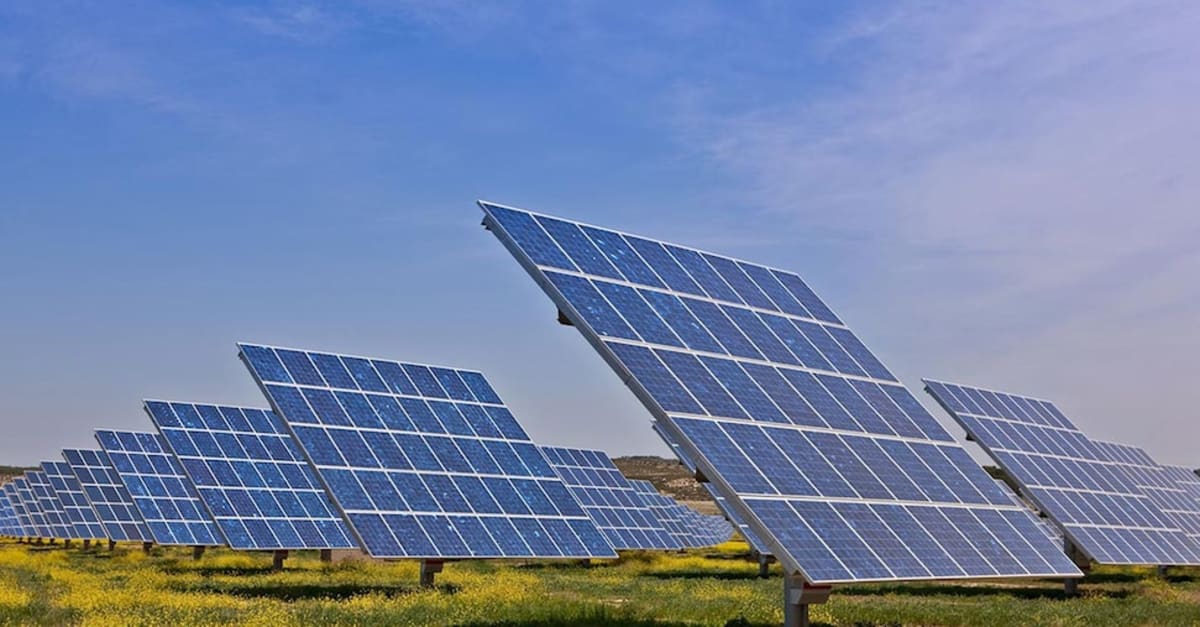
The energy mix tells the story of smart diversification. Wind farms across Ashegoda, Adama, Ayisha, and Assela produce 504 megawatts, while new geothermal stations are under construction. Solar mini-grids are bringing power to remote villages, lighting up health clinics, schools, and small businesses that never had reliable electricity before.
This isn't just about environmental wins. The reliable power supply is creating real economic opportunities for everyday people. Manufacturing plants can operate consistently, small enterprises can expand, and students can study after dark in villages that spent generations without electricity.
For neighboring countries, the benefits extend beyond cheaper power bills. When Kenya imports Ethiopian hydropower, it stabilizes the national grid and helps the country meet climate commitments without building new coal plants. Sudan and Djibouti are experiencing similar advantages.
The Ripple Effect
Energy interdependence is changing how East African nations work together. When countries share critical power infrastructure, they create practical reasons to maintain stable relationships and cooperate on regional challenges. Trade agreements become easier when nations already depend on each other for essential services.
Ethiopia's approach offers a roadmap for other developing nations watching from the sidelines. By opening power generation to private developers and modernizing regulations, the country attracted international investment while maintaining control of its energy future. The model shows how emerging economies can build modern infrastructure without repeating the carbon-heavy mistakes of industrialized nations.
The vision extends even further. Strategic planning includes connecting power grids across North Africa, with potential links reaching European markets within the next decade. Continued expansion into geothermal, wind, and solar will sustain this momentum while creating thousands of additional jobs.
Remote villages gaining electricity access for the first time are seeing immediate improvements in quality of life. Health posts can refrigerate vaccines, farmers can process crops efficiently, and children can complete homework after sunset. These small changes accumulate into transformative community impacts.
Ethiopia is proving that developing nations don't have to choose between economic growth and environmental responsibility.
More Images

Based on reporting by Google News - Clean Energy
This story was written by BrightWire based on verified news reports.
Spread the positivity!
Share this good news with someone who needs it