Chinese City Turns Heating Pipes Into Battery for Clean Energy
Researchers in China have figured out how to store renewable energy using the same pipes that heat homes in winter. The breakthrough could help cities worldwide solve one of clean energy's biggest challenges.
Cities across the world are about to get a lot better at storing the clean energy they generate, thanks to a surprisingly simple idea from researchers in China.
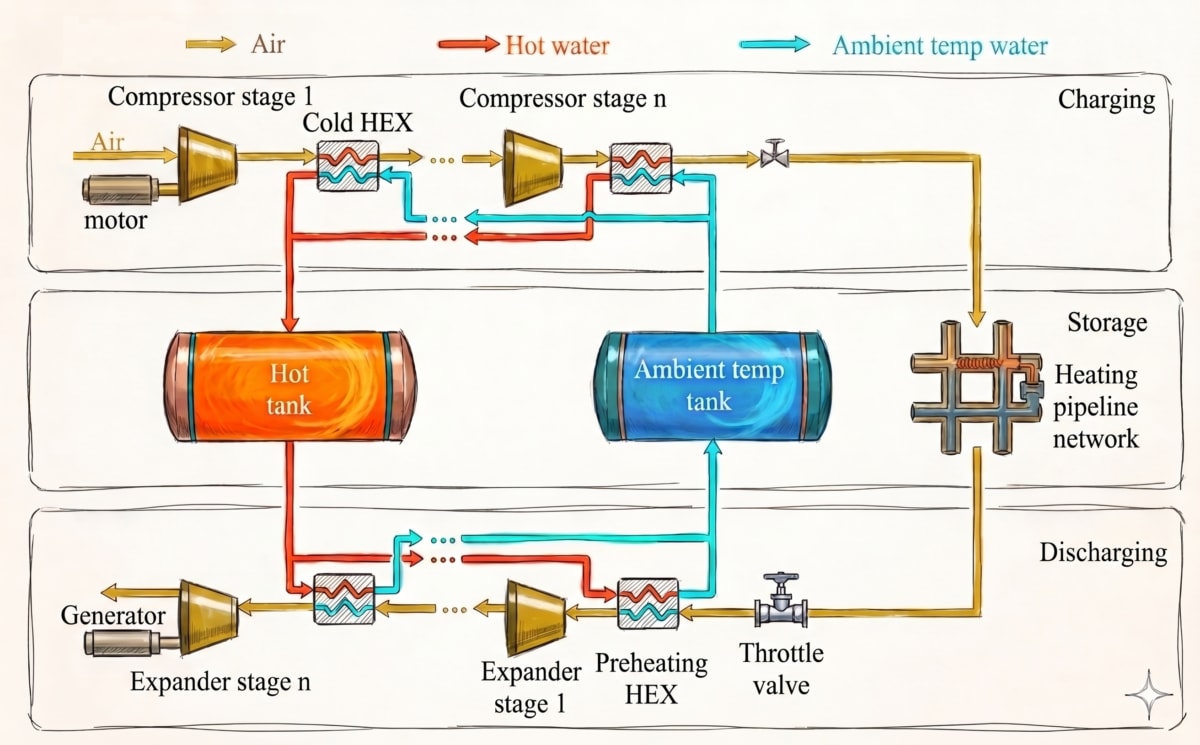
Scientists have designed a system that turns ordinary urban heating pipes into massive batteries for renewable energy. When solar panels and wind turbines produce more electricity than a city needs, the system compresses air and stores it right inside the pipes that normally carry hot water to buildings during winter.
The concept solves a problem that has frustrated clean energy advocates for years. Renewable power doesn't always arrive when people need it most. Wind turbines spin hardest at night when demand is low. Solar panels produce nothing after sunset when families turn on lights and cook dinner.
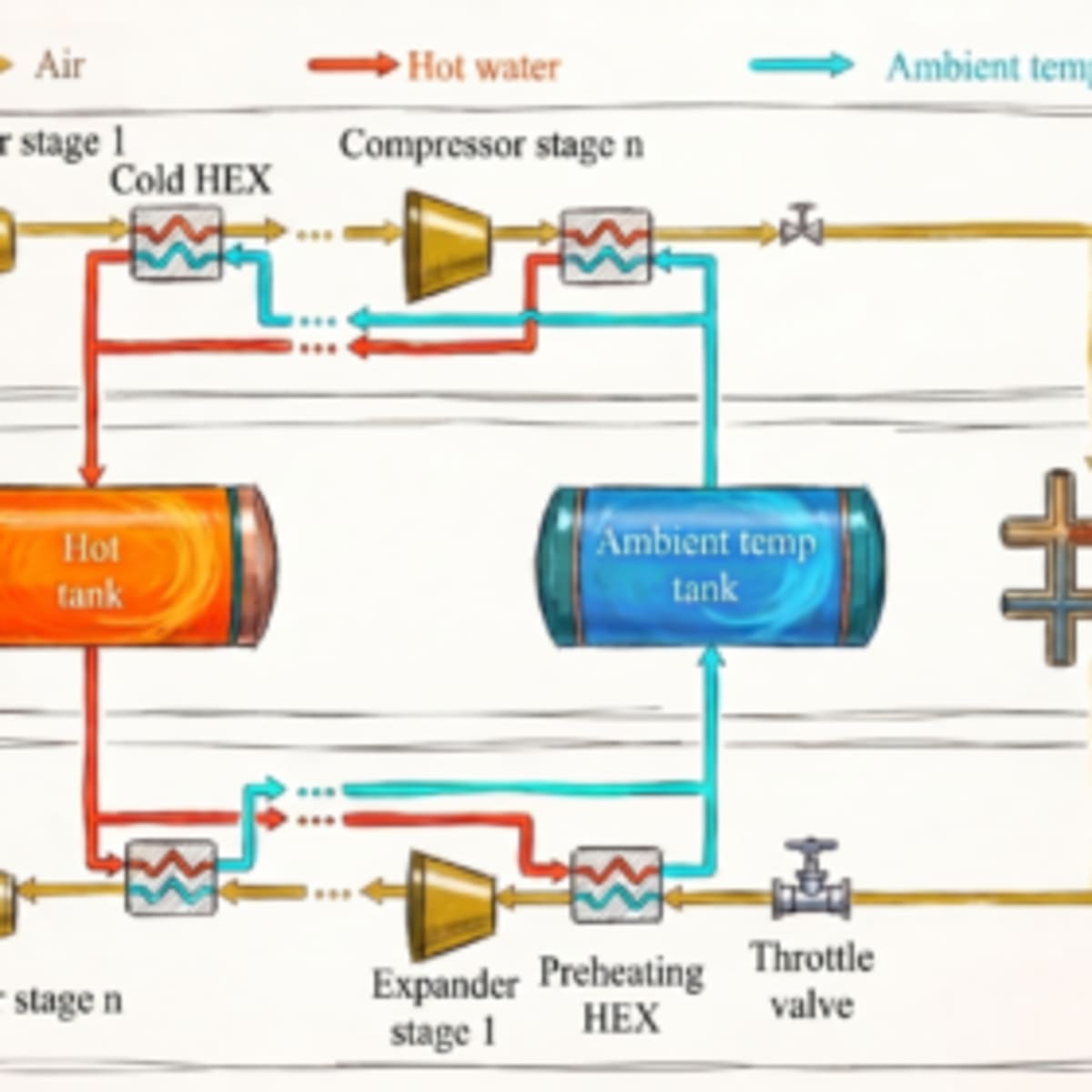
The new system works like this: During low demand periods, surplus electricity powers compressors that squeeze air into heating pipelines. The heat created during compression gets captured in water tanks instead of wasted. When the grid needs power again, the compressed air rushes through turbines to generate electricity, warmed by that stored heat.
Researchers tested their design using the heating network in Zhumadian City in Henan province. The results were impressive. The heating pipe system stored 35% more energy per cubic meter than conventional metal tanks. It cost only 57% as much to build and paid for itself in less than half the time.
The beauty of the approach is that cities don't need to build new infrastructure. The pipes already exist underground in thousands of cities worldwide that use district heating. During summer months when heating systems sit idle, they become energy storage devices.
The Ripple Effect
This innovation arrives at exactly the right moment. Countries are racing to add more renewable energy to their grids, but storage limitations have slowed progress. Batteries work well for short periods but remain expensive for the massive amounts cities need.
The Chinese system offers something different: affordable, large-scale storage using infrastructure cities have already paid for. One megawatt of storage capacity requires only 2.9 square kilometers of heating district, making it practical even in densely populated areas.
The research team found the system works best with moderate pressure settings, achieving payback in just under 10 years. Unlike massive battery installations or pumped hydroelectric dams, this technology fits seamlessly into existing urban landscapes without displacing communities or flooding valleys.
Other cities with district heating networks are already watching closely. The approach could transform heating systems across Europe, Asia, and parts of North America into dual-purpose infrastructure that warms homes in winter and stores clean energy year-round.
The compressed air stays safe inside pipes designed to handle high pressure steam, and the original heating function continues unchanged. Cities get energy storage without sacrificing reliable winter warmth.
Clean energy just got a lot more practical for millions of people living in cities with heating pipes running beneath their streets.
More Images

Based on reporting by PV Magazine
This story was written by BrightWire based on verified news reports.
Spread the positivity!
Share this good news with someone who needs it