Chinese Scientists Hit 27% Efficiency in Solar Cell Breakthrough
Researchers in China just set a new world record for solar panel efficiency, achieving 27% power conversion in a breakthrough that could make renewable energy cheaper and more accessible. The innovation also makes the cells more durable, lasting over 2,000 hours in extreme heat.
Solar panels just got a major upgrade that could accelerate the world's transition to clean energy.
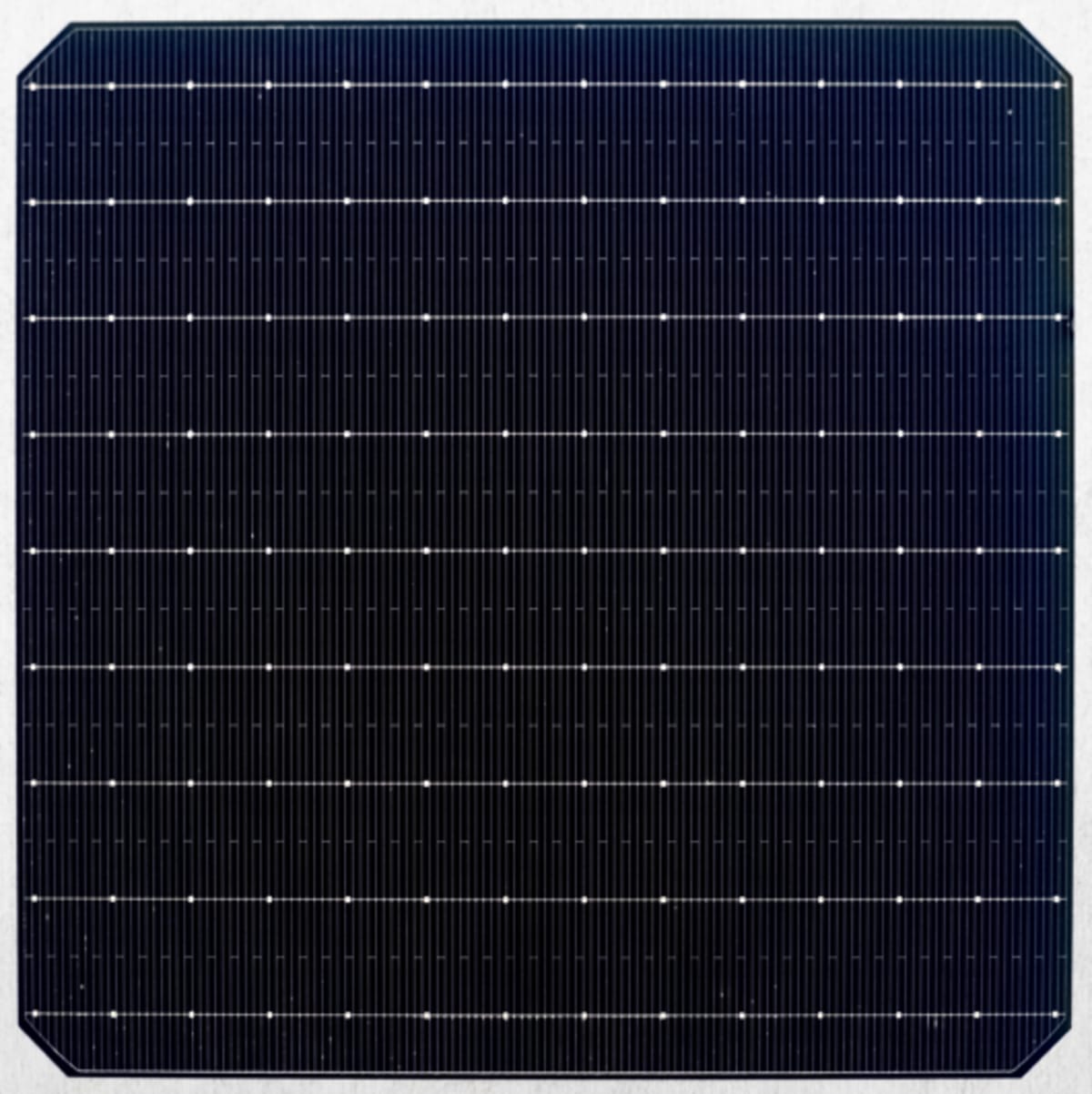
A team from Shanghai Jiao Tong University achieved a certified 27.03% efficiency rate in perovskite solar cells, the highest ever recorded for this type of architecture. For context, most commercial solar panels today operate between 15% and 22% efficiency.
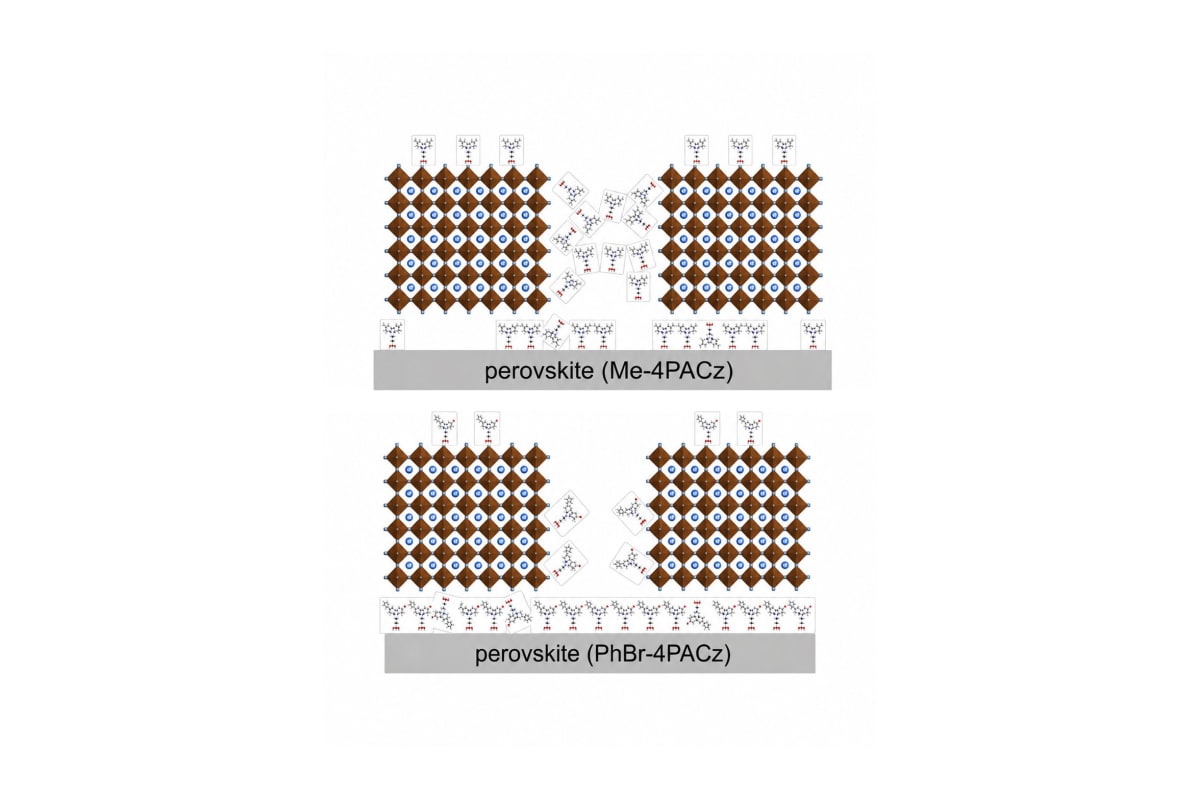
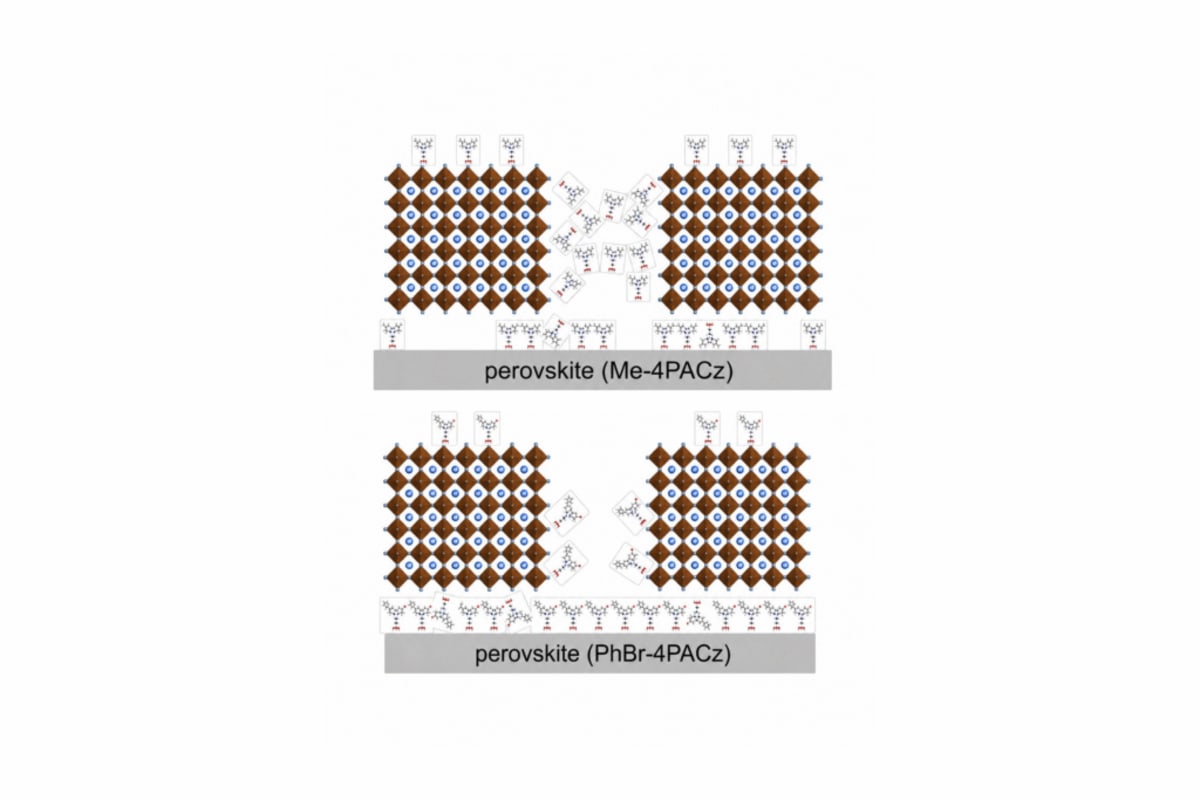
The breakthrough centers on solving a stubborn problem with perovskite cells, a promising but temperamental solar technology. When manufacturers tried mixing key molecules directly into the solar material, those molecules would clump together like oil in water, creating weak spots that reduced performance.
Lead researcher Chun-Chao Chen and his team designed a new molecule called PhBr-4PACz that resists clumping. Think of it like adding an emulsifier to salad dressing so the oil spreads evenly instead of separating.
The team also tackled durability, a major hurdle for perovskite cells. They added a compound that acts like glue between the cell's grains, preventing the molecules from migrating over time when exposed to heat.
The results speak volumes. Unencapsulated devices retained over 90% efficiency after 2,000 hours at 85 degrees Celsius, temperatures that would quickly degrade conventional designs. Under normal operating conditions at 65 degrees, the cells kept 96.6% of their efficiency.
The researchers proved their method works beyond the lab too. They created flexible solar cells on plastic substrates that reached 25% efficiency, opening doors for solar panels that could bend around curved surfaces like car roofs or backpacks.
They even built a mini solar module measuring nearly 9 square centimeters with 23.68% efficiency, demonstrating the technology can scale up from tiny lab samples to practical sizes.
The Ripple Effect
This advancement matters because perovskite solar cells are cheaper to manufacture than traditional silicon panels. They can be printed using methods similar to newspaper printing, requiring less energy and fewer raw materials.
If this efficiency breakthrough translates to commercial production, it could dramatically lower the cost per watt of solar energy. That means solar power becomes viable in more places, for more people, accelerating the replacement of fossil fuels.
The team is already working with industrial coating techniques like slot-die and blade coating to scale production. They're also refining their formulas to push efficiency even higher by reducing energy losses.
Clean energy just got more efficient, more durable, and closer to transforming how we power our world.
More Images


Based on reporting by PV Magazine
This story was written by BrightWire based on verified news reports.
Spread the positivity!
Share this good news with someone who needs it