Chinese Tech Powers Kenya's M-Pesa to 60M Users
Kenya's mobile money platform M-Pesa now serves 60 million people monthly, powered by Chinese technology and affordable smartphones that put digital banking in everyone's hands. From Huawei's infrastructure upgrades to $30 phones flooding Nairobi, China's partnership turned a simple money transfer app into a global financial game-changer.
A Nairobi graphic designer pulls out her $93 Oppo phone to receive payment for a freelance project, the money landing instantly in her M-Pesa wallet. Across Kenya, millions repeat this simple act daily, thanks to an unexpected partnership bridging African innovation and Chinese technology.
M-Pesa launched in 2007 as a basic mobile money platform created by Safaricom and Vodafone. Today, it serves over 60 million people across Africa and beyond, handling everything from bill payments to international transfers.
Behind this explosive growth stands a crucial ally. Chinese tech giant Huawei partnered with Safaricom to supercharge M-Pesa's infrastructure, enabling the system to process massive transaction volumes without breaking a sweat.
The breakthrough came in 2015 when Huawei helped move M-Pesa's servers from Germany to Kenya. "The challenge with having servers in a different jurisdiction is that it takes longer to deal with issues like downtime," explained Bernard Mwaso, a Nairobi IT consultant.
The migration stabilized the platform immediately. M-Pesa exploded into banking services, real-time payments, and global transfers, reaching customers who never had access to traditional banks.
But infrastructure tells only half the story. Walk through any Nairobi market and Chinese smartphones dominate the landscape.
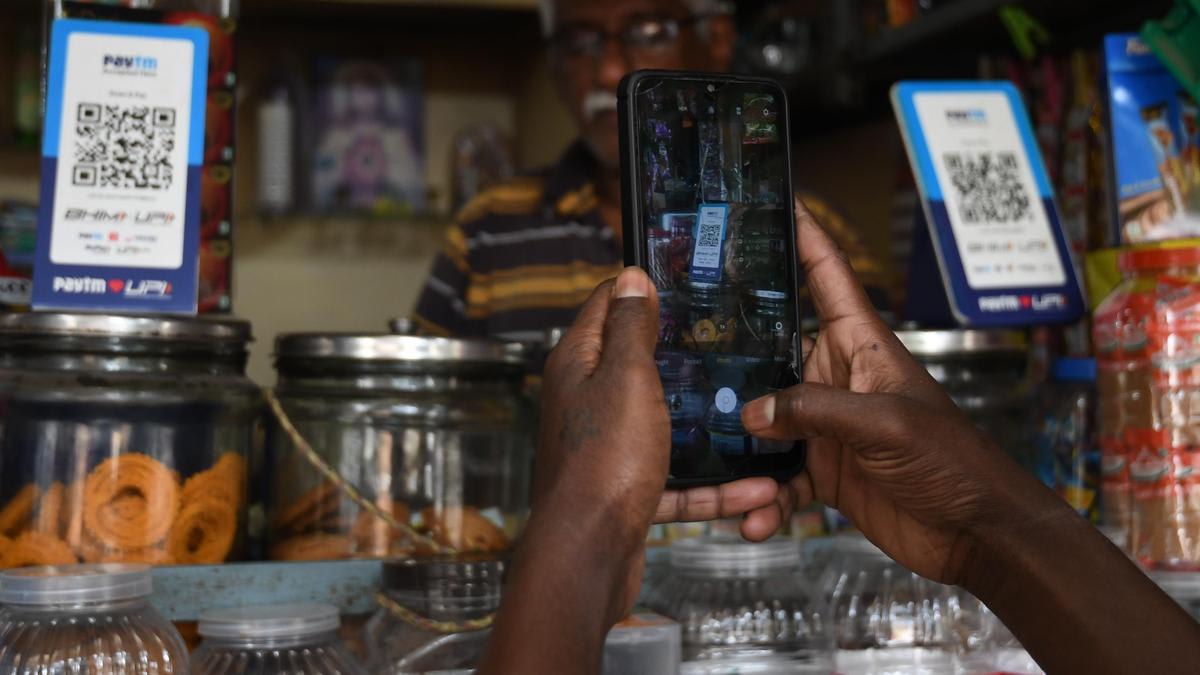
Brands like Infinix, Tecno, Itel, and Xiaomi sell for as low as $31. These budget devices pack enough power for online shopping, banking apps, and mobile loans, putting sophisticated financial tools in the hands of everyday Kenyans.
"I use it for online shopping, doing online freelance jobs, and taking loans from mobile apps," said Beatrice Ngwiri, who runs her graphic design business entirely from her Chinese smartphone. "The money comes directly into my M-Pesa wallet."
The Ripple Effect
This partnership sparked changes far beyond Kenya's borders. M-Pesa now integrates with Alipay and WeChat Pay, connecting African entrepreneurs directly to Chinese e-commerce platforms without needing credit cards or complex banking.
Kenyan freelancers work for companies worldwide and receive payments seamlessly. Small businesses order inventory from global suppliers with a few taps on their phones.
"Kenyan consumers and businesses can participate in global e-commerce without needing credit cards or complex banking arrangements," Mwaso noted. The partnerships ensure transactions stay secure and regulated.
Italian researcher Andrea Pollio documented this transformation in his book about Nairobi's tech scene. He found that affordable Chinese devices proved critical for expanding digital lending, mobile payment systems, and gig economy platforms across East Africa.
The numbers speak for themselves. What started as a simple way to send money home has grown into a comprehensive financial ecosystem serving 60 million monthly users, powered by technology partnerships that bridge continents and transform lives one transaction at a time.
More Images



Based on reporting by Google News - Kenya Success Story
This story was written by BrightWire based on verified news reports.
Spread the positivity!
Share this good news with someone who needs it