City Animals Evolving Super Fast to Survive Humans
Wildlife is adapting to urban life at lightning speed, with lizards growing longer limbs and foxes thriving in cities in just a few generations. Scientists call it "contemporary evolution," and it's proof nature can bounce back when given the chance.
Animals are evolving faster than ever before, and humans are the reason why. In cities across the world, wildlife is changing in remarkable ways to survive alongside us.
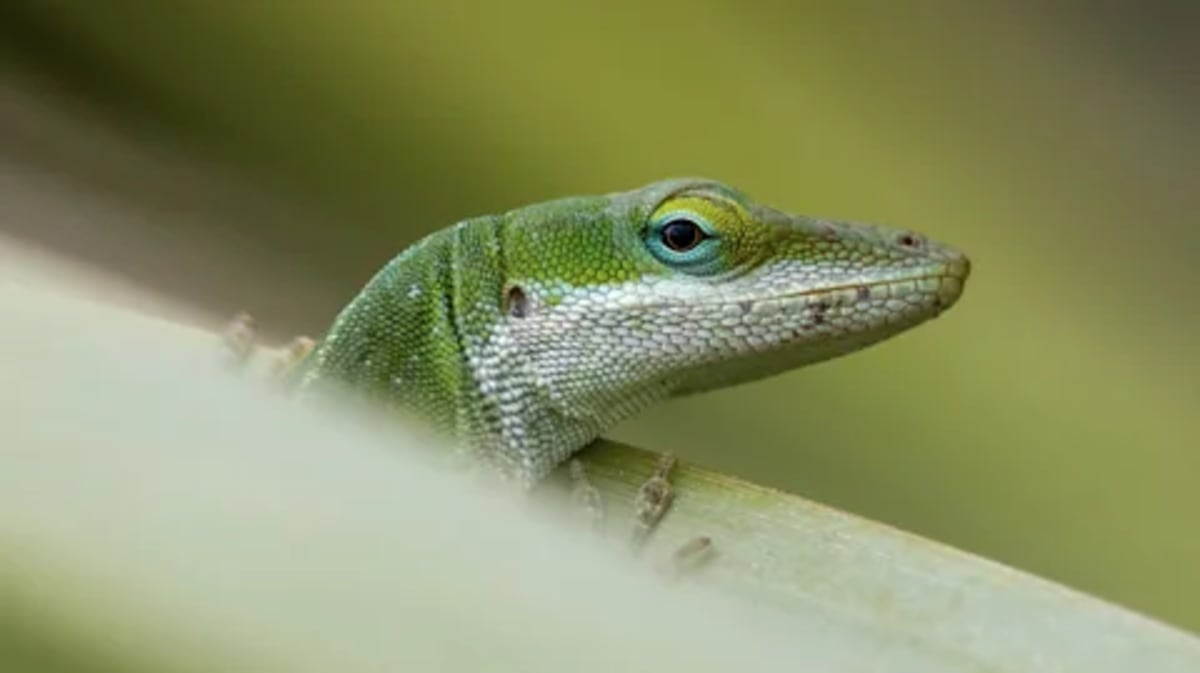
Puerto Rican lizards living in urban areas have developed longer limbs and more toe scales in just a few years. These changes help them grip smooth surfaces like glass and metal as they navigate buildings and sprint across hot concrete.
Scientists call this rapid change "contemporary evolution." Andrew Sih, who studies animal behavior at University of California at Davis, says some animals are responding remarkably well to city life.
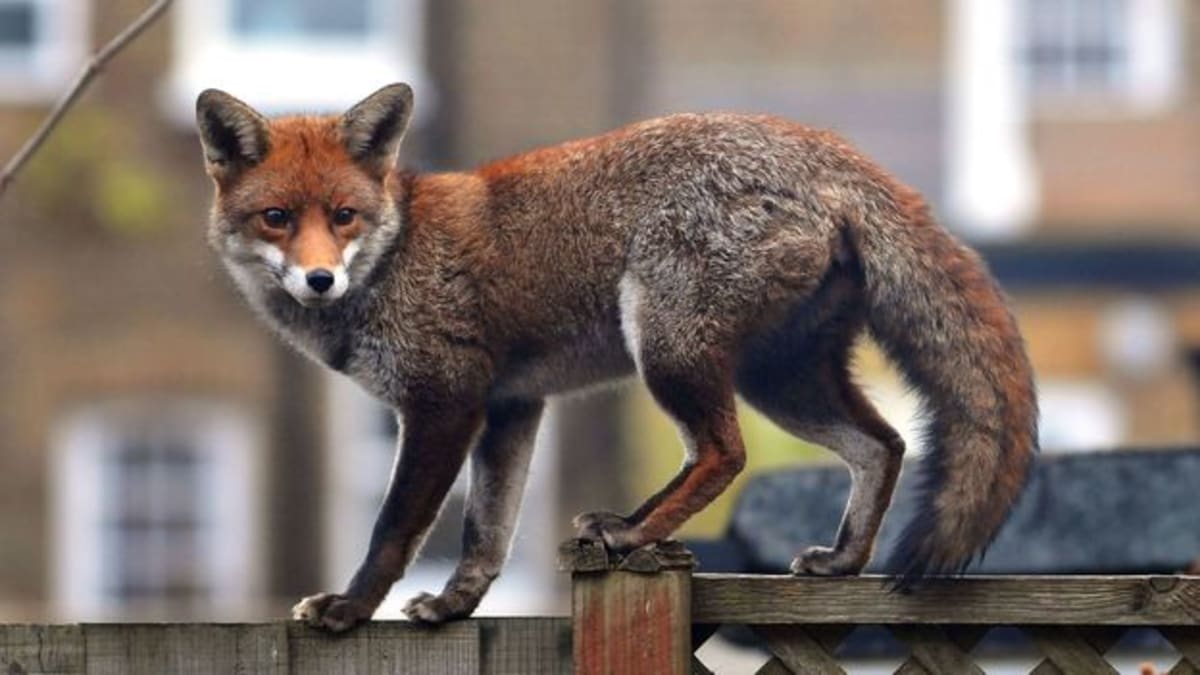
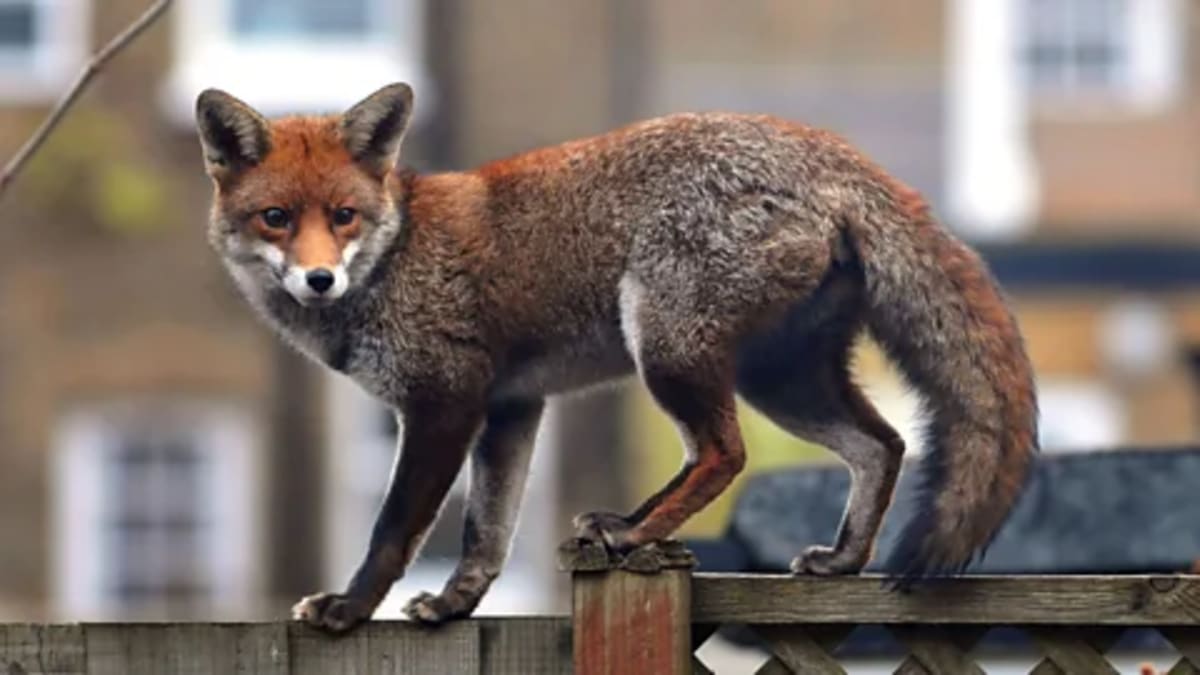
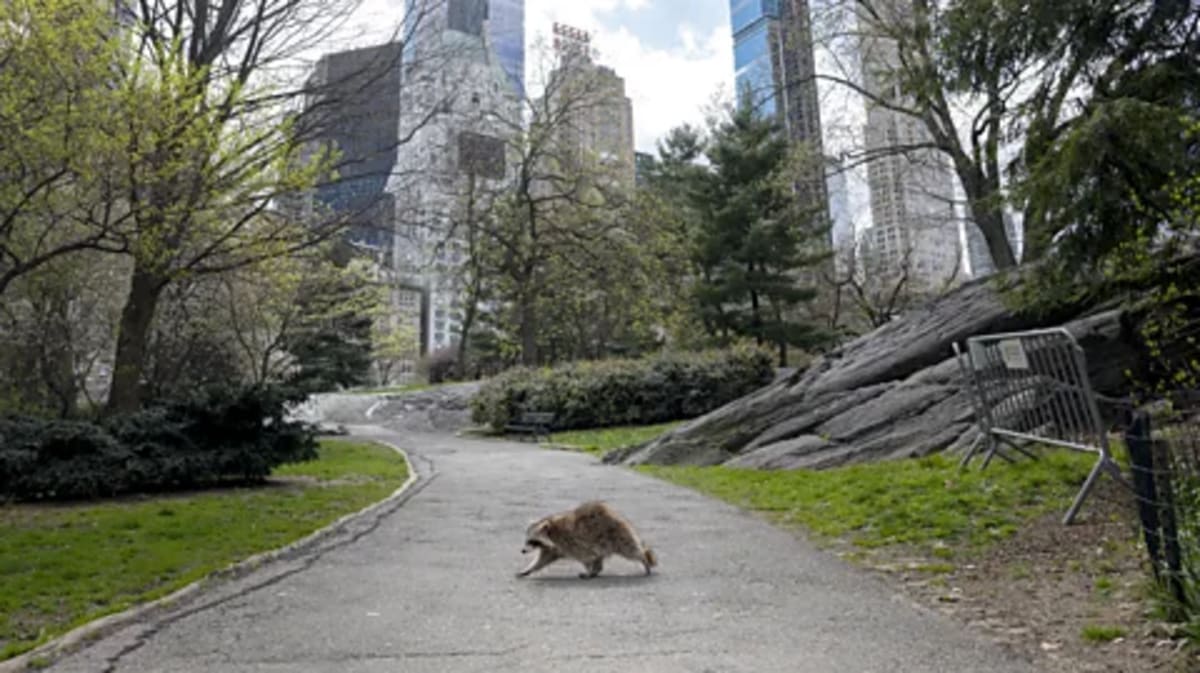
British red foxes now thrive in London's back gardens, with higher birth rates than their rural cousins thanks to abundant food sources. In the US, urban raccoons are developing shorter snouts and becoming less aggressive around humans, showing early signs of domestication.
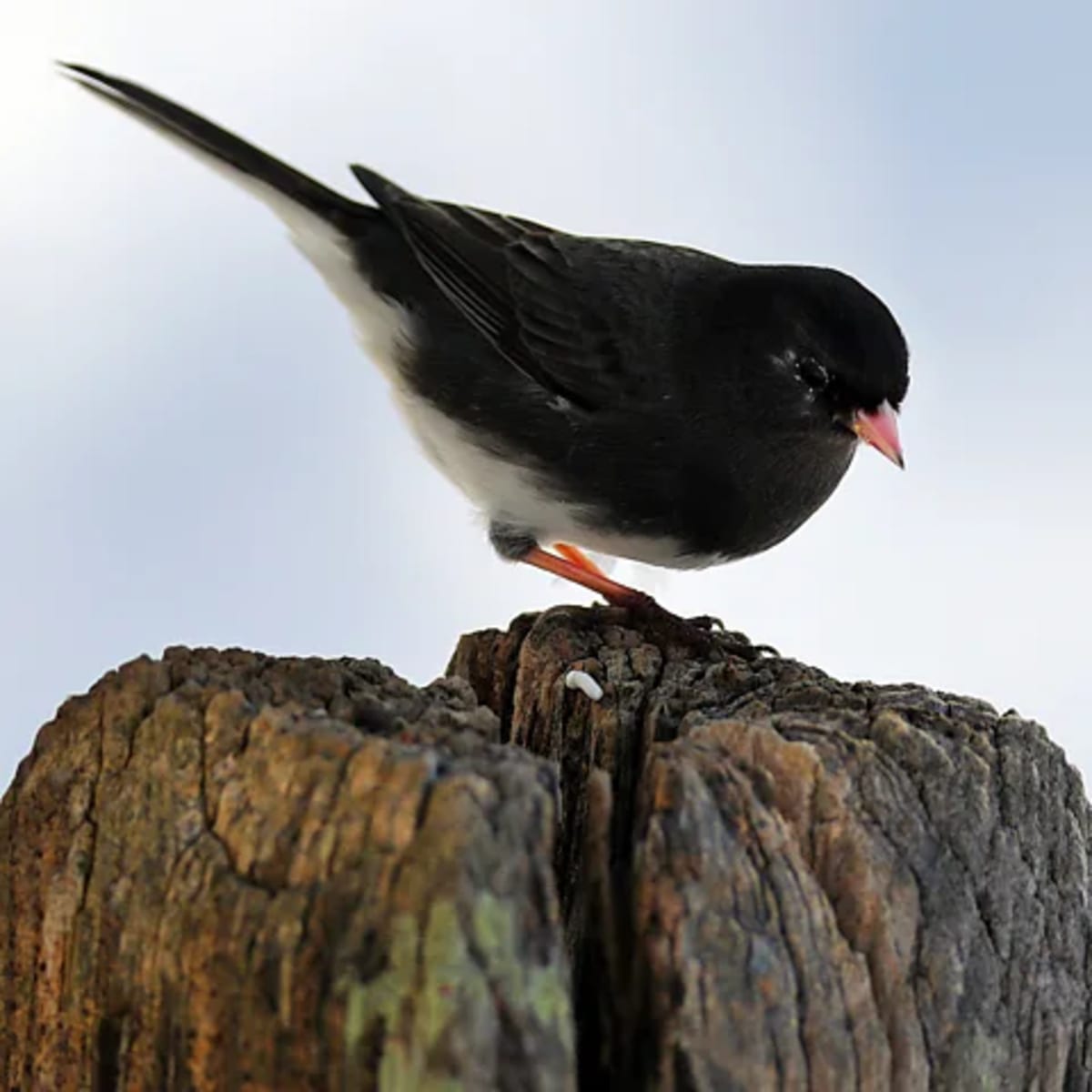
Even birds are adapting their songs to be heard above traffic noise. Dark-eyed juncos that settled on a California campus in the 1980s gave researchers a front-row seat to evolution in action.
The urban juncos became less aggressive, developed fewer aggressive display feathers, and started breeding earlier. They also reared twice as many young and completely changed their migration patterns within just a few decades.
In Denmark, urban hares are becoming more tolerant of human presence. Illinois armadillos have started hanging out near roads to use the heat from asphalt for warmth during harsh winters.
A 2025 study found that animals from urban areas showed significantly higher resilience to stressful conditions compared to animals from protected habitats. Cities are becoming a proving ground for nature's adaptability.
The Bright Side
While cities might seem hostile to wildlife at first glance, they're creating unexpected opportunities. Animals that can adapt behaviorally often get a foothold that eventually leads to deeper genetic changes.
The key is behavioral flexibility. Animals that can change how they act in response to new challenges survive long enough to pass those traits to future generations.
Some species are finding that cities offer more food and fewer predators than rural areas, leading to population booms. What looks like a concrete jungle to us is becoming home sweet home for adaptable wildlife.
These rapid changes show nature's resilience in the face of human expansion. While we've become one of the world's greatest evolutionary forces, we're also witnessing the incredible ability of life to find a way forward.
More Images
Based on reporting by BBC Future
This story was written by BrightWire based on verified news reports.
Spread the positivity!
Share this good news with someone who needs it