Webb Telescope Reveals Earth-Sized Mystery in Dying Star
NASA's James Webb Space Telescope captured stunning new details of strange cosmic knots that have puzzled scientists for decades. These Earth-sized objects swirl in a nearby nebula created by a dying star like our Sun.
Scientists just got their clearest view yet of one of space's most beautiful mysteries, and it's revealing secrets about what happens when stars like our Sun take their final bow.
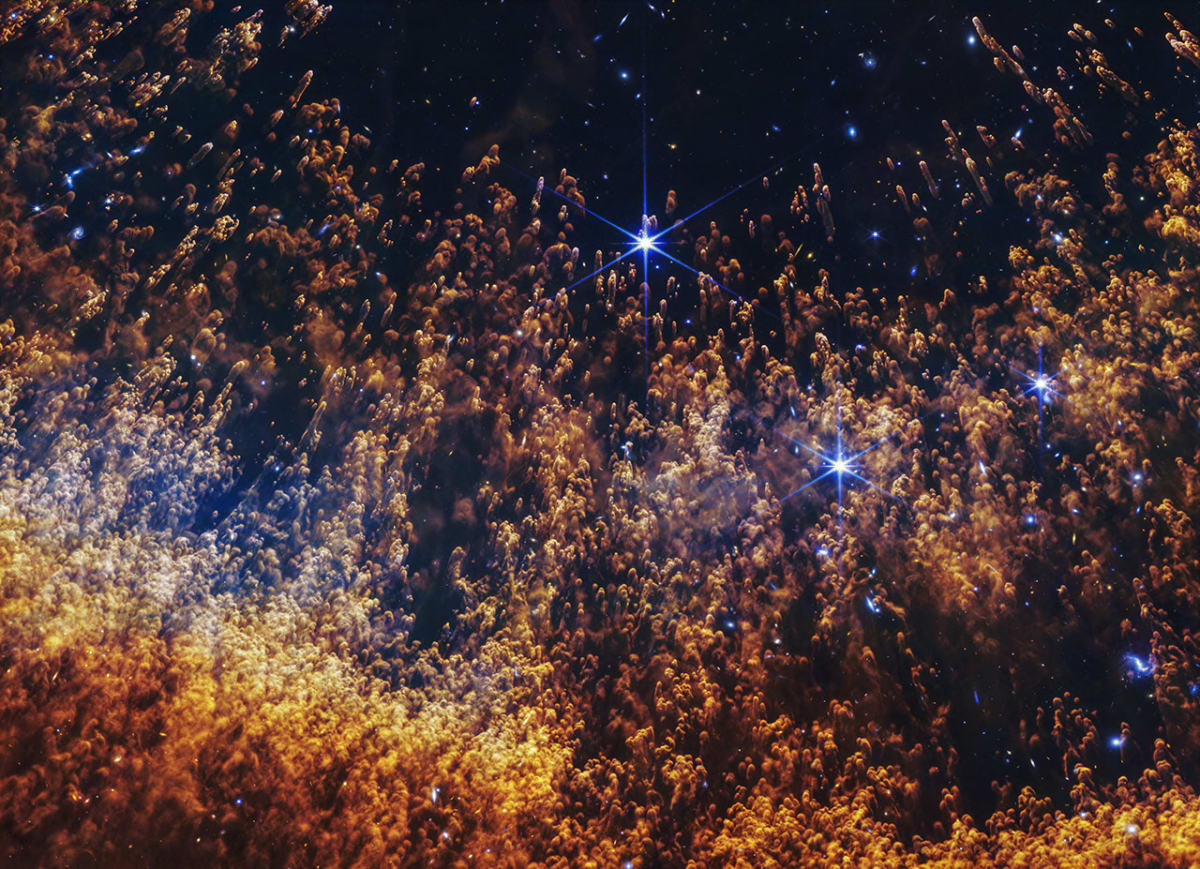
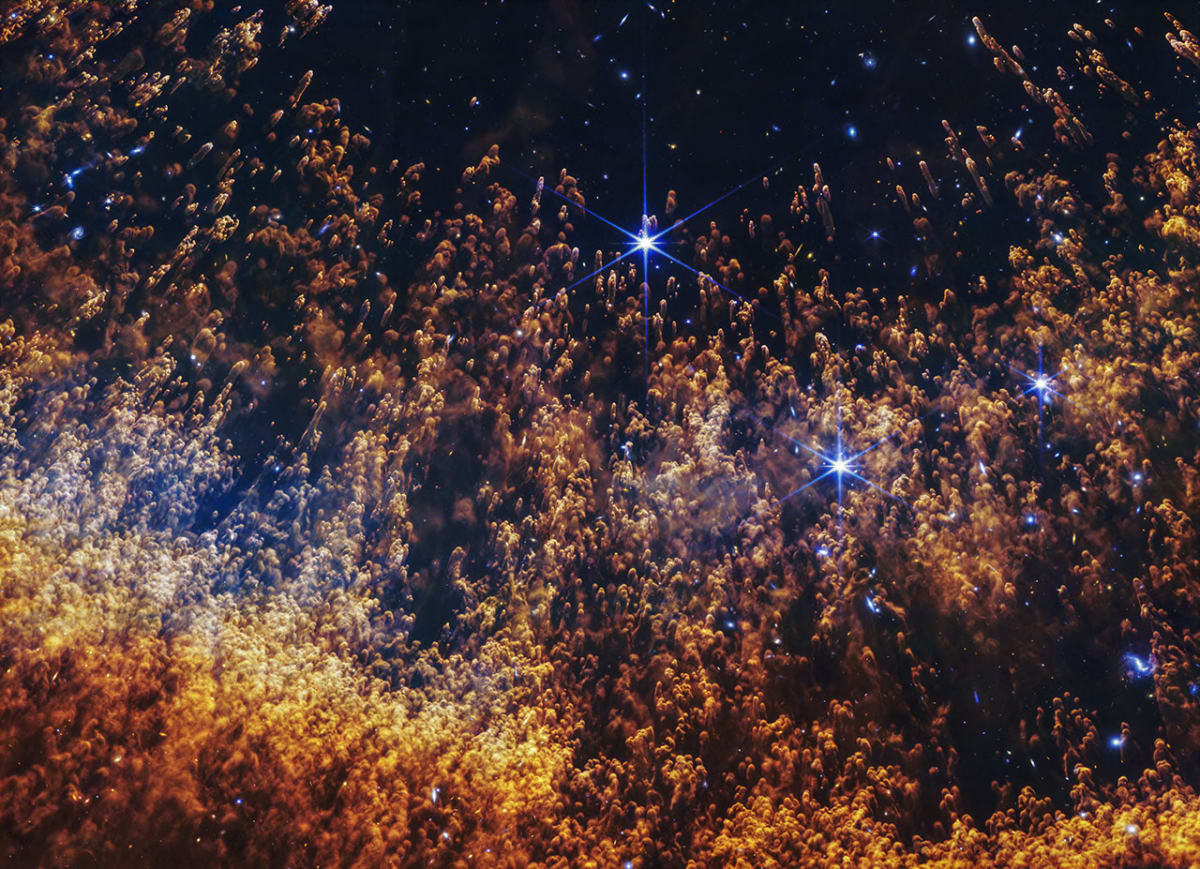
The James Webb Space Telescope captured breathtaking new images of the Helix Nebula, a colorful cloud of gas 650 light years away. Hidden in the infrared details are strange knots of gas and dust that shouldn't exist according to original predictions.
These "cometary knots" weigh about as much as Earth but stretch wider than Pluto's entire orbit around the Sun. Scientists first spotted them in several nebulas but couldn't explain how they formed or why they appear in these dying star remnants.
The new Webb images show unprecedented detail that could finally crack the case. Researchers think powerful stellar winds from the nebula's central star might be sculpting the knots, fragmenting and pushing existing gas into these bizarre shapes.
The Helix Nebula offers a glimpse into our own solar system's future. When the Sun exhausts its fuel in about five billion years, it will shed its outer layers and create a similar cosmic masterpiece.
Why This Inspires
This discovery reminds us that even our most advanced predictions about the universe can be beautifully wrong. The cometary knots exist despite scientists never expecting them, proving nature still has surprises waiting in places we thought we understood.
The Webb telescope launched just a few years ago and continues revealing details invisible to previous instruments. Each image teaches us something new about how stars live, die, and transform into the building blocks for future generations of cosmic wonders.
What makes this especially meaningful is the connection to home. The Helix Nebula shows what happens to Sun-like stars, the most common type capable of hosting planets like Earth.
Understanding these knots helps scientists piece together the full story of stellar evolution and the materials that eventually form new stars and planets. The atoms in our bodies came from ancient stars that died billions of years ago, scattering their enriched gas into space.
Future observations will track how the knots change over time and test theories about their formation. The answers could reshape our understanding of how dying stars contribute to the cosmic recycling program that makes new worlds possible.
The universe keeps showing us that the more we learn, the more wonder awaits.
More Images
Based on reporting by NASA
This story was written by BrightWire based on verified news reports.
Spread the positivity!
Share this good news with someone who needs it