Clean Energy Financing Jumps 23% Despite Policy Shifts
A finance company just secured $500 million to fund clean energy projects as the market grows to $36.6 billion, proving renewable power is thriving even through federal tax credit changes.
Clean energy financing just hit a major milestone, and it's happening faster than expected.
Crux, a finance technology company, secured $500 million from Nuveen Energy Infrastructure Credit to fund renewable energy projects across America. The deal comes as electricity demand surges from AI data centers, population growth, and industrial electrification.
The timing matters because it shows investor confidence remains strong. Despite federal policy changes that reduced some tax credits in July, the clean energy tax equity market grew 23% in just one year, reaching $36.6 billion in 2025.
The secret behind this growth is a smart change in how projects get funded. New "hybrid tax equity" structures now make up over 75% of all clean energy investments, making it easier for companies to finance solar farms and wind projects without the complexity that used to slow everything down.
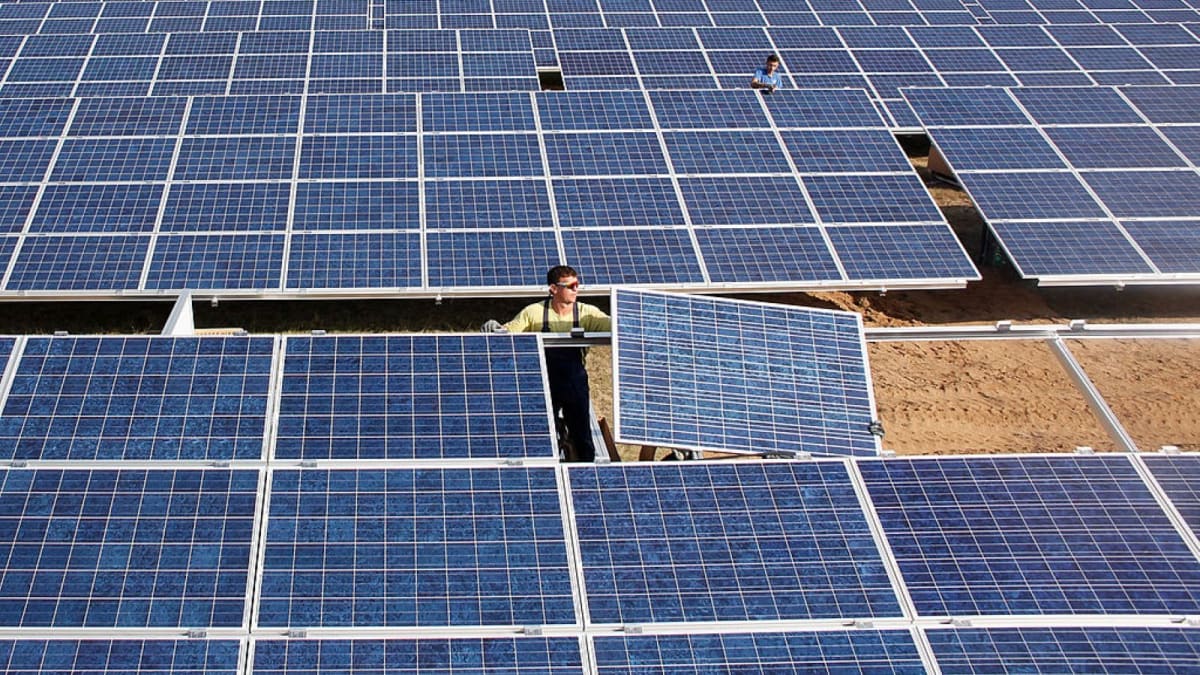
Crux has already locked in over $1 billion in signed agreements since launching its expanded financing options last September. One deal alone provided $340 million to build a massive 413-megawatt solar farm in Texas, enough to power tens of thousands of homes.
The company built its reputation by creating a marketplace where businesses can buy and sell clean energy tax credits. That market exploded after the Inflation Reduction Act made these credits transferable, opening the doors for corporations and institutions that wanted to invest in renewable energy without owning the actual solar panels or wind turbines.
The Ripple Effect
This financing surge is powering real infrastructure across America. Utilities are racing to add new clean power sources to meet skyrocketing electricity demand, and developers now have more flexible ways to fund projects quickly.
The shift to simpler financing structures means more companies can participate in clean energy investment, not just the handful of large banks that traditionally dominated tax equity deals. That broader participation is accelerating how fast renewable projects can break ground and start generating power.
For communities near these projects, that means construction jobs, tax revenue, and cleaner air. For the grid, it means more reliable domestic energy production right when the country needs it most.
CEO Alfred Johnson noted that the need for domestically produced clean energy has never been more urgent, and the company is positioned to deploy capital at exactly the right moment.
The market is proving that clean energy finance can adapt and grow even when policy changes create uncertainty.
More Images
Based on reporting by Google: clean energy investment
This story was written by BrightWire based on verified news reports.
Spread the positivity!
Share this good news with someone who needs it