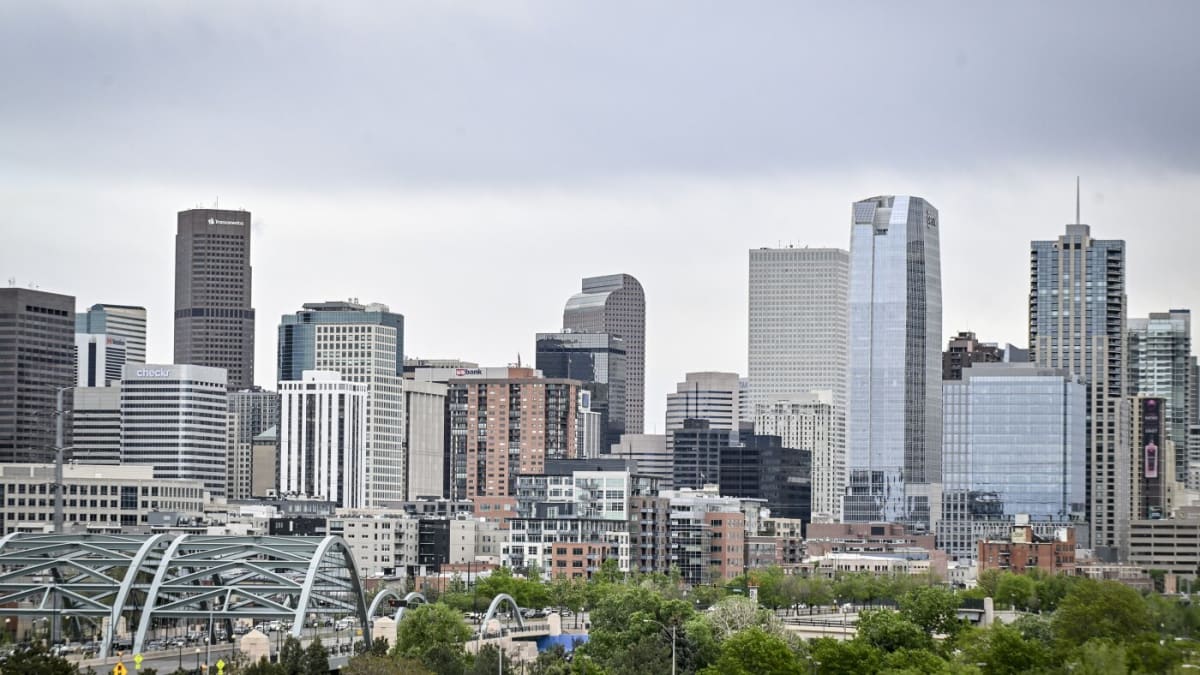
Denver's Sewage-Powered Plan Cuts Building Emissions to Zero
Denver is transforming its oldest steam heating system into a revolutionary thermal network that uses water, geothermal energy, and even sewage heat to warm and cool downtown buildings without burning fossil fuels. The city expects to save money while hitting its 2040 zero-emissions goal.
Denver just figured out how to heat skyscrapers with sewage, and it might change how American cities tackle climate change.
The city is replacing the world's oldest commercial steam system with something that sounds like science fiction: an "ambient loop" that lets buildings share heat through underground water pipes. No natural gas required.
Here's how it works. Water circulates between 11 downtown buildings like a lazy river. Each building gets a special heat pump that can pull warmth from the water when it's cold inside, or dump excess heat into the water when it's too hot.
The genius part? Buildings swap energy with each other. When the art museum overheats, it sends warmth through the loop to a chilly municipal building next door. Nothing goes to waste.
The old Cherokee Boiler House, a brick building filled with rattling pipes and cockroach carcasses, will become the system's brain. "It looks like a good place for a rave or potentially a horror movie," says Denver Mayor Mike Johnston. But he sees it differently: "the future of energy in Denver, which is both pollution free and affordable."
Buildings are Denver's biggest climate problem. Heating and cooling skyscrapers currently requires burning massive amounts of natural gas. But a 2021 city law requires large buildings to slash emissions or face penalties, and customers on the aging steam system had no way to comply.
The old steam network's bills have more than doubled in the past decade because of leaks, rising fossil fuel prices, and expensive maintenance. Customers have been fleeing. The new thermal system promises lower costs and zero emissions.
The Ripple Effect
This isn't just about Denver. Cities worldwide struggle to decarbonize their downtown cores, where dense clusters of tall buildings guzzle energy. If Denver's experiment works, it could become a blueprint for urban America.
Similar thermal networks already exist on college campuses and in some international cities, but few American downtowns have tried this approach at scale. Denver is betting it can prove the model works for a major U.S. city center.
The system also taps into unconventional heat sources, including sewage (which stays surprisingly warm) and geothermal energy from underground. Every degree of "free" heat means less electricity needed to keep buildings comfortable.
The city plans to complete the project over the next decade, targeting its 2040 deadline to reach net-zero greenhouse gas emissions. Officials believe they can hit that goal while actually reducing costs for taxpayers.
What started as a crumbling 19th-century steam system could end up showing the country how to keep cities comfortable without cooking the planet.
More Images



Based on reporting by Google News - Climate Solution
This story was written by BrightWire based on verified news reports.
Spread the positivity!
Share this good news with someone who needs it