Clean Energy Saves $5B Yearly vs Fossil Fuels by 2030
America could save $5 billion every year by 2030 by meeting surging electricity demand with solar and wind instead of fossil fuels. A new study shows the clean energy path costs 17% less while protecting against price shocks.
Your electric bill could shrink by billions if America chooses sunshine over coal to power its future, according to groundbreaking research from Energy Innovation.
The country faces a massive challenge: electricity demand will jump 24% by 2030 as data centers multiply and more homes switch to electric heating and cars. The big question is how we'll keep the lights on without breaking the bank.
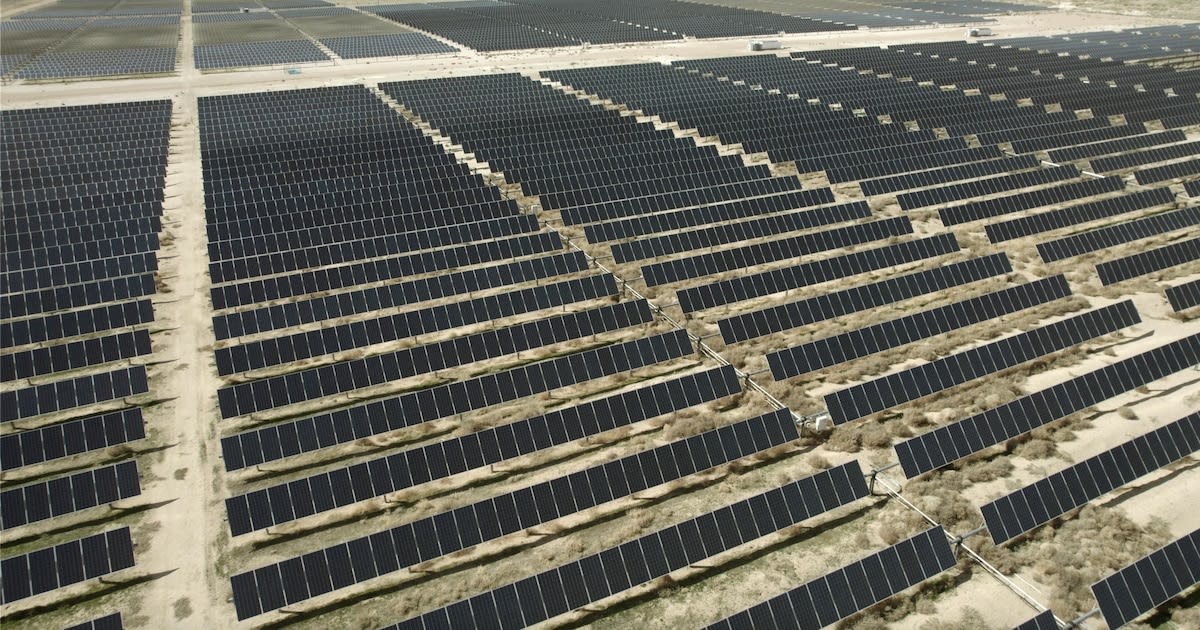
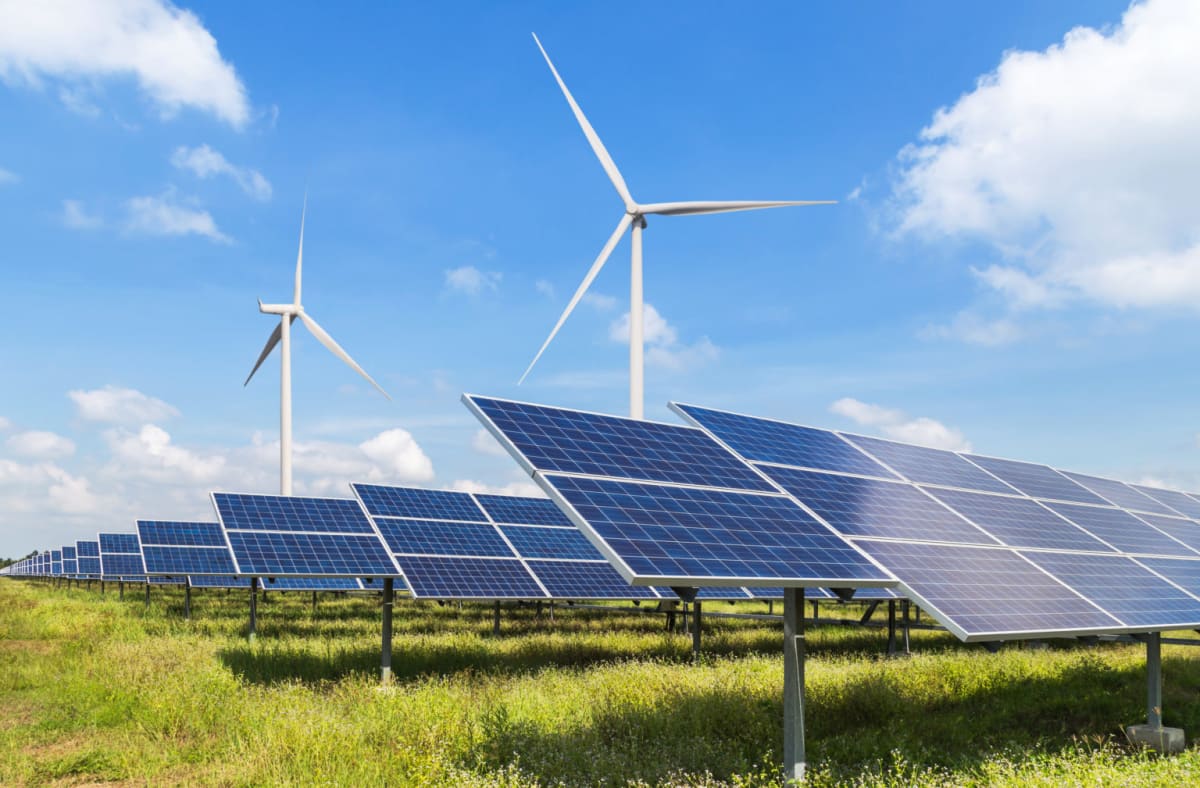
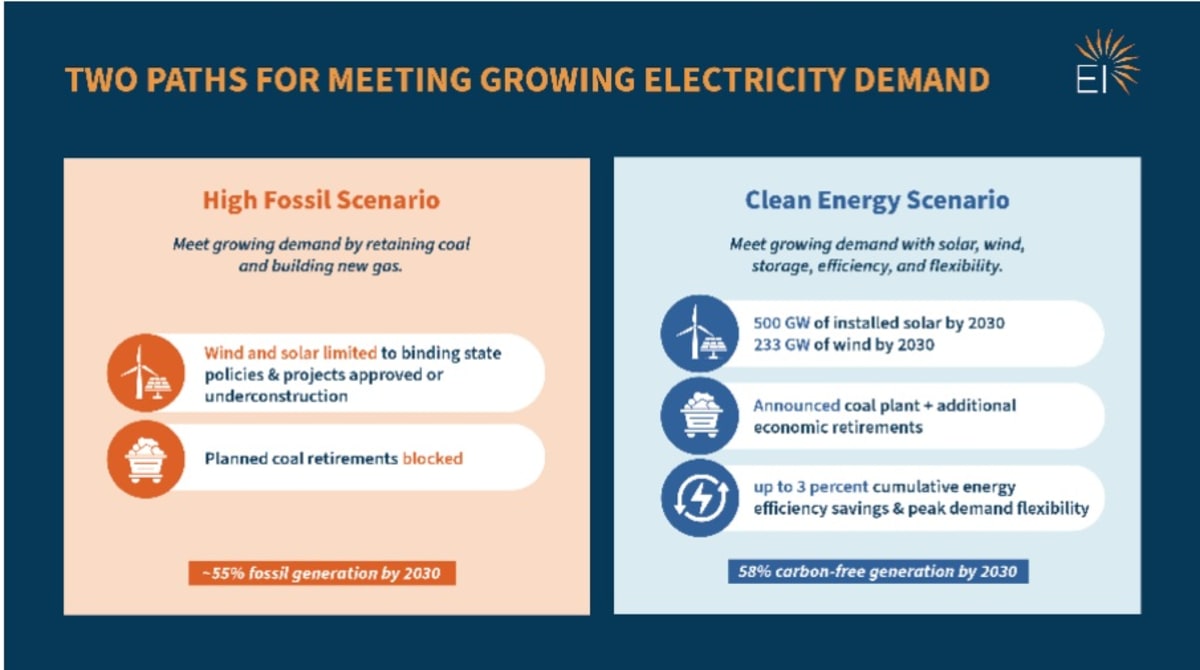
Researchers compared two paths forward. One keeps burning more coal and natural gas as demand grows. The other accelerates solar panels and wind turbines to historic levels while letting old coal plants retire on schedule.
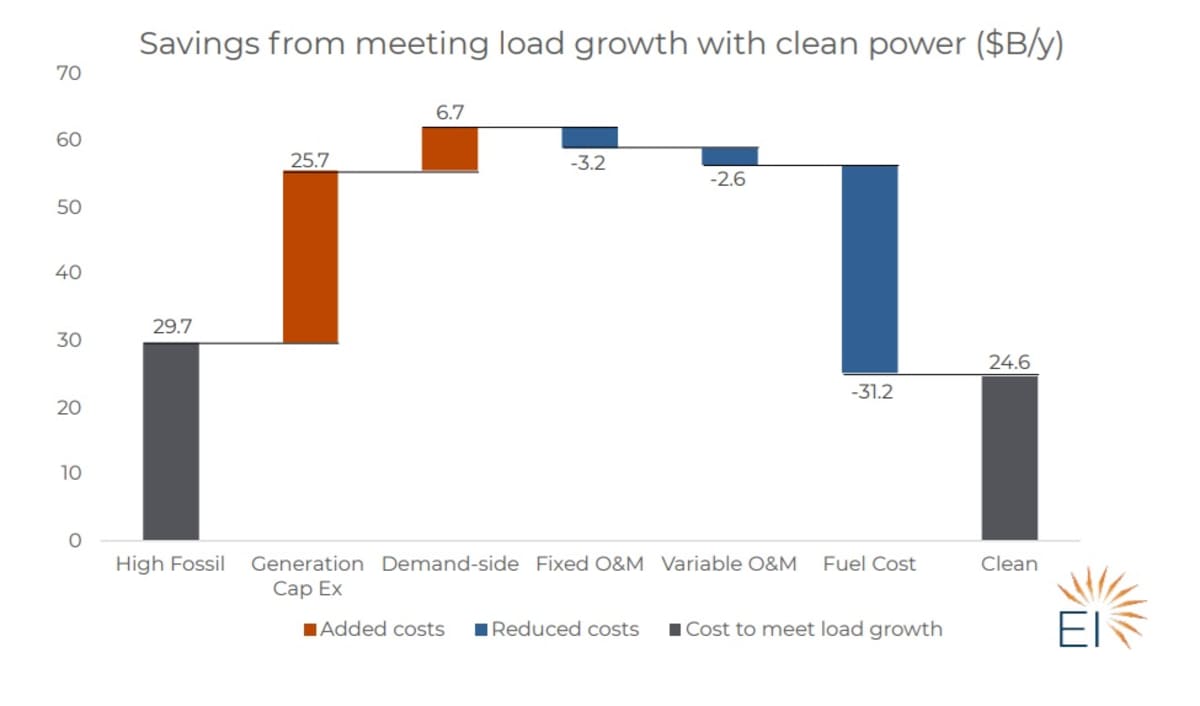
The clean energy route wins by a landslide. It would cost $5 billion less every year than the fossil fuel approach, saving 17% on the national electric bill.
Those savings come from dodging expensive fuel costs and retiring inefficient power plants that guzzle resources. Solar and wind generate electricity for free once they're built, while coal and gas require constant fuel purchases.
The fossil fuel path would add nearly $30 billion annually to customer bills by 2030. Clean energy actually reduces overall costs by $5.1 billion that same year, even accounting for new solar panels and battery storage.
Brendan Pierpont, director at Energy Innovation, highlighted another advantage: protection from price chaos. When Russia invaded Ukraine in 2022, natural gas prices quadrupled overnight and coal followed. Under that scenario, clean energy savings would jump to $8 billion yearly.
"A clean pathway is a significant hedge against fuel price risk," Pierpont explained during a webinar. "We're headed into a period of more, not less, uncertainty in fuel prices."
Even if electricity demand grows slower than expected, clean energy still delivers savings. Data centers aren't being built as quickly as predicted, and some utilities are requiring large customers to commit financially before connecting to the grid.
The Bright Side
States are already removing roadblocks to faster clean energy deployment. Illinois created minimum standards for local solar permits, preventing counties from blocking projects with overly restrictive rules while respecting local input.
Indiana now requires utilities to share existing grid connections more efficiently. Many natural gas peaker plants use their connections only 10% of the time, leaving equipment sitting idle the other 90%. New solar or battery projects can share those connections instead of building from scratch.
The report emphasizes that utilities need better planning tools, including checking recent market prices before making decisions. New natural gas turbines now cost two to three times more than a few years ago, while battery storage keeps getting cheaper.
America stands at an energy crossroads, and the math points clearly toward sunshine and wind delivering more reliable, affordable power for everyone.
More Images

Based on reporting by Google News - Clean Energy
This story was written by BrightWire based on verified news reports.
Spread the positivity!
Share this good news with someone who needs it