Climate Research Database Maps 1.8M Scientific Studies
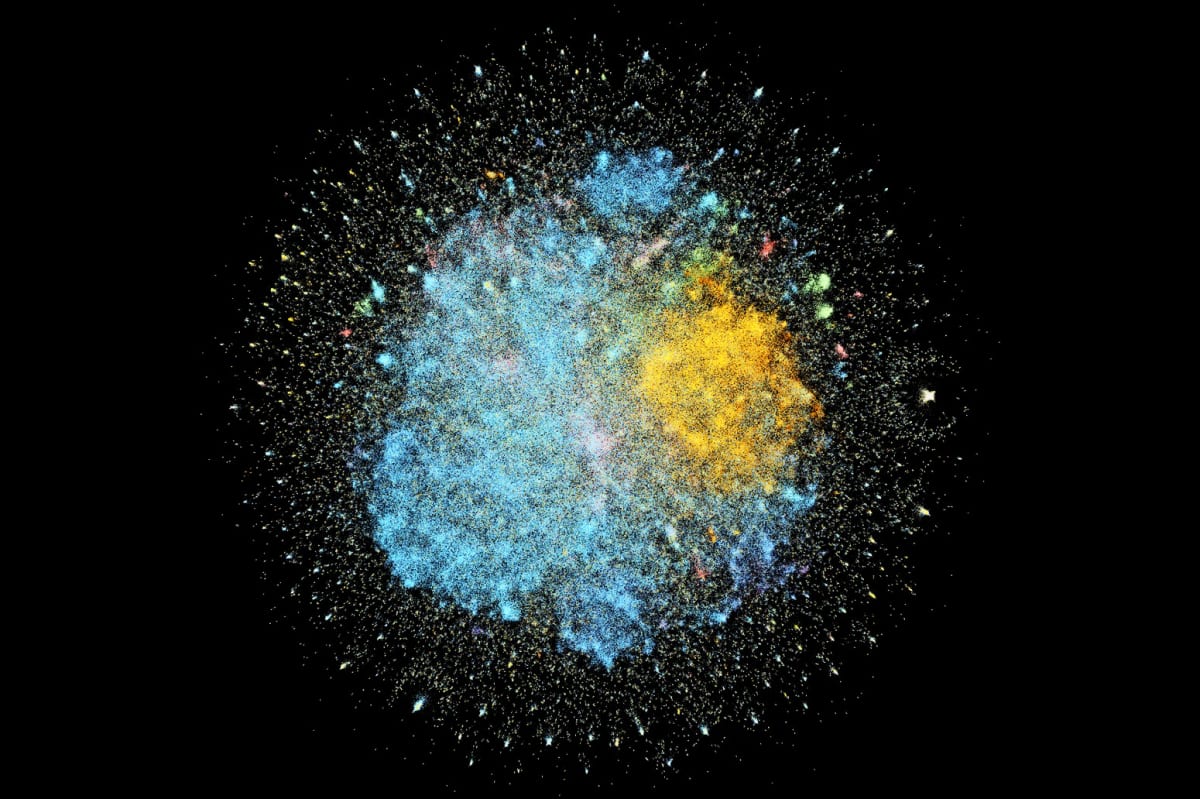
A new free database called Project Cosmos has organized over 1.8 million climate science publications spanning more than a century of research. The tool helps researchers and the public understand how our knowledge of climate change has grown and where future studies are needed.
Scientists just made it much easier to understand everything we know about climate change by creating the world's largest database of climate research.
Carbon Brief spent 18 months building Project Cosmos, a free tool that connects 1.8 million scientific publications through 40 million citation relationships. The database traces climate science back to 1856, when scientist Eunice Newton Foote first connected atmospheric CO2 to rising temperatures.
The team started with reports from the Intergovernmental Panel on Climate Change (IPCC), the world's leading authority on climate science. Since 1990, IPCC reports have referenced over 107,000 unique studies, which became the foundation for the larger database.
The numbers tell an impressive story of scientific growth. The first IPCC assessment in 1990 listed 2,315 references. The most recent sixth assessment included 82,523 references, a nearly 40-fold increase in just three decades.
Project Cosmos does more than count papers. The database reveals which scientists, institutions, and publications have been most influential in shaping our understanding of climate change through a ranking system called the Cosmos 500.
Researchers can now track how interest in different climate topics has shifted over time. The tool also identifies gaps in current knowledge, pointing scientists toward areas needing more study.
The Ripple Effect
Making climate research accessible matters beyond academia. When the public can see the depth and consistency of scientific evidence, it builds trust in climate science and supports informed decision-making.
The database took collaboration between journalists and academic specialists to ensure accuracy. Carbon Brief worked with expert teams to verify the data structure and analysis methods.
Anyone can access the database for free. Researchers worldwide now have a powerful tool to understand the full landscape of climate science and build on existing knowledge more effectively.
This comprehensive map of climate knowledge represents more than a century of human curiosity and dedication to understanding our planet's changing climate.
Based on reporting by Carbon Brief
This story was written by BrightWire based on verified news reports.
Spread the positivity!
Share this good news with someone who needs it