Climate Solutions Cheaper Than Fossil Fuels, Data Shows
Renewable energy costs have plummeted in the past decade, making solar, wind, and electric vehicles cheaper than fossil fuel alternatives. Data scientist Hannah Ritchie says the math shows climate action is accelerating worldwide, offering real hope for the future.
The question "Is it too late?" haunts climate conversations, but data scientist Hannah Ritchie has crunched the numbers and found surprising reasons for hope.
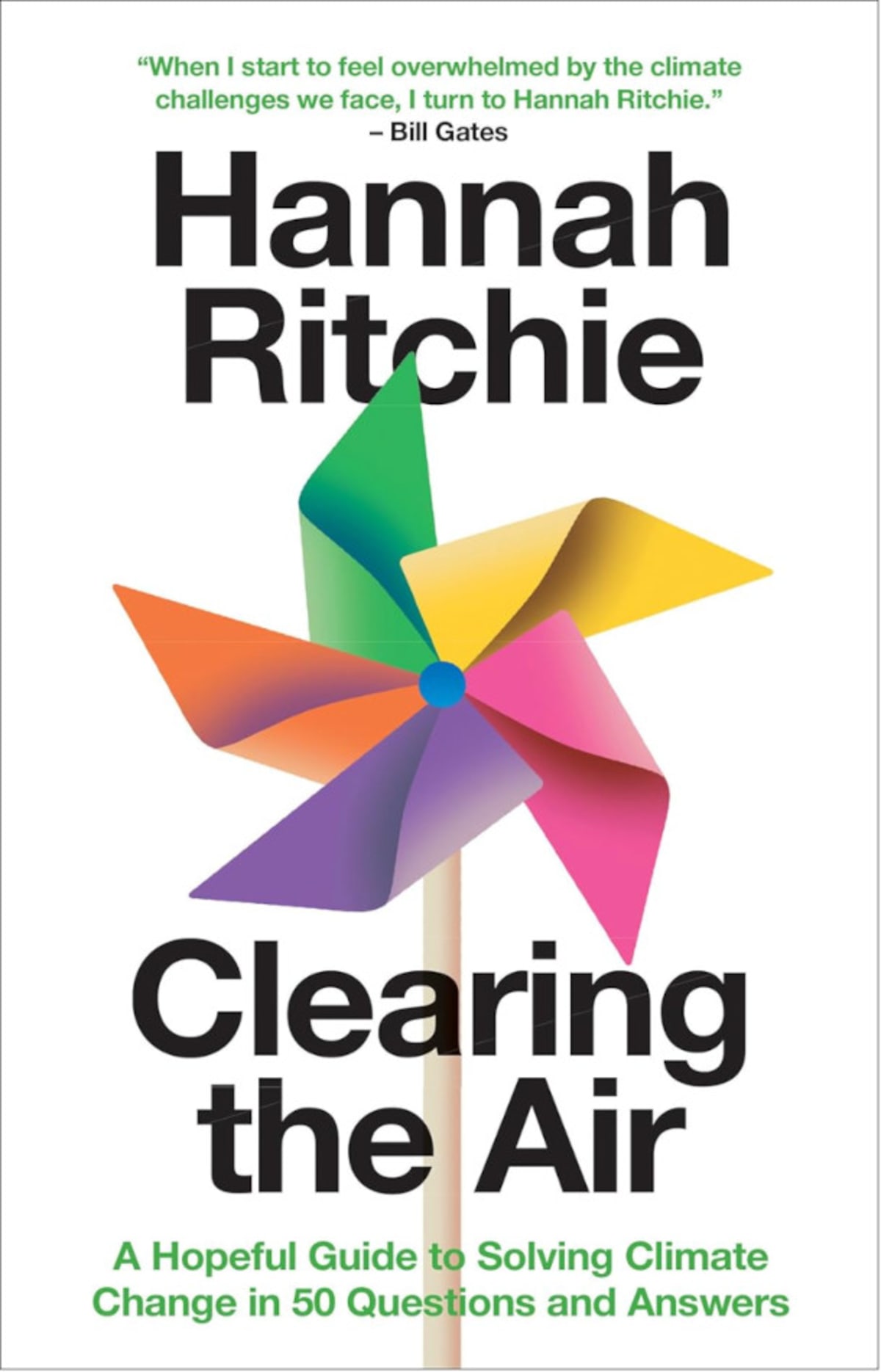
In her new book "Clearing the Air," Ritchie tackles 50 common climate questions with hard data instead of fear. Her answer to whether it's too late might shock pessimists: we've already hit a major turning point, and progress is speeding up.
The biggest shift happened quietly over the past decade. Solar panels, wind turbines, batteries, and electric vehicles all cost dramatically less than their fossil fuel alternatives now. Ten years ago, choosing clean energy meant paying a premium that most people couldn't afford.
"Now that's flipped," Ritchie explains. Clean technology offers both climate benefits and economic savings, which is transforming how quickly people adopt it.
The numbers back up her optimism. Most new electricity infrastructure being built worldwide today runs on renewables, not fossil fuels. In China, more than half of new car sales are electric. Norway hit 98% electric vehicle sales.
Ritchie acknowledges that keeping global warming below 1.5 degrees Celsius probably won't happen. But here's the crucial part: every tenth of a degree we prevent matters enormously. Fighting for 1.6 degrees instead of 1.8 or 2.0 reduces real damage to real communities.
Many climate concerns stem from partial information, Ritchie found. People worry about mining for renewable technology minerals or dismiss nuclear power as too dangerous. When she examined the complete data, these fears often melted away compared to the alternatives.
Why This Inspires
Ritchie's work matters because it replaces anxiety with actionable truth. Her message isn't "everything's fine" but rather "your efforts actually work." The progress happening worldwide proves that human ingenuity can solve massive problems when economics align with ethics.
She serves as Deputy Editor at Our World in Data, where tracking global trends reveals patterns invisible in daily news cycles. The acceleration she's documenting didn't require waiting for perfect technology or universal agreement. It happened because clean energy became the smart financial choice.
This pragmatic hope differs from blind optimism. Ritchie uses data as her North Star, following evidence wherever it leads. What she's found should energize anyone who's felt paralyzed by climate doom: the tools exist, they're getting better and cheaper, and adoption is genuinely speeding up.
The climate emergency remains urgent, but Ritchie's research shows we're finally building momentum in the right direction.
Based on reporting by Google News - Climate Solution
This story was written by BrightWire based on verified news reports.
Spread the positivity!
Share this good news with someone who needs it