Coast Guard Saves Stroke Patient in Midnight Mountain Rescue
A Coast Guard crew hiked over a mile through pitch-black wilderness and executed two daring one-wheel landings on a narrow mountain ridge to save a 72-year-old stroke patient. The dramatic overnight mission in California's Trinity Alps showcased extraordinary teamwork under life-or-death pressure.
When a 72-year-old man showed signs of a severe stroke at a remote Trinity Alps campsite late Saturday night, ground rescue teams faced a brutal reality: a six to seven mile mountain hike would take hours the patient didn't have.
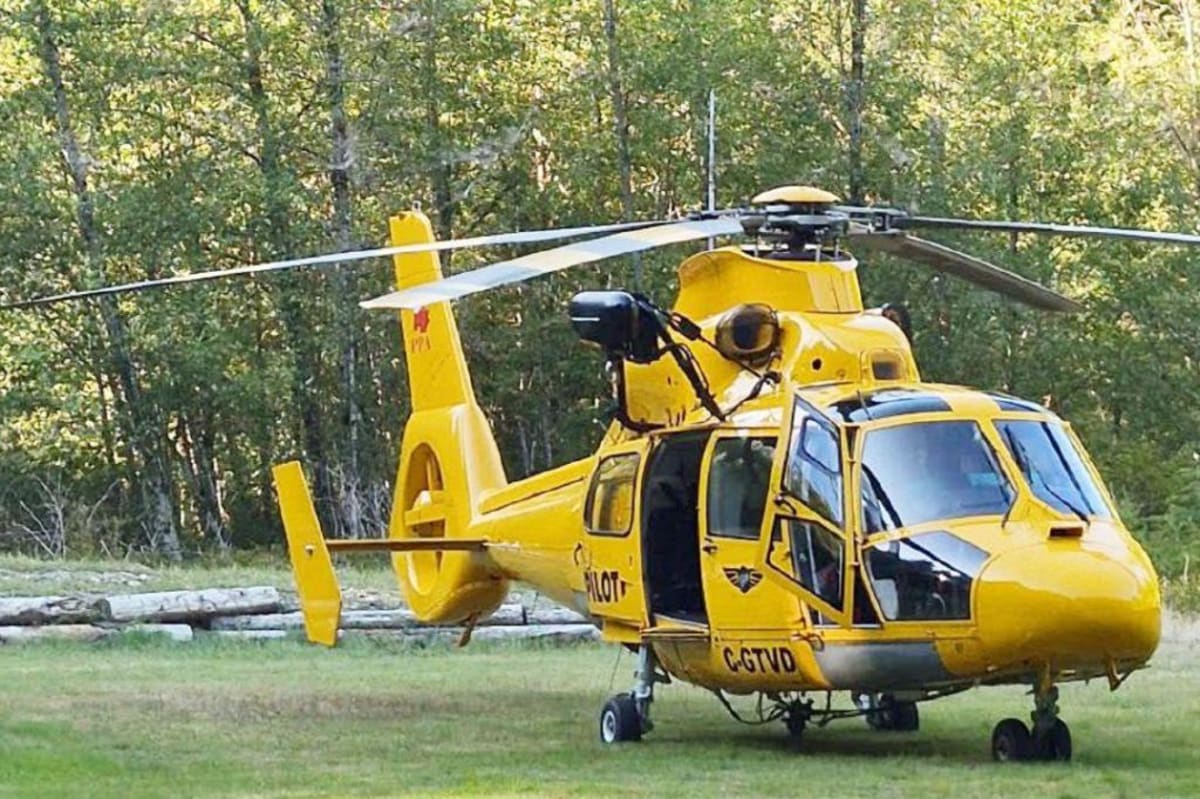
The Coast Guard crew from Sector Humboldt Bay stripped non-essential equipment from their helicopter to handle the thin mountain air and launched into darkness. They knew every minute mattered for stroke treatment.
Navigating mountain passes over 8,900 feet high, the pilots battled shifting shadows and blinding glare through their night vision goggles as moonlight bounced off the peaks. The patient's campsite near Caribou Lake sat in a narrow valley surrounded by 150-foot trees, making a normal landing or rescue hoist impossible.
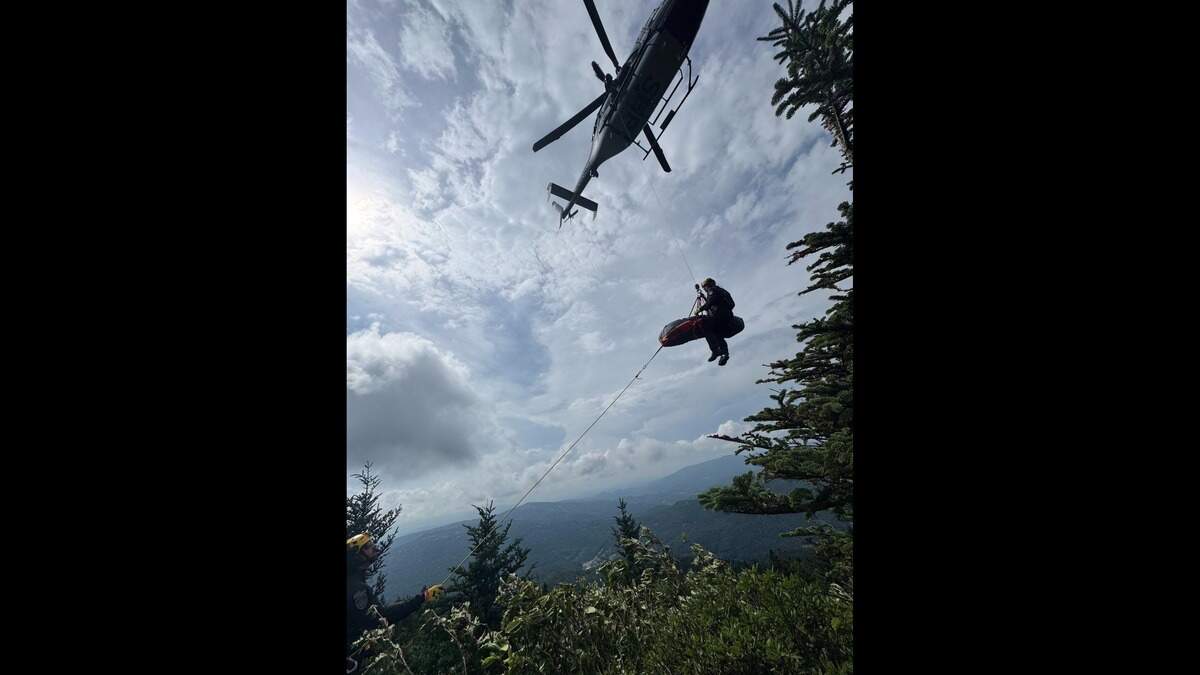
The solution required precision flying most pilots never attempt. The crew executed a delicate one-wheel landing on a steep ridgeline just 10 to 20 feet wide, balancing the helicopter at 6,050 feet to let rescue swimmer AST3 Regan Lowndes jump out.
To guide Lowndes through the pitch-black wilderness, the crew dropped chemical lights through the dense forest canopy like breadcrumbs. The rescue swimmer hiked 1.2 miles through steep terrain carrying 70 pounds of gear, reaching the patient and beginning the journey back.
While Lowndes escorted the father and son toward the ridge, the flight crew quickly refueled in Redding and returned. Fighting rotor wash that kicked up blinding dust, sliding rocks, and engine power at its absolute limit, the right seat pilot held another continuous one-wheel landing at 6,100 feet to load the patient and swimmer.
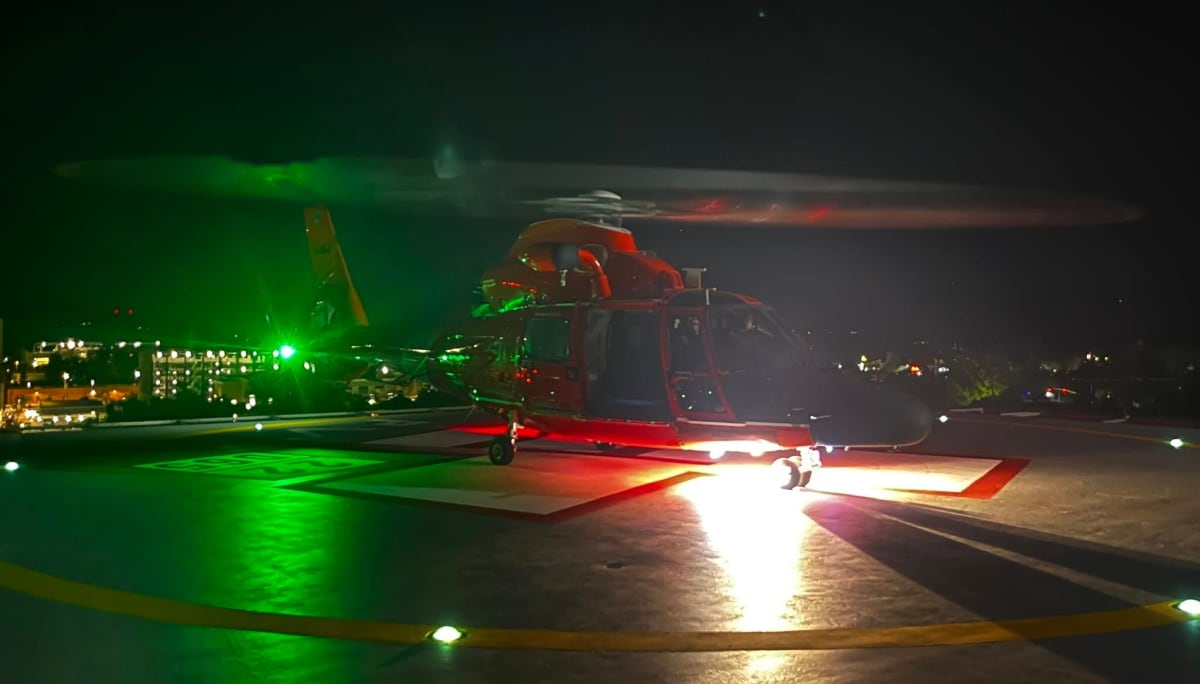
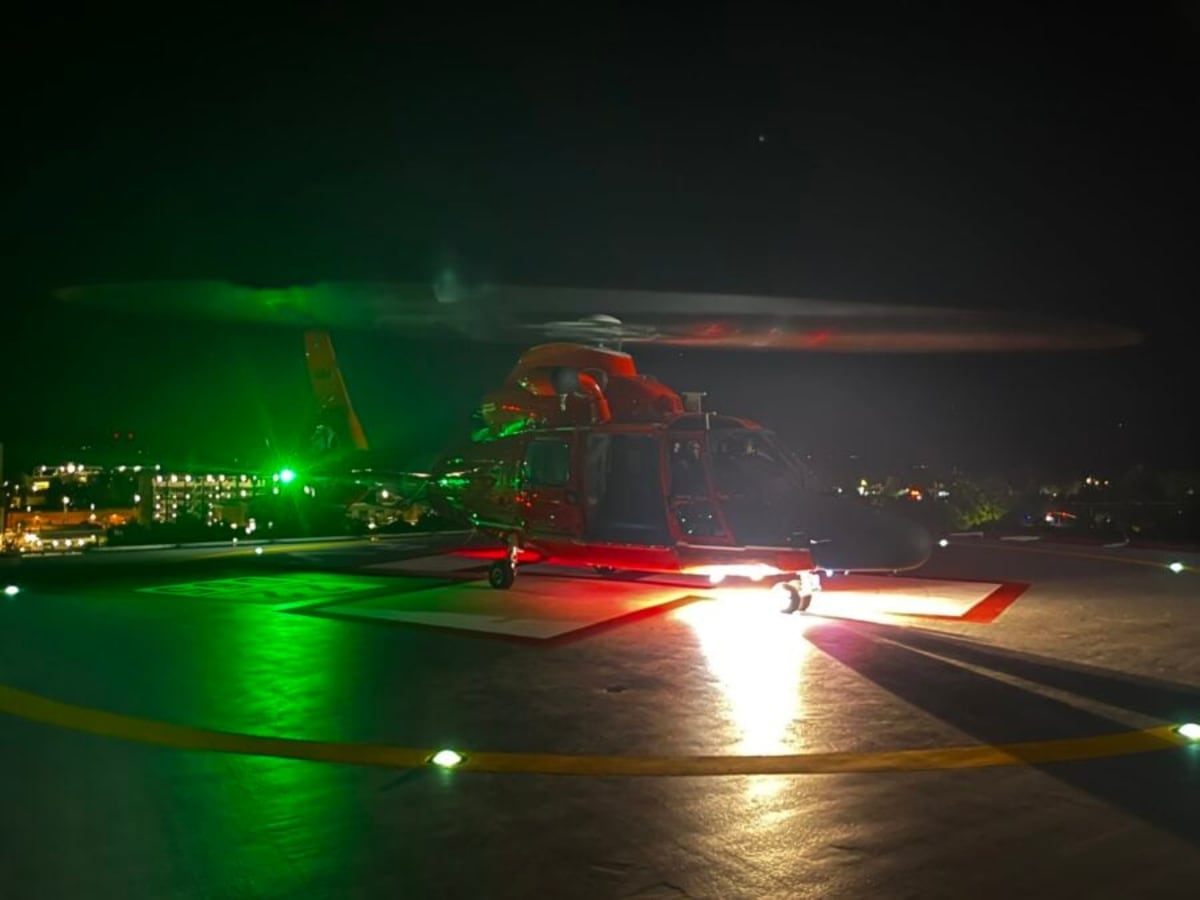
The helicopter cleared the towering trees by inches and flew straight to Shasta Hospital. After navigating thick coastal fog back to base, the exhausted crew landed safely at 4:30 a.m.
Why This Inspires
This rescue marked AST3 Regan Lowndes' very first search and rescue case in the U.S. Coast Guard. For his debut mission, he hiked over a mile through complete darkness in mountain wilderness, trusting chemical lights and his training to save a stranger's life.
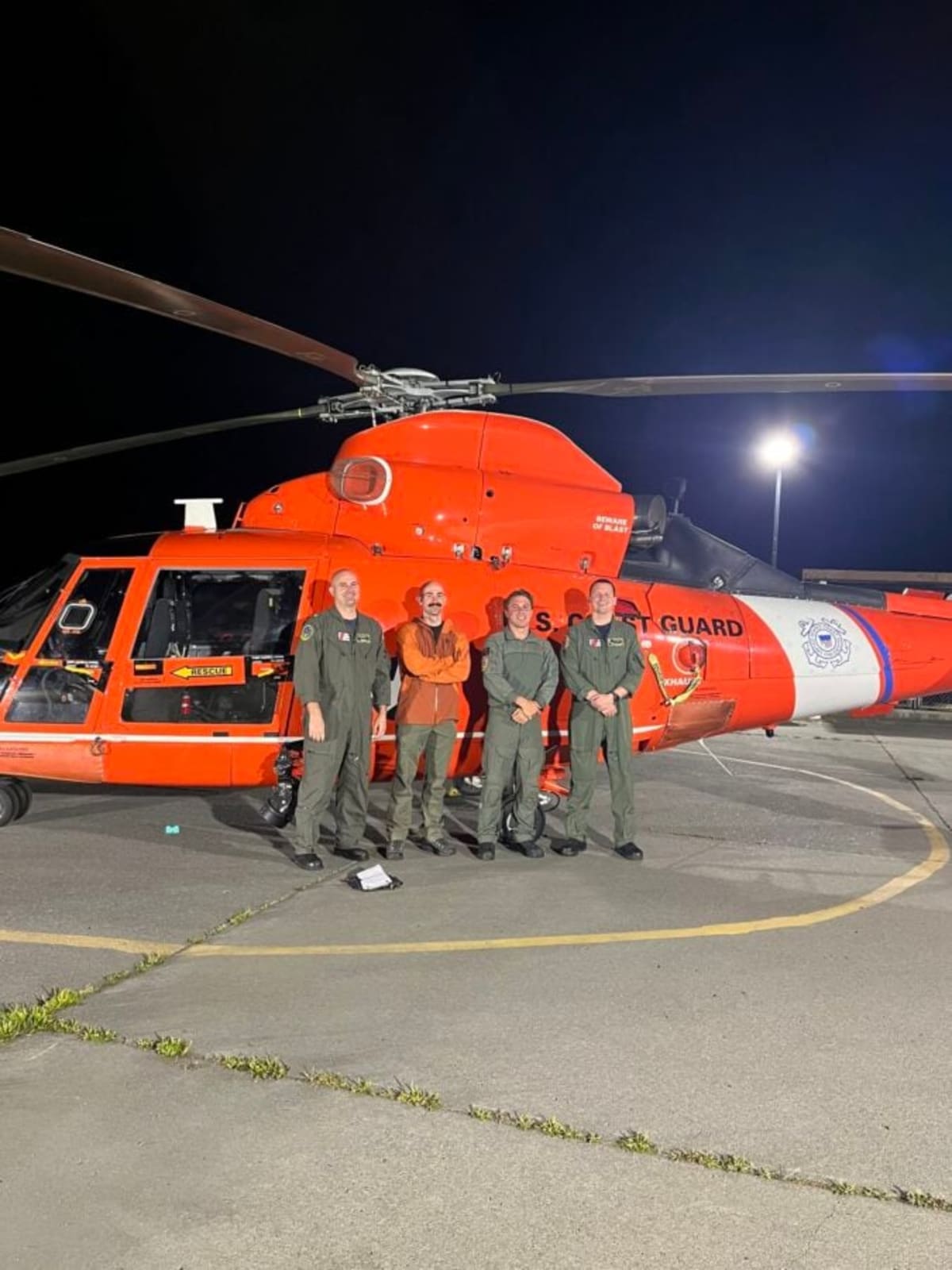
The entire crew of CG-6564 turned an impossible situation into a successful rescue through skill, courage, and seamless coordination. LCDR Mitchell Dow, CDR Josh Smith, AMT2 Jacob Eash, and Lowndes proved that preparation meets opportunity when lives hang in the balance.
The patient made it to the hospital in time for critical stroke treatment, thanks to a team that refused to accept that "impossible" meant "too late."
More Images


Based on reporting by Google: rescue saves
This story was written by BrightWire based on verified news reports.
Spread the positivity!
Share this good news with someone who needs it