Coastal Wetlands and Solar Power Lead Climate Progress
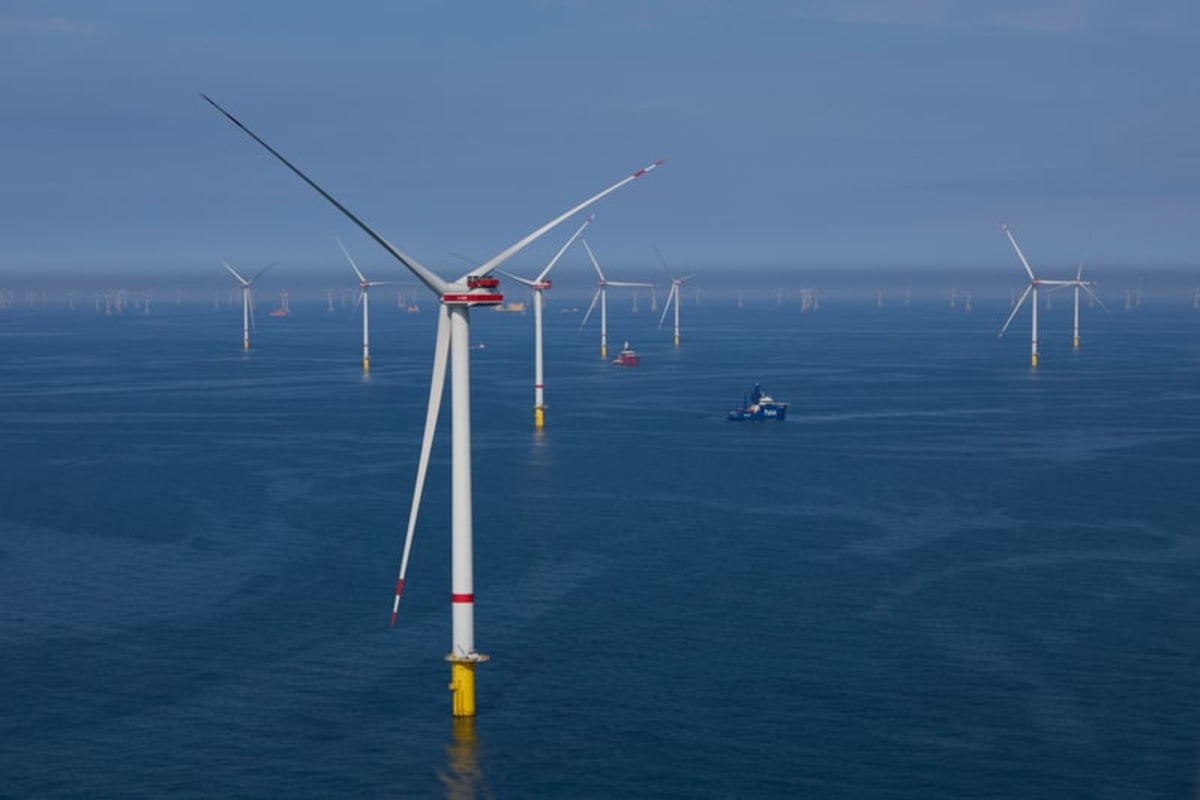
Over 100 countries are protecting coastal wetlands that store five times more carbon than forests, while rooftop solar transforms power grids worldwide. London Climate Action Week showcases how nature and clean energy work together to fight climate change.
More than 75,000 leaders gathered in London this June with proof that climate solutions are working on two powerful fronts: protecting coastal wetlands and spreading clean energy.
Coastal wetlands cover less than 5% of Earth's land but punch way above their weight in fighting climate change. These marshes, mangroves, and seagrass meadows store carbon at rates five times higher than forests, locking away carbon dioxide in their soils for thousands of years.
The numbers tell an inspiring story. Seagrass meadows alone support more than 20% of the world's largest fisheries, feeding coastal communities while cleaning the air. Countries like Belize, Costa Rica, Panama, Jamaica, and Kenya have written wetland protection into their official climate action plans.
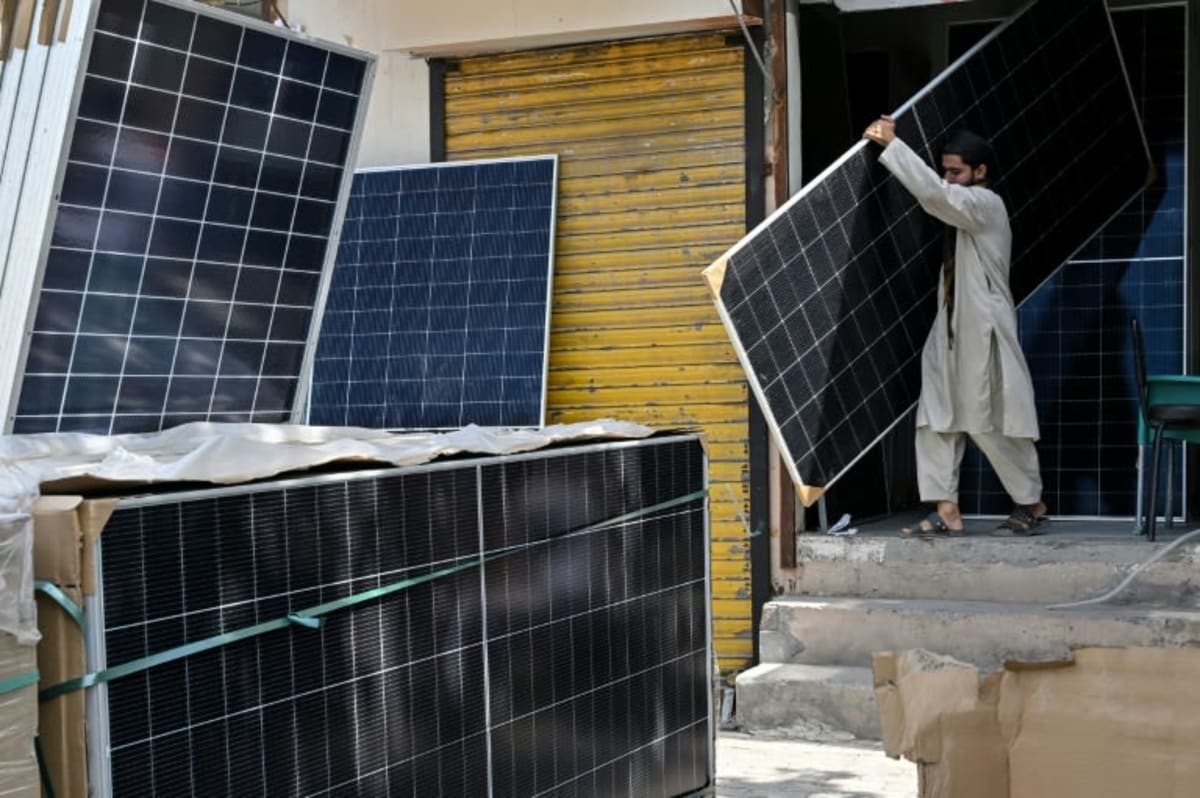
Meanwhile, clean energy is becoming cheaper and more accessible than ever. Rooftop solar panels, home batteries, and smart appliances are changing how we think about electricity.
The Ripple Effect
Australia shows what's possible when communities embrace solar power. Rooftop panels generated nearly 13% of the country's electricity in 2025, helping Australia prepare to close more than 60% of its coal plants by 2040.
In the United Kingdom, one utility receives 60,000 requests every year to connect solar panels and batteries to the grid. They've automated the process to keep up with demand, matching clean energy sources to neighborhoods that need them most.
The savings are real. When homes and businesses network their solar panels and batteries together into "virtual power plants," they can cut power generation costs by 40% to 60% compared to traditional energy. These systems deliver electricity during peak demand times, reducing both grid stress and household bills.
The Pew Charitable Trusts presented these success stories at London Climate Action Week to prove an important point: no single fix solves climate change, but combining wetland conservation with modern clean energy creates real momentum. Natural systems absorb carbon while clean technology reduces emissions at the source.
Countries updating their climate commitments every five years under the Paris Agreement are weaving both strategies together. They're protecting the wetlands that have quietly stored half of all ocean carbon while helping families and businesses generate their own clean power.
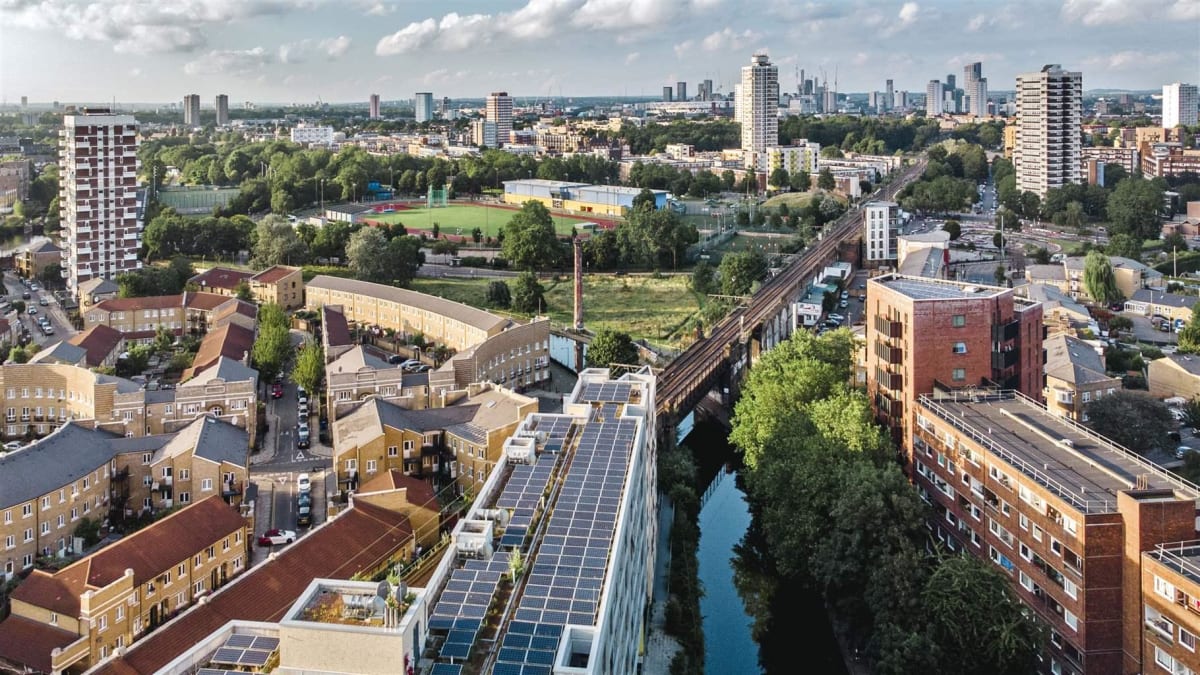
From the seagrass meadows protecting fisheries to the solar panels powering London apartments, communities worldwide are building a cleaner future that works for people and nature.
Based on reporting by Google News - Climate Solution
This story was written by BrightWire based on verified news reports.
Spread the positivity!
Share this good news with someone who needs it