Coffee Waste Becomes Clean Fuel in 90 Seconds
Scientists in South Korea turned wet coffee grounds into coal-quality fuel in just 90 seconds, no drying needed. The breakthrough could transform how we handle food waste and other moisture-heavy organic materials.
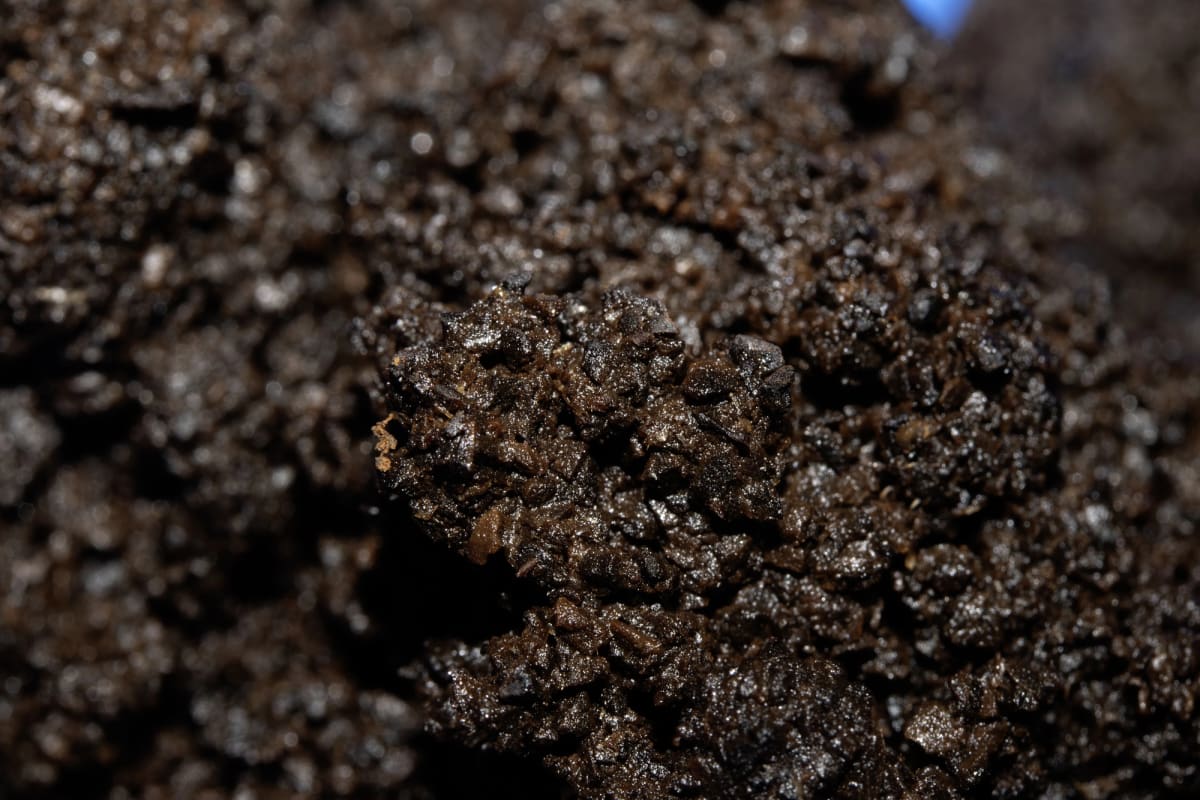
Every day, coffee shops around the world toss millions of pounds of wet coffee grounds into the trash, and until now, turning that soggy waste into something useful meant expensive drying and long processing times.
Researchers at the Korea Institute of Geoscience and Mineral Resources just changed that equation completely. Their new plasma-based system converts dripping wet coffee grounds into high-grade fuel in under 90 seconds, treating moisture as an advantage rather than a problem.
The process uses super-heated plasma flames that reach temperatures between 1,470 and 1,650 degrees Fahrenheit. At those temperatures, water trapped inside the coffee particles vaporizes so quickly it creates what researchers call a "popcorn effect," where steam pressure bursts open the biomass structure from the inside.
Those tiny explosions actually speed up the conversion. The rapid fracturing creates porous channels throughout the material, allowing complete carbonization faster than traditional dry processing methods.
The resulting biochar packs serious energy. With a heating value of 29.0 megajoules per kilogram, it matches anthracite coal in fuel quality. Fixed carbon content jumps from 15.6 percent in raw grounds to 46.2 percent in the finished product.
Even better, the process eliminates sulfur compounds entirely, solving an emissions problem that coal burning can't. The porous structure also makes the material useful beyond fuel, with applications in water filtration and industrial adsorption.
The Ripple Effect
Speed matters when you're trying to scale a solution. Existing wet biomass processing methods like hydrothermal carbonization take one to six hours, and torrefaction runs 30 minutes or more. This system completes the job in 90 seconds using combustion-generated plasma instead of electricity-hungry electrode systems, keeping energy costs manageable.
The technology produces minimal smoke and tar compared to conventional biomass treatment, making it cleaner to operate and easier to integrate into existing waste management systems.
Lead researcher Dr. Taejun Park sees potential far beyond coffee shops. Food waste, sewage sludge, and agricultural residues all share the same high-moisture characteristics that have made biomass recovery expensive and difficult to scale. His team believes the same approach can transform materials that communities currently pay to dispose of into valuable fuel and carbon products.
Commercial-scale testing with additional waste types is already in the works, bringing practical applications closer to reality.
Wet organic waste just became a resource worth capturing.
Based on reporting by Optimist Daily
This story was written by BrightWire based on verified news reports.
Spread the positivity!
Share this good news with someone who needs it