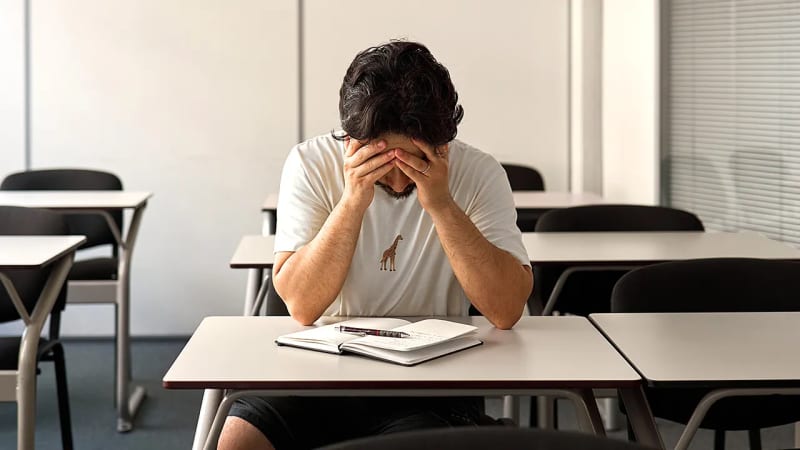
College Students Struggle to Read, Universities Push Reform
A growing number of college students arrive on campus unable to read effectively, forcing professors to teach basic comprehension skills. Now university leaders are calling for higher academic standards and a return to deep reading.
College professors across America are teaching something they never expected: how to read basic text.
According to a Fortune report, many Gen Z students enter university unable to read effectively. Professors find themselves breaking down simple passages line by line, teaching skills students should have mastered years earlier.
The impact extends far beyond the classroom. When students don't learn to read deeply, they lose the ability to think deeply, build attention spans, and communicate clearly in professional settings. Surveys show a significant portion of Gen Z graduates feel unprepared for the workforce, citing difficulty with communication and anxiety over job expectations.
University leaders point to a perfect storm of causes. Nearly half of U.S. adults read no books last year, and Gen Z reads fewer than any prior generation. But institutions shoulder responsibility too.
Many universities quietly lowered reading requirements and simplified curriculum to avoid student discomfort. What seemed compassionate actually limited students' potential.
The Bright Side
Universities are waking up to the problem and taking action. Leaders like Dr. Kent Ingle at Southeastern University in Florida are restoring rigorous academic standards, believing students rise when expectations increase rather than decrease.
Schools are rebuilding cultures of learning that prioritize deep reading, critical thinking, and intellectual perseverance. They're treating students not as consumers to satisfy but as future leaders to form.
The approach works because it respects students' capabilities. Young people today are smart, creative, and full of potential, educators emphasize. They need formation, not lowered bars.
Reading shapes more than test scores. It builds empathy, strengthens discipline, and stretches imagination. These traits make leadership and meaningful community participation possible.
The stakes extend beyond individual success. A society of citizens who cannot read deeply struggles to preserve freedom, pursue justice, and engage with complex ideas.
Universities choosing to raise standards again are betting on something powerful: students want to be challenged, even if they don't realize it yet.
A generation that struggles to read is not inevitable if institutions choose to expect more and prepare students to lead in both careers and character.
More Images

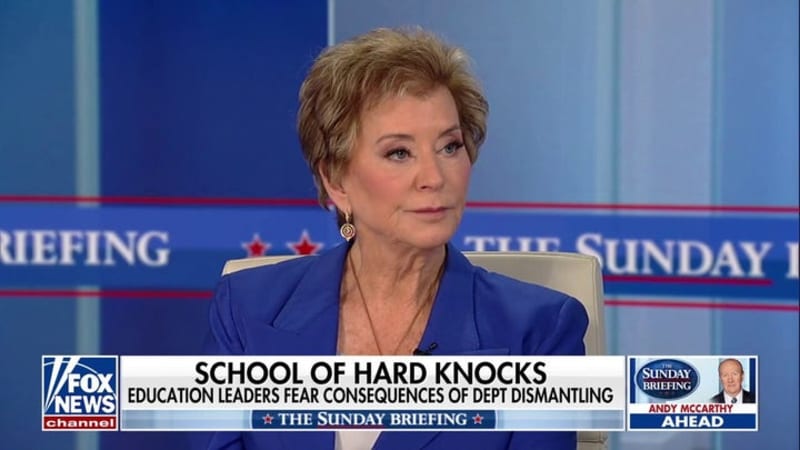

Based on reporting by Fox News Opinion
This story was written by BrightWire based on verified news reports.
Spread the positivity!
Share this good news with someone who needs it


%2Ffile%2Fattachments%2F2994%2FBW_SD3_113_589531.jpg)