Colombia Builds 3,700 Homes From Coffee Waste and Plastic
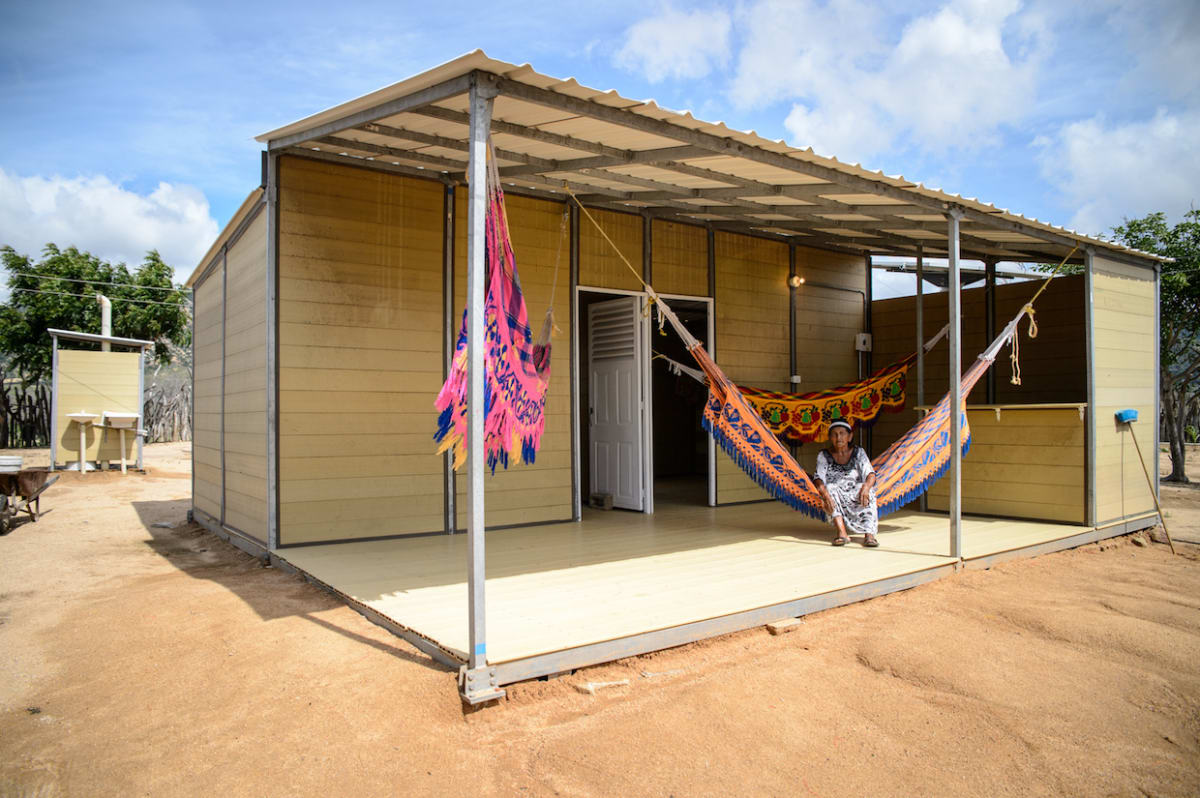
A Colombian company is turning coffee husks and recycled plastic into affordable housing, schools, and classrooms that can be built in remote villages in less than a week. The innovation has already created 3,700 homes and 1,000 classrooms, serving 50,000 children across the country.
Entrepreneur Alejandro Franco found a solution hiding in Colombia's most famous export: coffee waste.
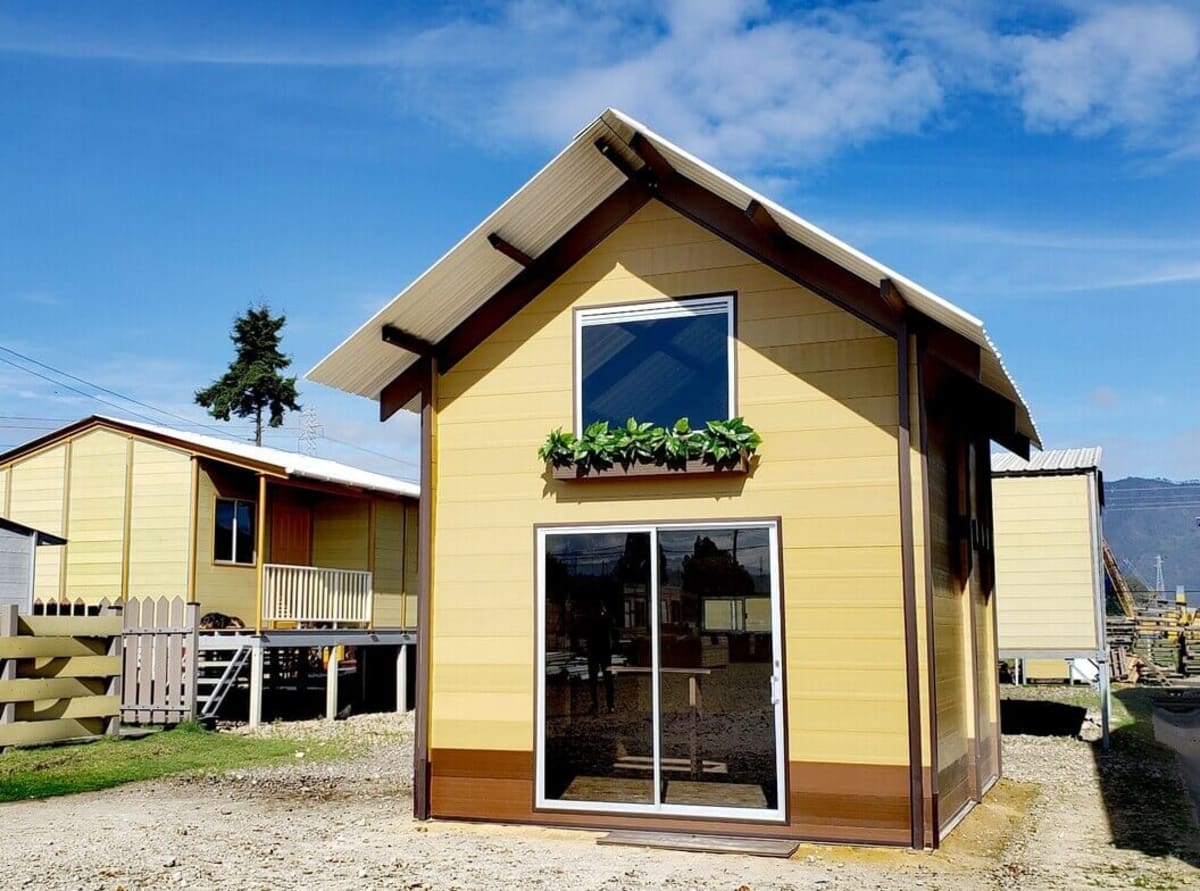
His company Woodpecker has spent 15 years perfecting a material that combines coffee husks with recycled plastic to create lightweight construction panels. These panels snap together like building blocks, creating homes and schools in rural communities that traditional construction could never reach.
The journey started with testing plant fibers from rice, coconut, and palm. Coffee husks won out because they're drier, stronger, and easier to grind. Colombia produces massive amounts of this byproduct during coffee processing, making it a perfect sustainable resource that would otherwise go to waste.
The real breakthrough wasn't just the material. It was designing a system that solves one of rural Colombia's biggest challenges: getting building supplies to remote villages. Traditional bricks, cement, and heavy machinery are expensive or impossible to transport into mountainous areas.
Woodpecker's prefabricated panels change everything. They're light enough to carry and simple enough to assemble with basic tools and a manual. A complete structure can go up in three to seven days without specialized construction crews.
What started as a housing solution quickly expanded. The company has built 20 schools, 1,000 educational classrooms, and countless bathrooms and sanitary facilities. The University of the Andes documented and validated the material's strength for construction use.
The Ripple Effect
The impact reaches beyond individual buildings. By reusing plastic waste and agricultural byproducts, Woodpecker tackles environmental problems while solving social ones. Rural communities that struggled without basic infrastructure now have schools where children can learn and homes where families can thrive.
Fifty thousand children and young people across Colombia have benefited from these structures. They're studying in classrooms that exist because someone saw potential in what others threw away.
The model offers hope for other coffee-producing countries facing similar challenges. Anywhere coffee husks pile up and rural communities need affordable infrastructure, this technology could work. The circular economy isn't just a concept here. It's shelter, education, and opportunity built from yesterday's waste.
Colombia is proving that the future of construction might smell like your morning coffee.
More Images



Based on reporting by Regional: colombia innovation (CO)
This story was written by BrightWire based on verified news reports.
Spread the positivity!
Share this good news with someone who needs it