Colorado Brings Wolverines Back After 100-Year Absence
Colorado just approved a plan to bring wolverines back to its mountains after more than a century. The state will release 45 of the rare animals over three years in what could become one of America's biggest wildlife comebacks.
For the first time ever, a state is bringing wolverines home on purpose, and Colorado just said yes to making it happen.
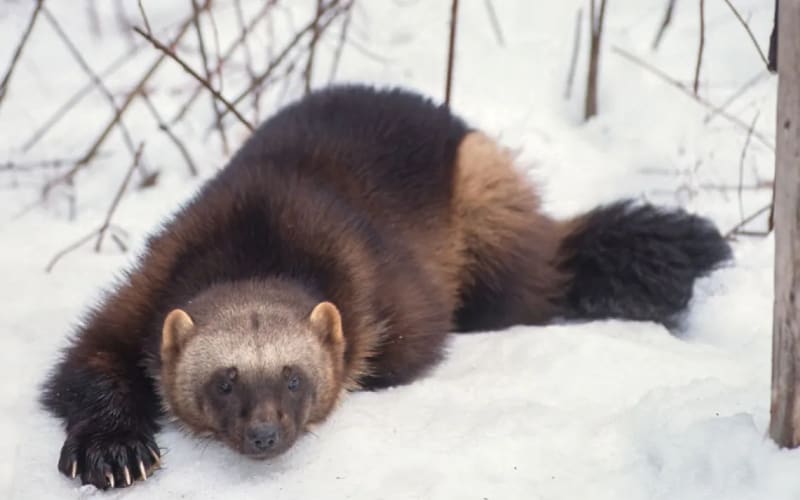
Earlier this month, the Colorado Wildlife Commission approved a bold plan to reintroduce 45 wolverines across the state's high peaks over the next three years. These muscular, bear-like weasels vanished from Colorado more than 100 years ago when settlers killed them off during the 19th and early 20th centuries.
The timing couldn't be better. Only about 300 wolverines remain in the lower 48 states, mostly scattered across Idaho, Montana, and Wyoming. That makes them one of America's rarest animals.
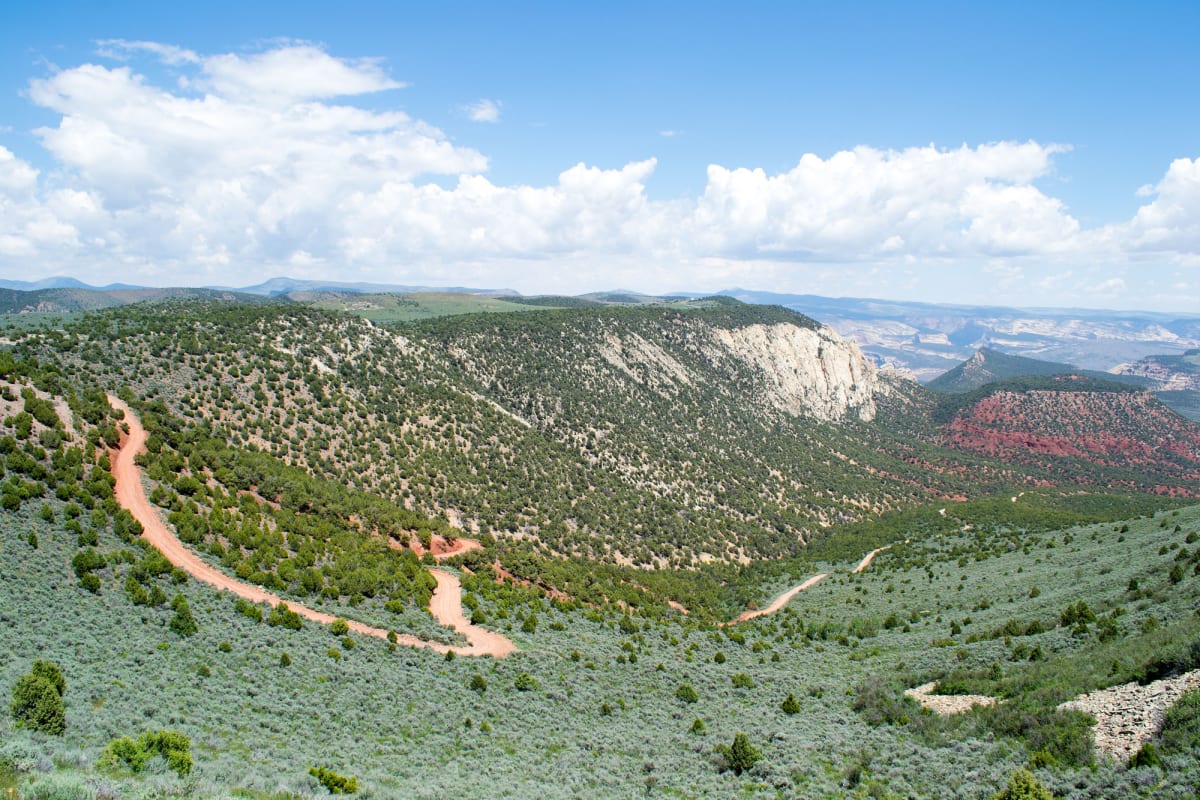
Colorado's plan would release the animals along a corridor stretching from Wyoming to New Mexico, in areas packed with national forests, wilderness areas, and other public lands. The state could eventually support 100 to 160 wolverines, which would account for nearly a third of the entire U.S. population.
"This is probably the biggest positive step forward we can make for wolverines in the Lower 48 right now," said Robert Inman, the Colorado Parks and Wildlife wolverine program manager. "If you put me on a recovery team, reoccupying Colorado is at the top of my list."
The wolverines will come from British Columbia and Alberta, where conditions mirror what they'll face in Colorado. Wildlife officials will work with trappers to capture about 15 animals each winter, giving them health checks before release.
Here's where it gets clever. The state plans to test two release methods at once. Some females will stay at a rehabilitation center with supplemental feeding and close monitoring. Others will head straight into the wild with premade dens waiting for them.
Most captured females will likely be pregnant, meaning baby wolverines could be born on Colorado soil almost immediately. GPS collars will track every animal as they settle into their new home.
Why This Inspires
This marks Colorado's third major carnivore comeback, following wolves in 2023 and lynx in 1999. Each restoration helps heal ecosystems that lost key species to historic overhunting.
Unlike the controversial wolf reintroduction, which happened through a ballot initiative, wolverine restoration went through the legislature with bipartisan support. Republican lawmaker Perry Will, who sponsored the bill, called it "completely opposite of wolf reintroduction" in terms of process and community involvement.
The high-altitude habitat gives wolverines a fighting chance against climate change too. "Wolverines are adapted and thrive in the snow," said Kaitie Schneider from Defenders of Wildlife. "Every part of their body is made for winter."
Without human help, wolverines would never recover on their own. Natural dispersals happen too rarely for populations to bounce back. This deliberate restoration effort will create a stronger, more genetically diverse population much faster than nature could manage alone.
After a century of absence, Colorado's peaks are about to welcome back one of their missing pieces.
Based on reporting by Google News - Wildlife Recovery
This story was written by BrightWire based on verified news reports.
Spread the positivity!
Share this good news with someone who needs it
%2Ffile%2Fattachments%2Forphans%2Fozz1astreetmuralpromotingrhinoconservationinthetownofHluhluweKwaZuluNatalimagetonycarnie_225511.jpg)