Colorado Reservoir Project Could Unlock Ice Age Secrets
A water infrastructure upgrade in Snowmass Village next summer will give scientists a rare second chance to explore one of the richest Ice Age fossil sites ever found. The project adds drought protection while advancing climate science.
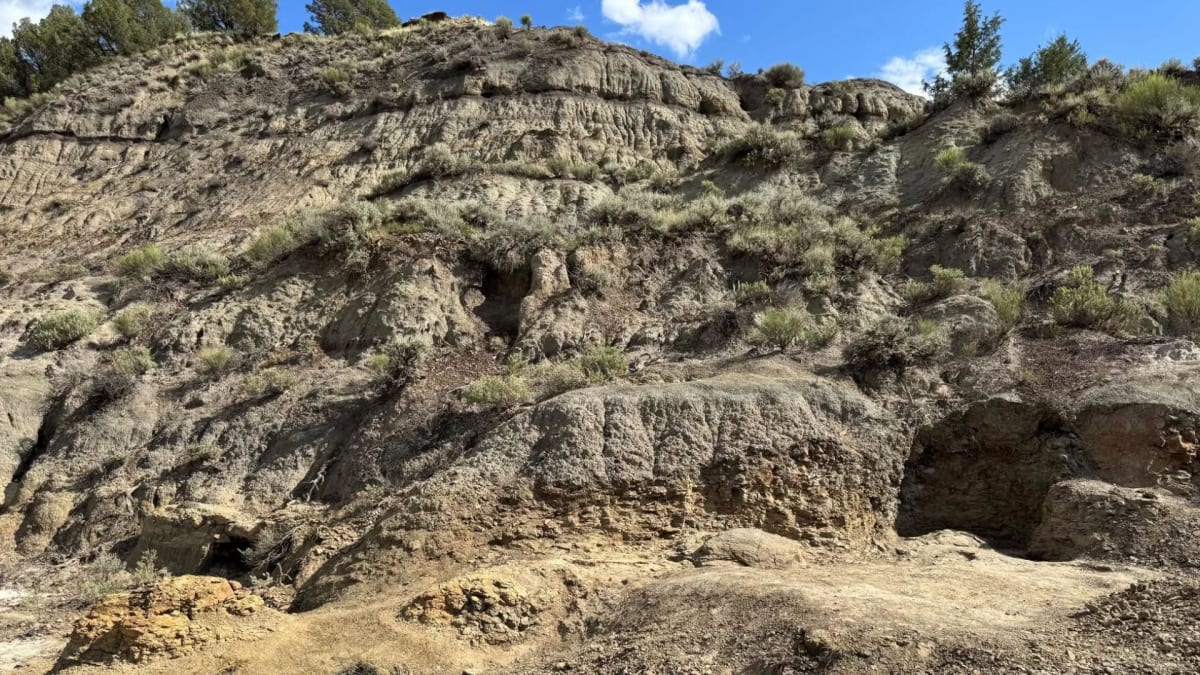
When construction workers stumbled upon a mammoth tusk in 2010, they had no idea they'd just uncovered 85,000 years of Ice Age history buried beneath a Colorado reservoir.
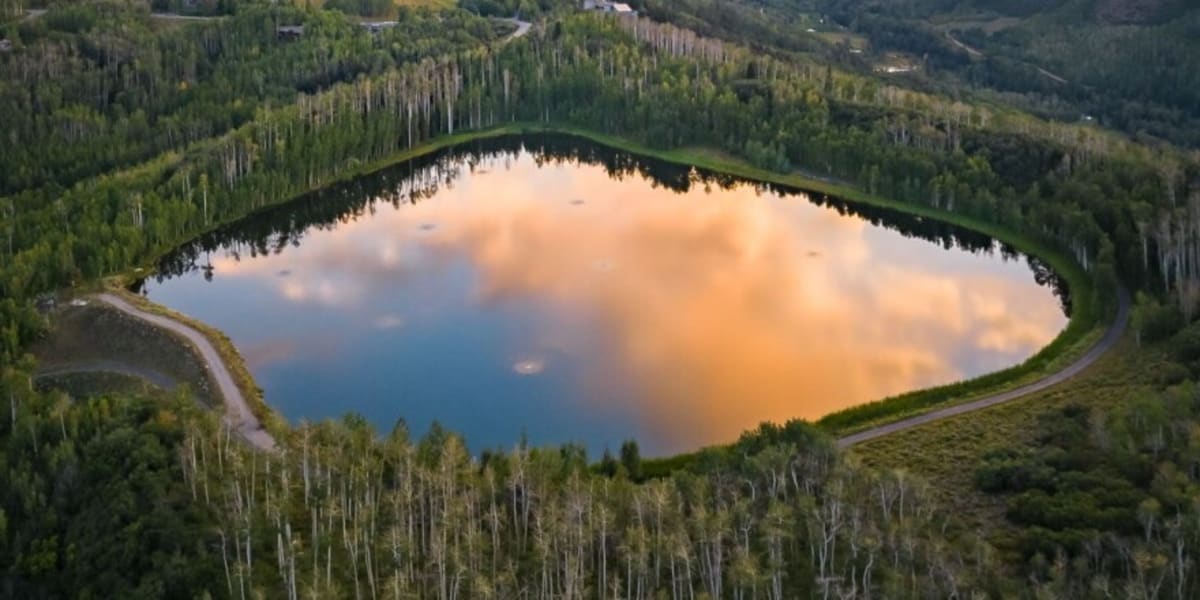
Now, 15 years later, scientists are getting another shot at that same site. Snowmass Water & Sanitation District will deepen Ziegler Reservoir next summer to add 40 million gallons of water storage. As crews dig, paleontologists from the Denver Museum of Nature & Science will be right there with them, hunting for more clues about ancient Colorado.
The original 2010 excavation turned into something extraordinary. Scientists unearthed over 6,000 large animal bones and 30,000 small animal remains, including mammoths, mastodons, giant ground sloths, and Ice Age bison. The site became recognized as the richest high-altitude Ice Age ecosystem ever discovered.
This time around, researchers have better tools. They'll analyze ancient soils for preserved proteins and environmental DNA that can reveal how plants, animals, and climate changed together over tens of thousands of years.
"We now have more tools at our disposal to better understand the paleoenvironment in which these animals and plants lived," says Patrick O'Connor, the Museum's Director of Earth and Space Sciences. The new techniques can add layers of information to an already remarkable story.
The project solves two problems at once. Snowmass Village gets crucial water storage for drought years, protecting the community's water supply during low stream flows. Scientists get unprecedented access to study how ecosystems responded during a period of intense climate change.
The Ripple Effect
This collaboration shows how infrastructure needs and scientific discovery can work hand in hand. The water district gains drought resilience while advancing our understanding of how life adapts to climate shifts. Those insights matter today as we face our own period of environmental change.
The Museum plans to share discoveries with the public in real time through updates, media coverage, and guest experiences in Snowmass. Visitors can watch science unfold during summer 2027, continuing the spirit of shared discovery that made the original excavation so special.
For Snowmass Tourism Director Julia Theisen, the timing couldn't be better. "Snowmass is going to be the place to be next summer," she says. The project runs from May through September 20, 2027.
The 2010 discovery already transformed our picture of Ice Age Colorado, and this second chance could reveal even more about the ancient world that existed right beneath our feet.
More Images


Based on reporting by Google: scientific discovery
This story was written by BrightWire based on verified news reports.
Spread the positivity!
Share this good news with someone who needs it