Colorado Tribe's Solar Project Beats Federal Permit Freeze
A Native American tribe in Colorado just broke ground on a massive solar farm that slipped through federal approvals days before new regulations froze renewable energy permits nationwide. The 170-megawatt project will power 60,000 homes and replace jobs lost when a nearby coal plant closed.
The Ute Mountain Ute Tribe just pulled off something remarkable: starting construction on a major solar project while similar developments across America sit frozen in regulatory limbo.
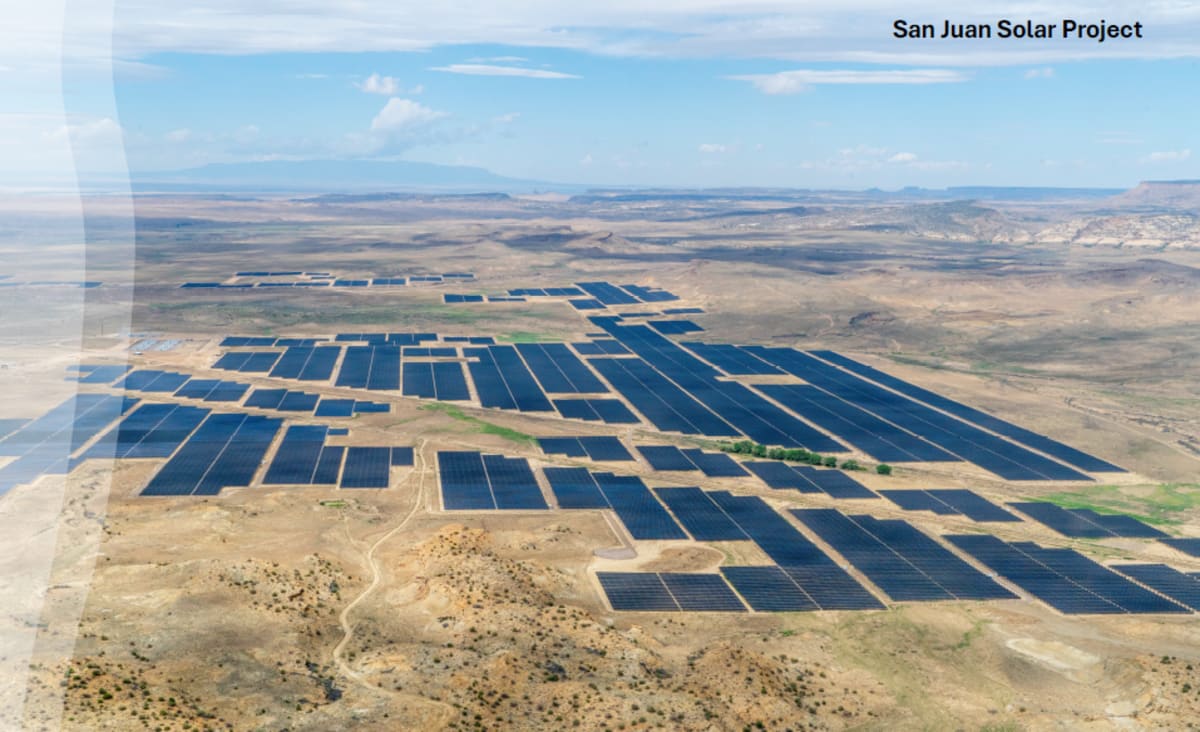
The tribe's Foxtail Flats Solar project broke ground this summer in northwest New Mexico, just across the border from their Colorado headquarters. Developed by D.E. Shaw Renewable Investments, the 170-megawatt solar farm paired with 80 megawatts of battery storage secured its final federal approvals just days before Interior Secretary Doug Burgum changed the rules.
That timing made all the difference. Burgum's new directive forces all federal wind and solar permits through his office directly, adding 68 new review layers that industry groups say function as a freeze on new projects.
The Solar Energy Industries Association estimates that 36% of all planned U.S. power projects through 2030 now face cancellation or major delays because of these bureaucratic hurdles. Foxtail Flats beat the bottleneck by mere days.
Location gave the project another crucial advantage. The site sits near Farmington, New Mexico, at a major regional transmission crossroads where a coal-fired power plant recently shut down.
When the San Juan Generating Station closed in 2022, it left behind something valuable: grid capacity and transmission lines ready to carry new electricity. Foxtail Flats will plug directly into this existing infrastructure, avoiding the years-long interconnection delays that trap projects in less developed areas.
The project also locked in investment terms before the administration eliminated key renewable energy tax credits. That financial protection shields it from the funding failures currently stalling similar developments nationwide.
The Ripple Effect
Los Alamos County signed up to buy the solar power and battery storage, directly replacing the 36 megawatts they previously got from the shuttered coal plant. The rest will power a new Meta data center under construction near Albuquerque.
The 170-megawatt installation will generate enough annual electricity for roughly 60,000 households. New Mexico ranks in the top three states for solar potential, and this project taps into that natural advantage across 5,000 acres of tribal, state, and private land.
Beyond clean electricity, the project brings jobs. Hundreds of construction positions are helping replace the operations and maintenance work lost when the coal plant closed.
The agreement also delivers education funding and benefit payments to the Ute Mountain Ute Tribe, supporting goals in their Climate Action Plan. Standard land rent revenue adds another financial stream for the tribe.
Construction started this summer, with the solar farm expected to begin commercial operations in fall 2026, delivering power across six states including New Mexico, Texas, Colorado, Arizona, Utah, and California.
More Images


Based on reporting by PV Magazine
This story was written by BrightWire based on verified news reports.
Spread the positivity!
Share this good news with someone who needs it