Pakistan's Solar Boom Now Powers One-Fifth of the Nation
When energy costs soared and blackouts hit, Pakistani families turned to rooftop solar panels. Now those panels generate 20% of the country's electricity and have saved $12 billion in fuel imports.
When Russia invaded Ukraine in 2022, Pakistan's energy crisis became unbearable. Millions faced blackouts and sky-high electricity bills as natural gas supplies collapsed.
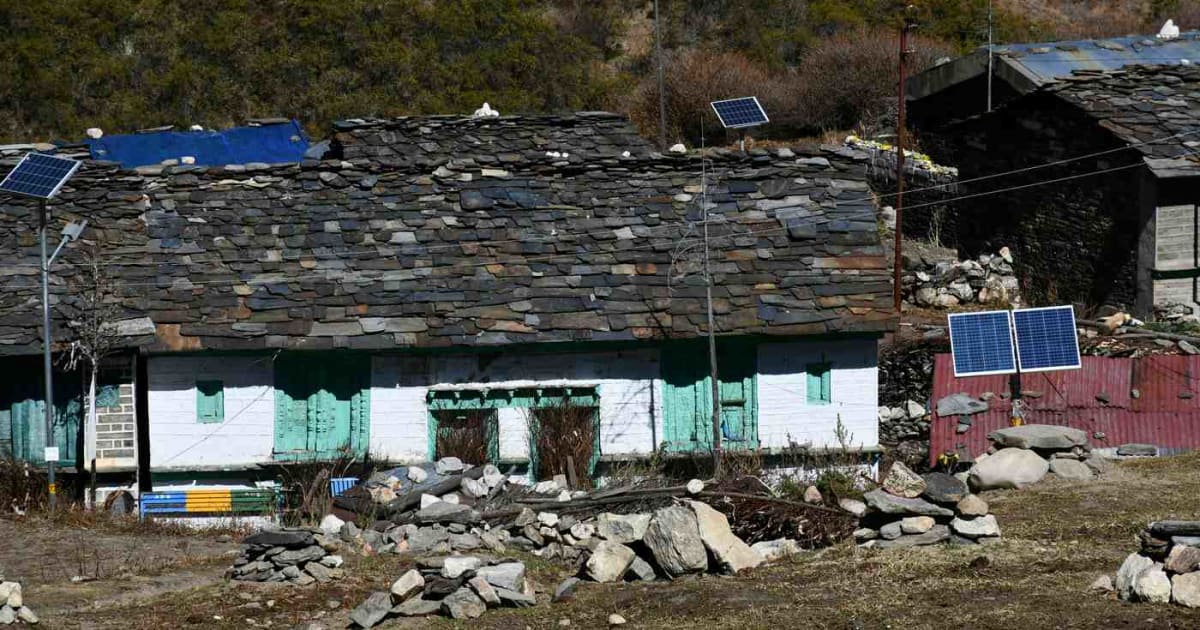
But Pakistani families found their own solution. They started installing solar panels on their rooftops, one household at a time.
The timing was perfect. A decade of Chinese investment had driven solar panel costs down dramatically, making them affordable for everyday people. What once seemed like an expensive luxury became a smart financial decision.
"People realized it was much cheaper to do a one-time investment in rooftop solar as opposed to keep paying high electricity bills from a grid that is also unreliable," says Nabiya Imran from Pakistani think tank Renewables First. The shift happened fast.
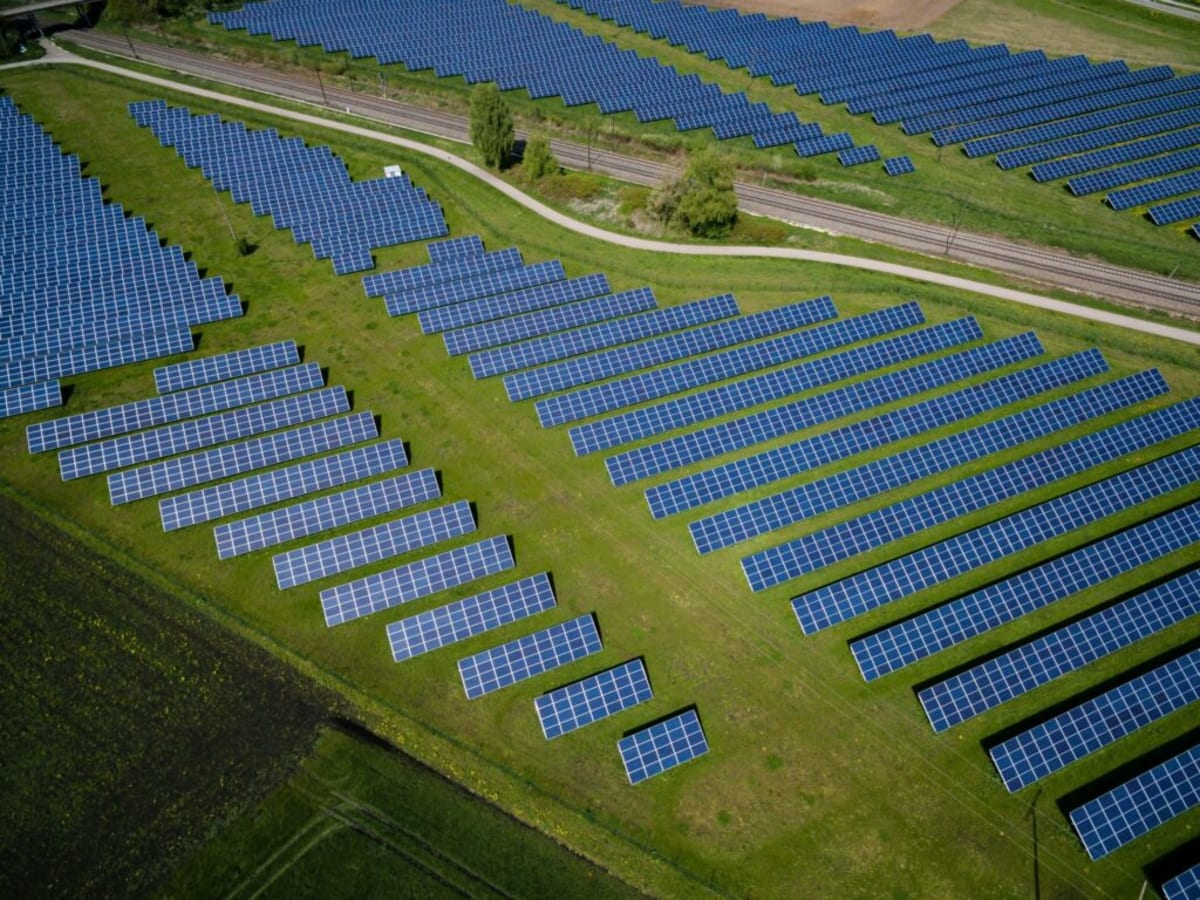
Today, rooftop solar panels generate one-fifth of Pakistan's total electricity supply. That's power for 150 million people, generated right where they live.
The benefits went beyond keeping the lights on. As of February 2025, Pakistan has avoided $12 billion in oil and gas imports thanks to solar electricity. The country even had to divert liquified natural gas shipments from Qatar because demand had dropped so much.
When conflict erupted in the Persian Gulf recently and oil prices spiked above $100 per barrel, Pakistan's solar panels became a shield. While other nations scrambled for energy supplies, Pakistani households kept running on sunshine.
The Bright Side
Energy finance specialist Haneea Isaad calls distributed solar "a blessing for Pakistan" that prevented immediate supply crunches. Pakistan now serves as proof that renewables protect countries from fossil fuel dependence.
The transformation happened purely through private investment, with no government mandate required. Families simply did the math and chose solar because it made economic sense.
For a country that once spent 10% of its GDP on fossil fuel imports, solar power isn't just about climate change anymore. It's about energy security and economic survival.
Experts predict even more Pakistani families will adopt solar panels as global energy markets remain unstable. Some utility providers are now adding battery storage to handle evening peak hours, making the solar revolution even more reliable.
What started as a crisis response has become a national energy transformation, proving that sometimes the best solutions come from the ground up.
More Images
Based on reporting by Good News Network
This story was written by BrightWire based on verified news reports.
Spread the positivity!
Share this good news with someone who needs it