Colossal Biosciences Targets Parasite, Saves Endangered Species
A company known for bringing back extinct animals is now using its genetic tools to eliminate a dangerous flesh-eating parasite while banking the DNA of every endangered species in America. The dual mission could protect both livestock and wildlife for generations.
The same technology designed to resurrect woolly mammoths is now being deployed to save thousands of living species and stop a parasite that's threatening America's cattle industry.
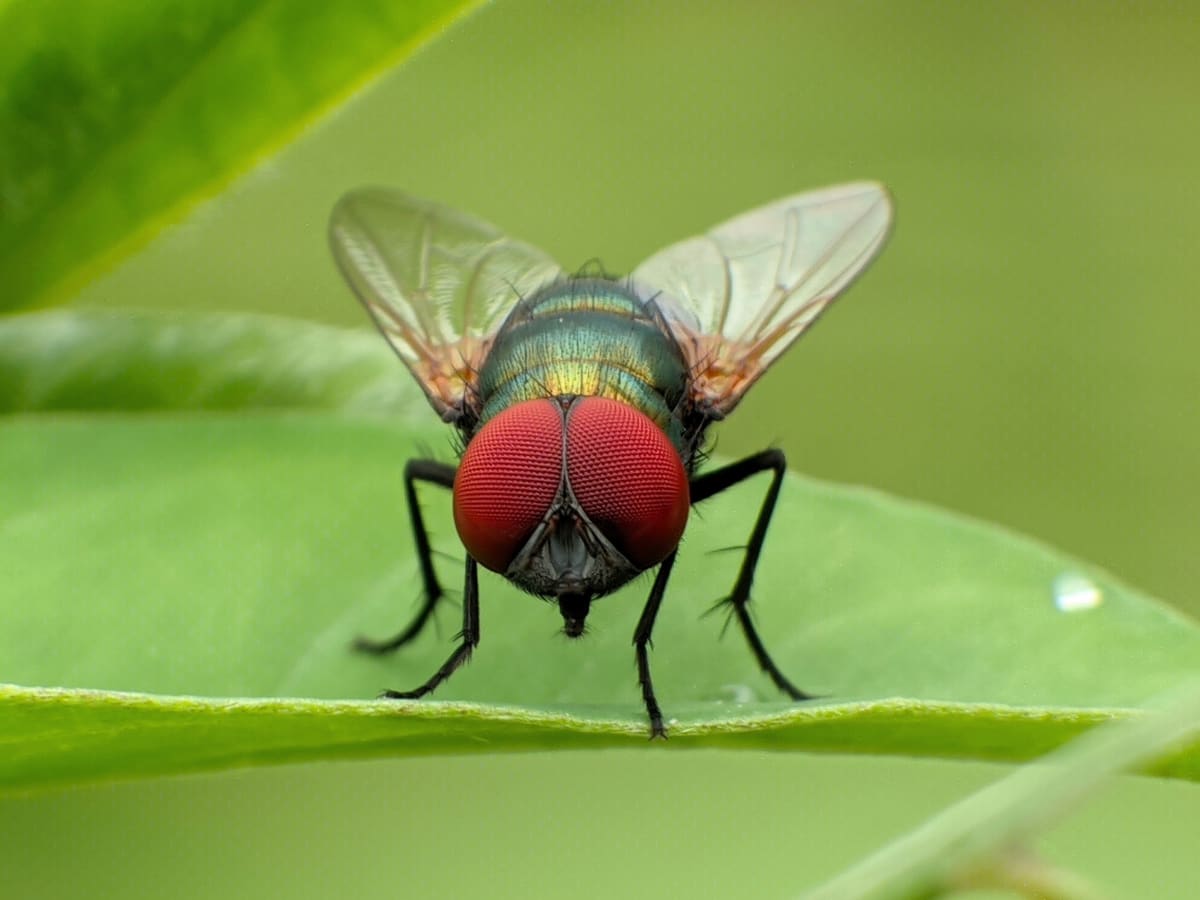
Colossal Biosciences announced two groundbreaking projects this month. One aims to eliminate the New World screwworm, a flesh-eating fly that returned to Texas after 60 years of absence. The other will preserve the genetic blueprints of every endangered animal on the U.S. list.
The timing couldn't be more urgent. On June 3, 2026, officials confirmed screwworm in a Texas calf for the first time since the pest was eradicated in 1966. The parasite lays eggs in open wounds, and the hatched larvae burrow into living tissue, causing severe damage to livestock and occasionally pets or people.
For 70 years, the solution has been releasing 100 million sterile flies every week across the United States and Mexico. It works, but it never stops.
Colossal's approach uses a gene drive, a CRISPR-based tool that spreads a trait to nearly every offspring instead of just half. The company engineered flies carrying a female infertility gene that passes through generations, collapsing the population naturally over time.
"We started saying this approach could be an amazing model to deploy that type of technology for the first time," said Matt James, Colossal's Chief Animal Officer. Instead of releasing 100 million flies weekly forever, the gene drive program might need just a few million flies released a handful of times.
The company is currently testing the technology on related fly species while waiting for federal permits to work directly with screwworm. Their goal is to track how quickly the gene spreads and measure its effectiveness in the field within months.
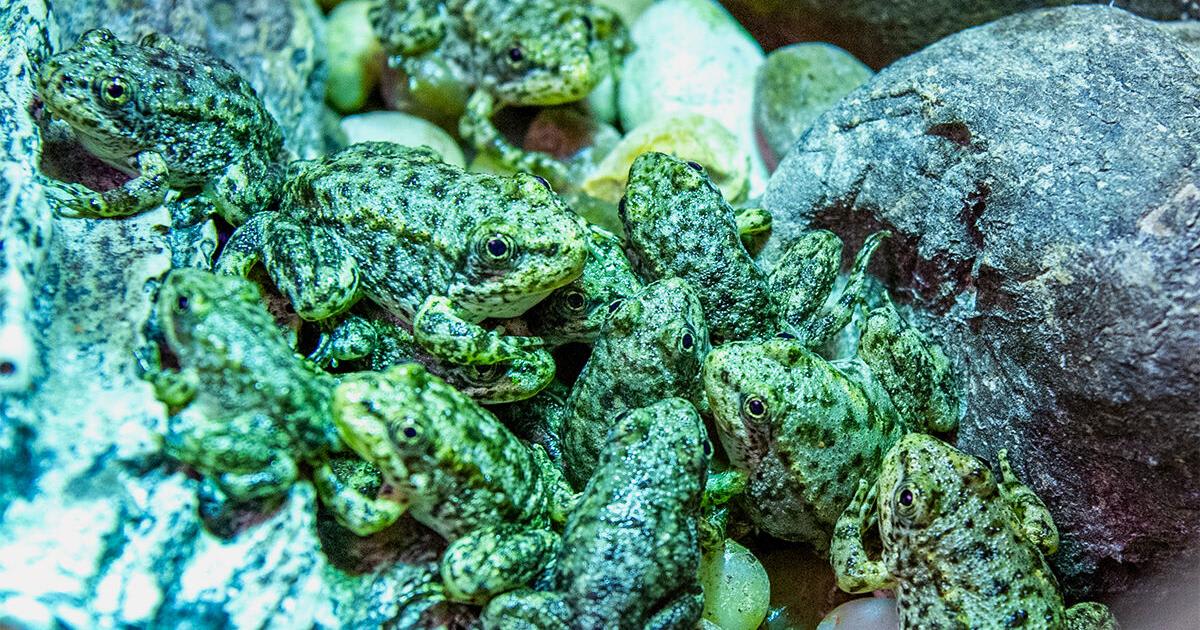
Meanwhile, Colossal is preparing a partnership with the U.S. Fish and Wildlife Service to biobank every species on the Endangered Species Act list. This means collecting tissues and cells, sequencing DNA, and freezing everything to preserve genetic diversity.
The frozen material could one day refresh struggling populations or even restore species that have disappeared. It's part of Colossal's BioVault initiative, which the company calls the world's largest distributed biobanking effort.
The Ripple Effect
The technology represents a new chapter in conservation. Instead of watching species decline or fighting parasites indefinitely, scientists now have tools to act decisively.
Gene drives remain controversial, and no regulator has approved one for open release in the United States yet. Questions about ecological effects persist, even for eliminating parasites.
But the potential is enormous. A single breakthrough in genetic biocontrol could protect billions of dollars in agriculture while the biobanking program ensures no species disappears without a backup plan.
These twin efforts show how the same technology can both erase threats and preserve treasures, giving conservationists powerful new weapons in the fight to protect life on Earth.
Based on reporting by Google: species saved endangered
This story was written by BrightWire based on verified news reports.
Spread the positivity!
Share this good news with someone who needs it