Comet PanSTARRS May Be Visible Without Telescope Mid-April
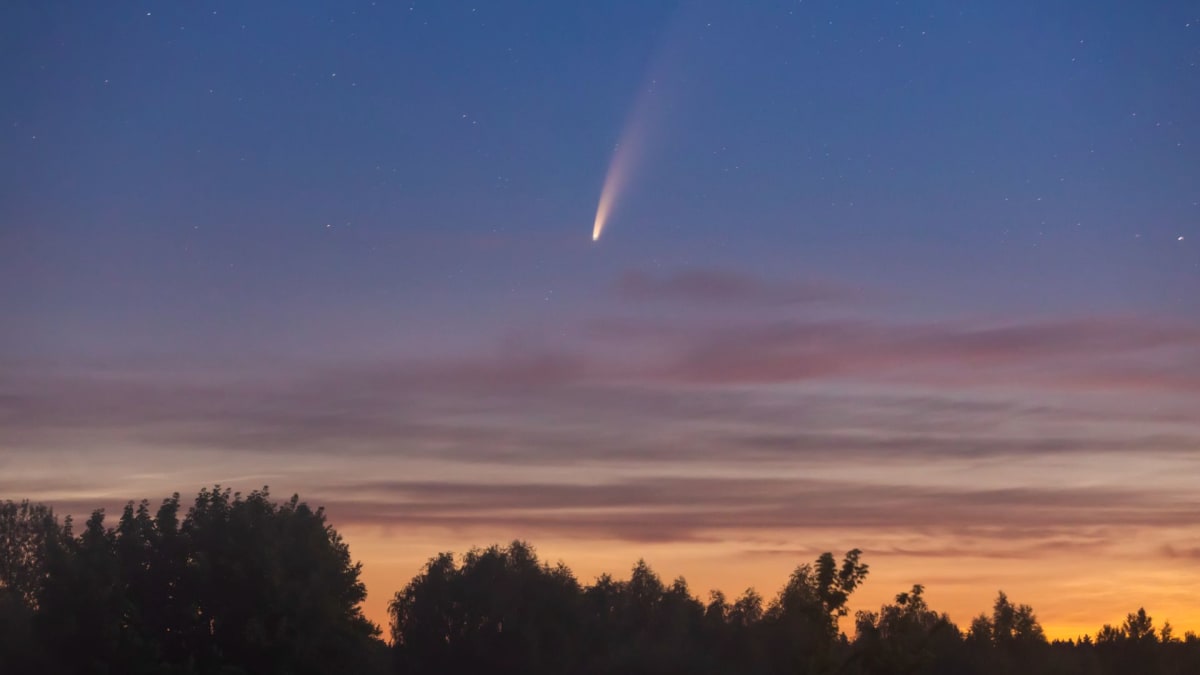
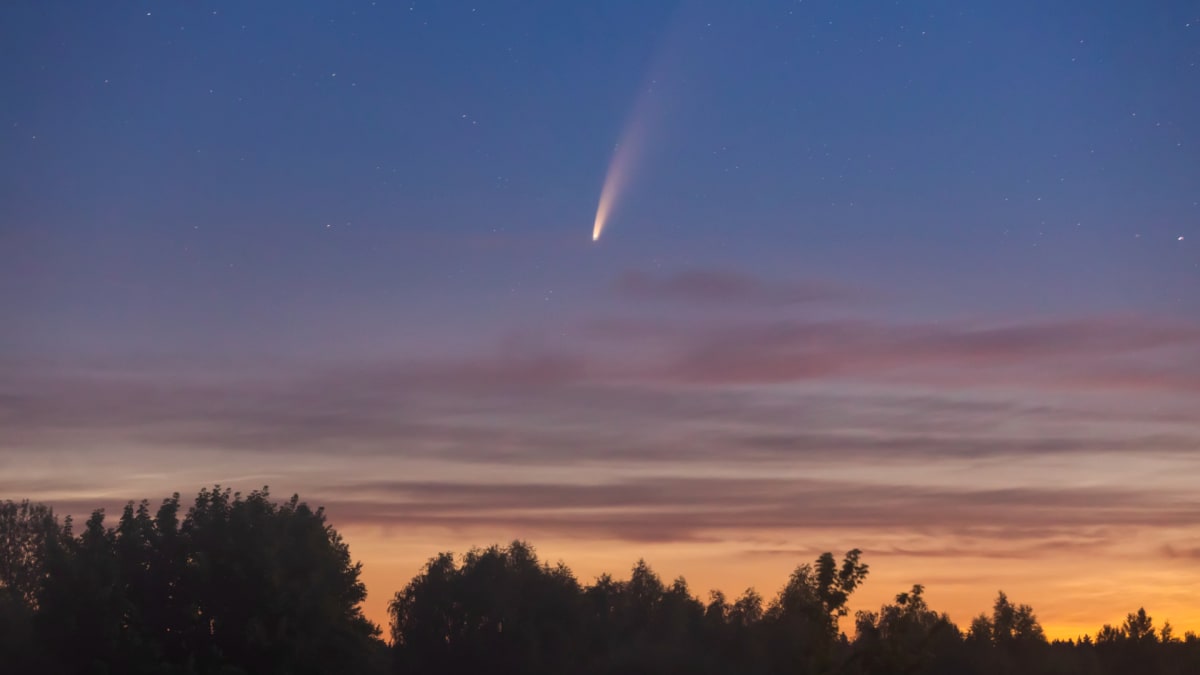
A rare comet could brighten enough for people to see with their naked eyes or binoculars this month, offering early risers an exciting celestial show. The comet reaches its brightest points between April 20 and 27.
Nature is about to offer skywatchers a rare treat that doesn't require expensive equipment or special training to enjoy.
Comet C/2025 R3 (PanSTARRS) is currently brightening as it journeys toward the sun, and astronomers believe it could become visible without a telescope in mid-April. Early April observations put the comet at magnitude 6, right at the edge of what human eyes can detect in very dark skies.
The comet is expected to reach magnitude 4 in the coming weeks, making it much easier to spot. Even if clouds roll in or city lights interfere, the comet should at least be visible through basic stargazing binoculars.
The best viewing window runs from April 13 to 15, when the comet will appear near the Great Square of Pegasus just above the eastern horizon about an hour before sunrise. A new moon on April 17 means darker skies and better viewing conditions leading up to the comet's closest approach to the sun.
On April 20, the comet will reach perihelion, passing within 47.4 million miles of the sun. This close encounter typically triggers increased activity as ice on the comet turns to gas, creating the glowing tail that makes comets so magical to observe.
The comet will make its nearest pass to Earth on April 27, coming within 44 million miles of our planet. However, by that date it may be partially hidden in the sun's glare despite being at peak brightness.
Why This Inspires
This celestial event reminds us that wonder is still accessible to everyone. You don't need a PhD in astronomy or a thousand-dollar telescope to witness something extraordinary.
The timing feels especially meaningful after Comet MAPS recently vaporized when it flew too close to the sun, disappointing hopeful observers. PanSTARRS is far less likely to break up, giving people a second chance at cosmic wonder this spring.
While comet behavior remains unpredictable, current data suggests this is an opportunity worth setting an alarm for.
Look up this month and you might just catch a traveler from the outer solar system putting on a show.
More Images

Based on reporting by Live Science
This story was written by BrightWire based on verified news reports.
Spread the positivity!
Share this good news with someone who needs it