How Humans Adapted to Survive Earth's Harshest Places
From the oxygen-thin peaks of the Himalayas to the crushing depths of ocean floors, human bodies have evolved remarkable abilities to thrive where other species can't. Scientists are uncovering how these adaptations reveal the incredible flexibility built into our biology.
Your body can transform itself to survive in places that would kill most other creatures, and scientists are finally understanding how.
Humans are the only primates living permanently on every continent except Antarctica. That's not because we're tougher than other species, but because our bodies can adapt in ways no other animal can match.
Take the Bajau people of Southeast Asia. These "sea nomads" spend up to five hours a day underwater, diving for fish without any equipment. Researchers discovered their spleens are actually 50% larger than average, storing extra oxygen-rich blood cells that let them hold their breath longer.
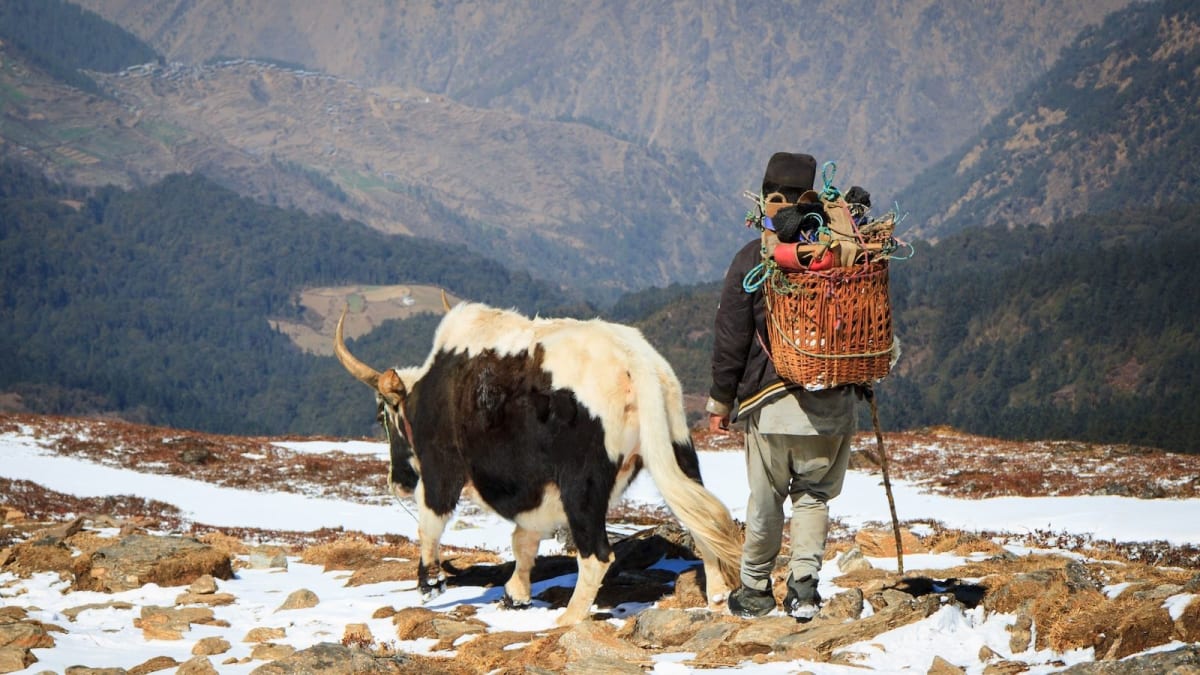
In the Himalayas, people living above 13,000 feet face air so thin it would leave most of us gasping. Over thousands of years, their bodies developed unique blood chemistry. Instead of producing more red blood cells like visitors do (which thickens blood dangerously), Himalayan highlanders process oxygen more efficiently with normal blood cell counts.
Even our ability to speak came from biological adaptation, though it carries a surprising cost. Our voice boxes sit lower in our throats than any other mammal's, creating the space needed to form complex words. That same design makes us uniquely vulnerable to choking, killing over 5,000 Americans yearly.
Why This Inspires
These adaptations show that human diversity isn't just skin deep. Each population carries solutions to environmental challenges their ancestors faced, written into their DNA over countless generations.
The research matters beyond pure science. Understanding how bodies adapt to altitude helps doctors treat lung conditions. Studying the Bajau's diving abilities could improve treatments for people with oxygen-processing disorders.
What makes us human isn't one perfect design, but our species' ability to develop countless variations on the same basic blueprint. Where other animals either adapt or go extinct, we've found ways to thrive almost anywhere Earth offers.
The next time you meet someone whose ancestors climbed mountains or dove oceans, remember: their body carries ancient wisdom about survival that science is only beginning to decode.
More Images

Based on reporting by Live Science
This story was written by BrightWire based on verified news reports.
Spread the positivity!
Share this good news with someone who needs it