Community-Led Carbon Projects Show Promise in Global South
A new report reveals that locally owned carbon offset projects, when done right, can benefit communities while protecting the climate. The key is genuine ownership, informed consent, and communities making their own decisions.
Imagine communities controlling their own climate solutions instead of watching outsiders buy up their land. That's the hopeful alternative emerging from a new analysis of carbon offset projects worldwide.
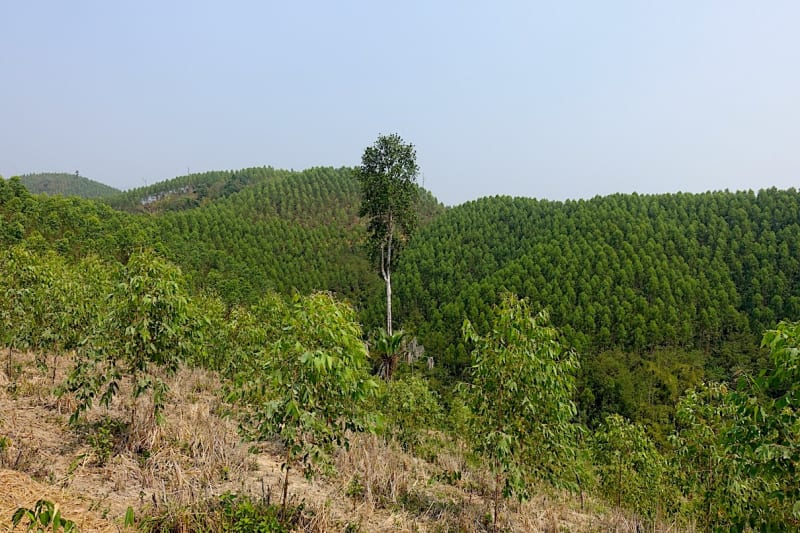
The Land Matrix Initiative recently documented how large companies have acquired 9 million hectares of land in developing countries for carbon offset projects. That's an area larger than Portugal, often purchased in regions with weak land protections.
But the report doesn't just highlight problems. It points to a better path forward: community-based carbon projects where local people maintain ownership and control.
These community-led projects aren't perfect or risk-free. Some still involve complicated contracts, restrictions on how people can use their land, or benefits that don't materialize as promised. The researchers acknowledge these challenges openly.
Yet when done properly, they offer something fundamentally different. Communities get to decide whether they want to participate at all. They retain ownership of their resources. They negotiate terms that work for their needs.
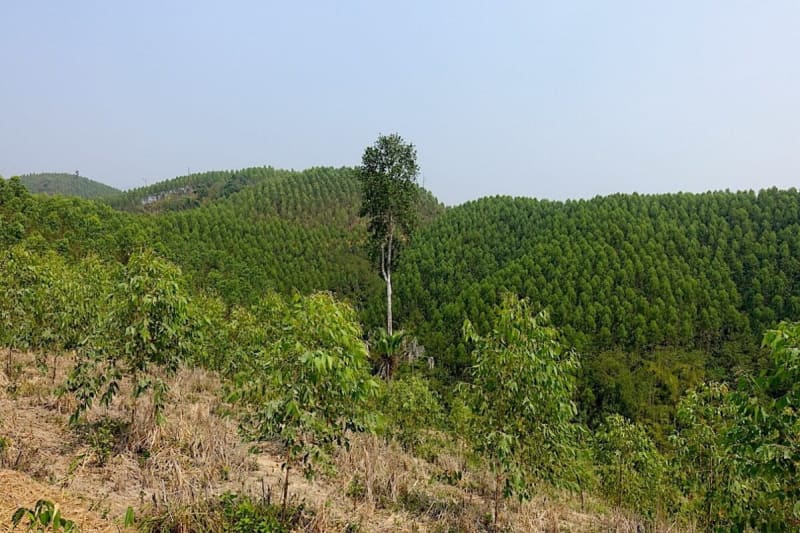
The researchers studied one such project in Madagascar called iTERAKA. They interviewed 167 households, including 94 participating in the program, without any company involvement. What they found contradicted some circulating criticisms.
Farmers weren't prohibited from speaking to journalists or researchers. They could leave the project anytime without penalty. The contract explicitly protected these rights.
Whether the financial benefits will pan out long term remains an open question. Success depends on farmers successfully planting trees and future carbon prices staying stable.
Why This Inspires
This research matters because it refuses to accept a false choice. We don't have to pick between harmful land grabs and abandoning climate action in the Global South entirely.
When communities have genuine ownership and self-determination over carbon projects, they can participate in climate solutions on their own terms. That's not naive optimism. It's a practical framework backed by field research.
The report emphasizes that transparency, strong land governance, and accountability must come first. Free, prior and informed consent isn't just a checkbox. It's the foundation that makes these projects work for people, not just corporations.
Climate justice requires listening to the communities most affected by both climate change and climate solutions. This research shows what happens when we actually do that. Communities reveal what they need, what they'll accept, and what crosses the line.
The path forward centers local voices, protects land rights, and ensures communities control their own futures while contributing to global climate goals.
More Images



Based on reporting by Mongabay
This story was written by BrightWire based on verified news reports.
Spread the positivity!
Share this good news with someone who needs it