Complete Byzantine City Uncovered in Egypt's Dakhla Oasis
Archaeologists just discovered an entire 1,600-year-old city in Egypt's desert, complete with a church, homes, and even ancient shopping lists. The find offers a rare window into everyday life during the Byzantine era.
A team of Egyptian archaeologists has unearthed a complete residential city from the Byzantine period in the Dakhla Oasis, revealing how families lived, worked, and worshipped nearly two millennia ago.
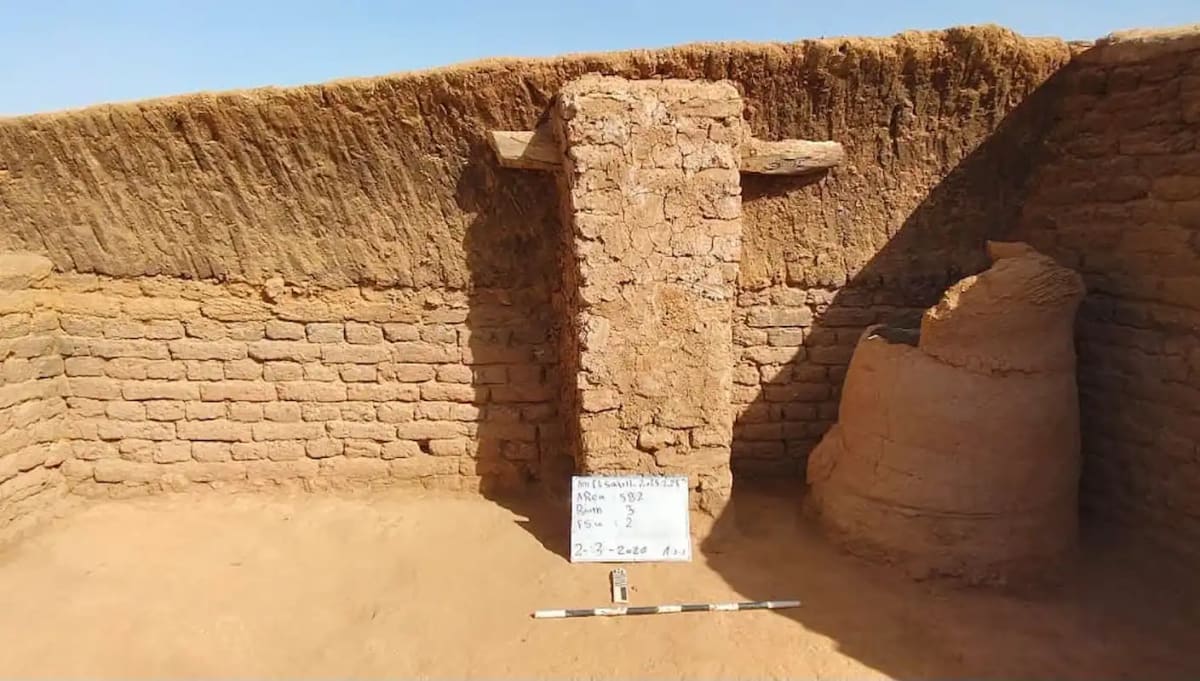
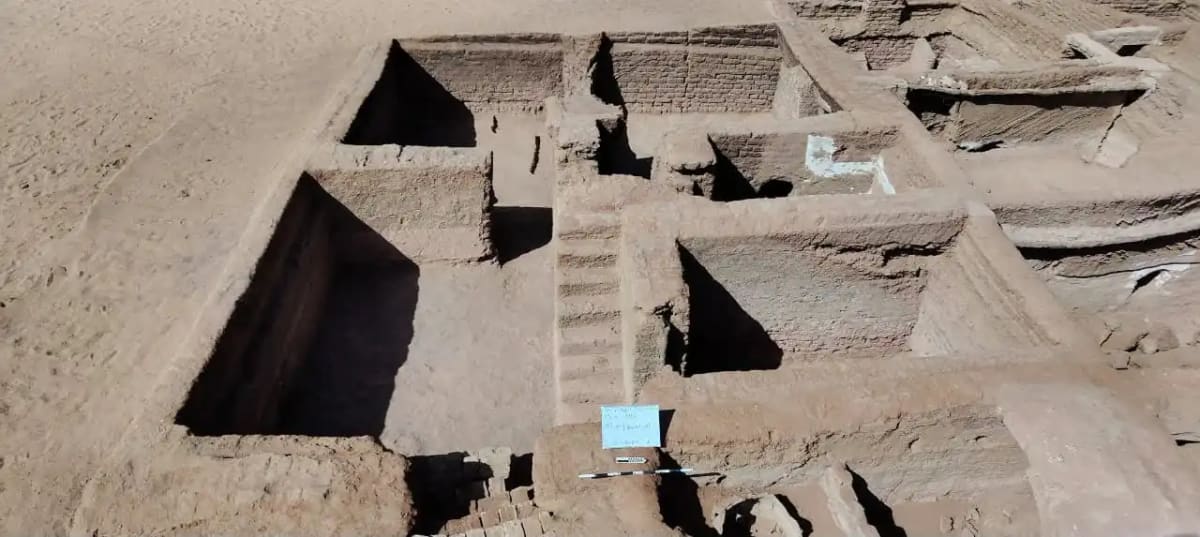
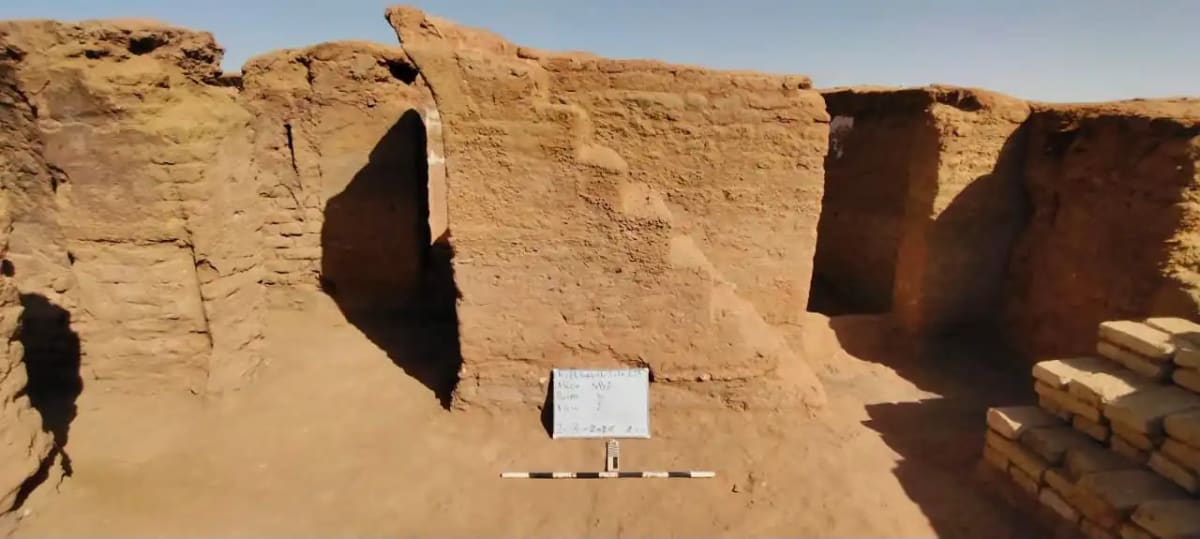
The discovery at Ain el-Sabil includes everything a thriving community needed. A basilica church from the mid-fourth century AD sits at the heart of the settlement, surrounded by main roads running north to south and cross streets heading east to west.
The city's layout shows careful planning rather than random growth. Watchtowers stood at opposite ends of the settlement, while a thick-walled fortress protected residents from potential threats common during that turbulent period of history.
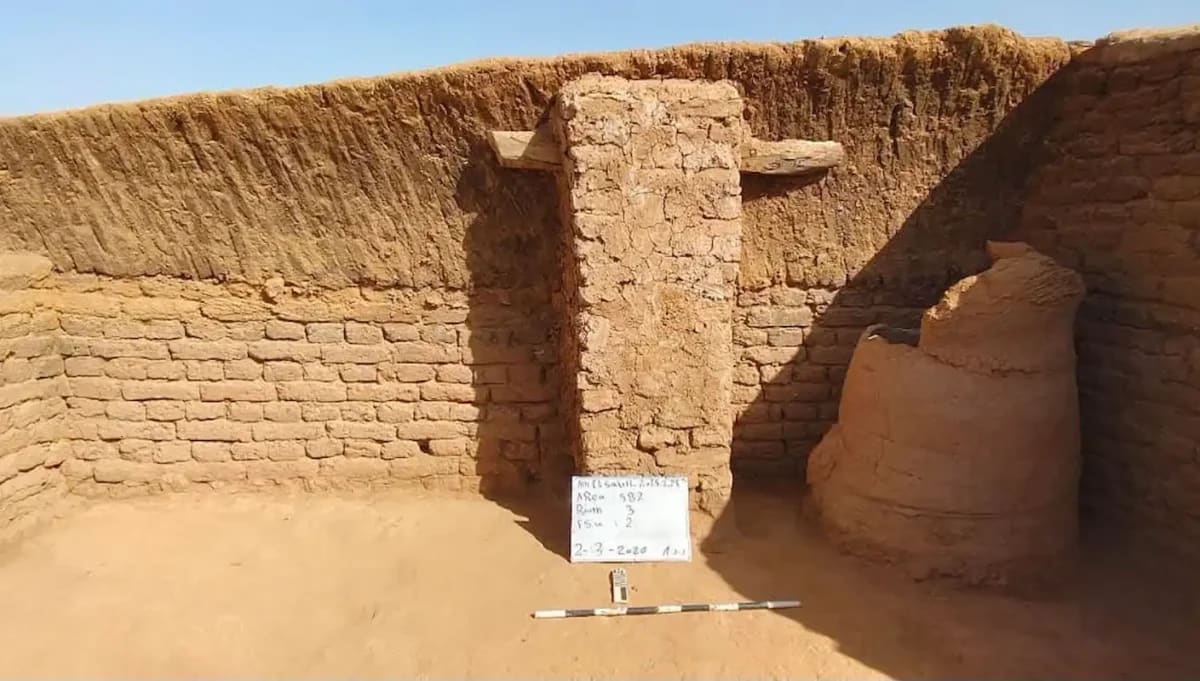
Archaeologists uncovered houses with vaulted ceilings, bread ovens, kitchens, and tools for grinding grain. Two particularly notable homes belonged to Tisus, a church deacon, and Tabipus, whose residence may have served as a house church before the basilica was built.
The everyday items tell the most fascinating stories. Ceramic containers for cooking, small bottles for oils and perfumes, and oil lamps for lighting paint a picture of domestic life in the fourth century AD.
Why This Inspires
Perhaps the most exciting finds are about 200 ostraca, ancient writing tablets with messages in Coptic and Greek. These aren't grand historical proclamations but shopping receipts, personal letters, and daily transaction records that survived 1,600 years in the desert sand.
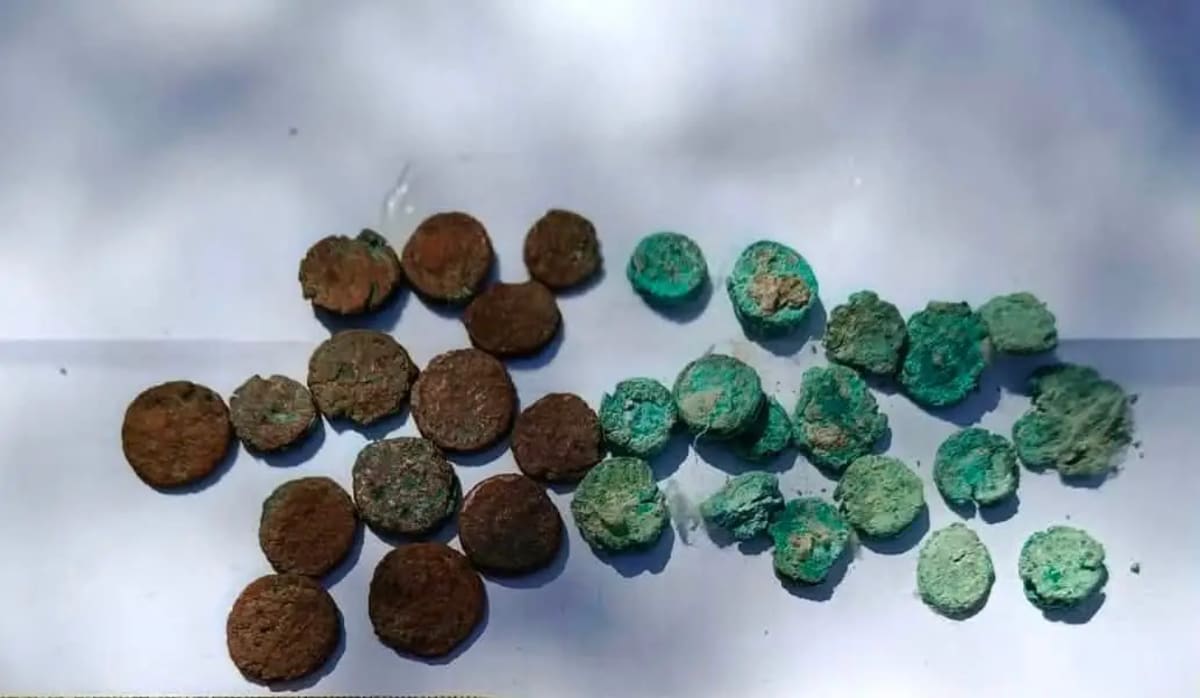
The team also recovered bronze coins in excellent condition showing Byzantine emperors, along with gold coins from Emperor Constantius II's reign between 337 and 361 AD. Christian symbols and Latin inscriptions mark many of the coins.
This discovery adds crucial details about how diverse communities thrived in Egypt's oases during the Byzantine period. The mix of languages, currencies, and architectural styles shows a cosmopolitan population navigating daily life with the same concerns we face today: food, shelter, communication, and community.
The find enriches Egypt's archaeological record while supporting efforts to develop the region's cultural tourism. Minister of Tourism and Antiquities Sherif Fathi emphasized how discoveries like this highlight the rich cultural diversity that characterized Egyptian oases throughout history.
The mudbrick buildings, preserved by the desert climate, offer researchers unprecedented insight into urban planning, social hierarchies, and economic life during Late Antiquity. Every artifact and structure helps piece together how this desert community organized itself, defended its people, and maintained its identity at the edges of the Byzantine Empire.
Sometimes the most powerful historical discoveries aren't golden treasures but the ordinary remnants of ordinary lives, reminding us that human connection and community have always mattered most.
More Images
Based on reporting by Google: archaeological discovery
This story was written by BrightWire based on verified news reports.
Spread the positivity!
Share this good news with someone who needs it