Continental Eliminates Coal From All Tire Plants Worldwide
German tire manufacturer Continental has completely phased out coal and fuel oil from its global production facilities, cutting greenhouse gas emissions by over 70% since 2019. The shift affects all 22 of its Mexican plants and marks a major milestone in making tire manufacturing cleaner.
One of the world's largest tire makers just proved that heavy industry can ditch fossil fuels without shutting down production.
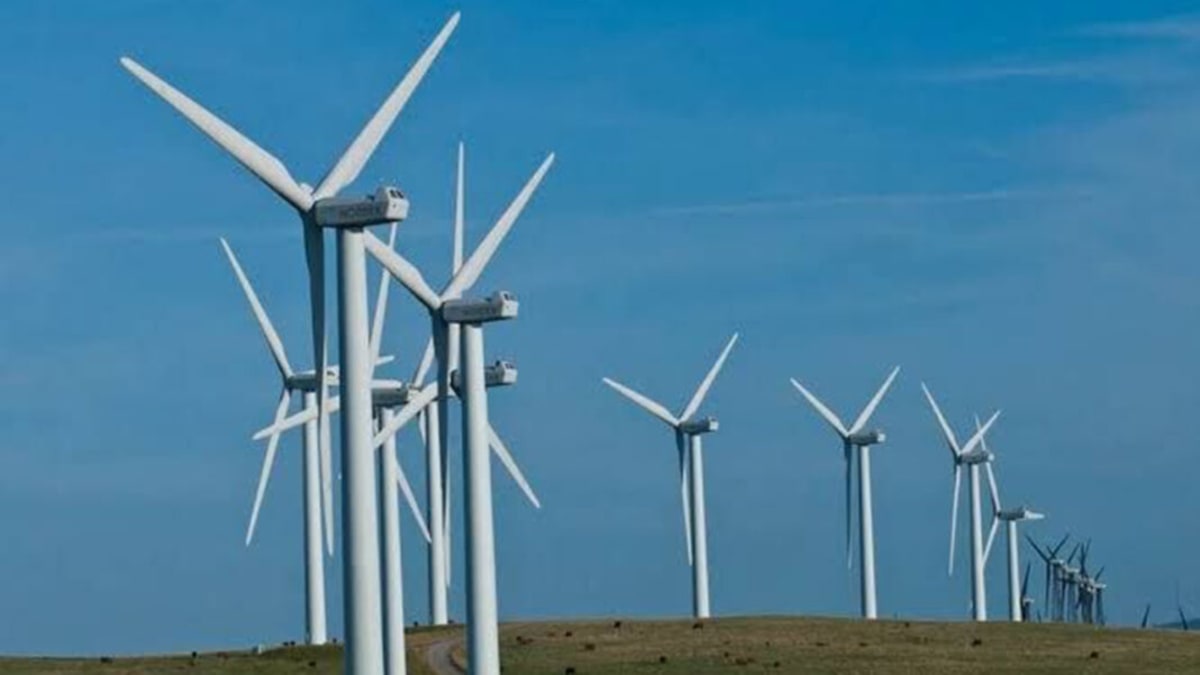
Continental announced it has eliminated coal and fuel oil from all its tire manufacturing plants worldwide, completing a transition that began in the early 2020s. The German company now powers its 22 Mexican facilities and plants across four continents using biomass, biogas, renewable electricity, liquefied petroleum gas, and natural gas.
The changes are already making a difference. Continental reports its tire production now generates 70% less greenhouse gas per tire compared to 2019 levels, preventing about 180,000 metric tons of carbon dioxide from entering the atmosphere over the past four years.
Just a few years ago, seven of Continental's 19 tire plants still burned coal or fuel oil to create the steam needed for manufacturing. Today, every single facility runs on cleaner alternatives tailored to local resources and infrastructure.
The company took different approaches at different sites. In Gqeberga, South Africa, workers replaced coal boilers with biomass and LPG systems. The Kalutara plant in Sri Lanka installed a second biomass boiler to phase out fuel oil completely. In Otrokovice, Czech Republic, Continental partnered with a regional energy supplier to switch to biomass and natural gas.
"By relying on an intelligent combination of energy sources, increasingly renewable and where possible generated directly on site, we are making our manufacturing more independent and therefore more resilient," said Bernhard Trilken, Continental's senior vice president of manufacturing and logistics for tires.
The Ripple Effect
Continental isn't alone in greening tire production in Mexico. Bridgestone cut water consumption by 19% at its facilities and now diverts 96% of waste from landfills at its Cuernavaca plant, which includes a complete water treatment system. Michelin launched its Primacy 5 tire in Mexico last year with a 6% smaller environmental footprint and an 18% longer lifespan than previous models.
The tire industry's shift matters because tires are essential to modern transportation, but their production has traditionally been energy intensive. As these manufacturers prove cleaner production works at scale, they're setting a template other industries can follow.
Continental's climate work earned it an A- rating from CDP, an organization that evaluates companies on environmental transparency and action. The company achieved this without sacrificing production capacity, showing that environmental progress and industrial strength can grow together.
Heavy industry is cleaning up its act, one factory at a time.
Based on reporting by Google News - Emissions Reduction
This story was written by BrightWire based on verified news reports.
Spread the positivity!
Share this good news with someone who needs it