Cosmic Jellyfish Galaxy Reveals Early Universe Secrets
The James Webb Space Telescope captured a stunning "cosmic jellyfish" galaxy that's rewriting what scientists thought they knew about how galaxies evolved 8.5 billion years ago. The discovery shows the early universe was far more dynamic than expected.
Scientists just got a glimpse into the teenage years of our universe, and it's more dramatic than anyone expected.
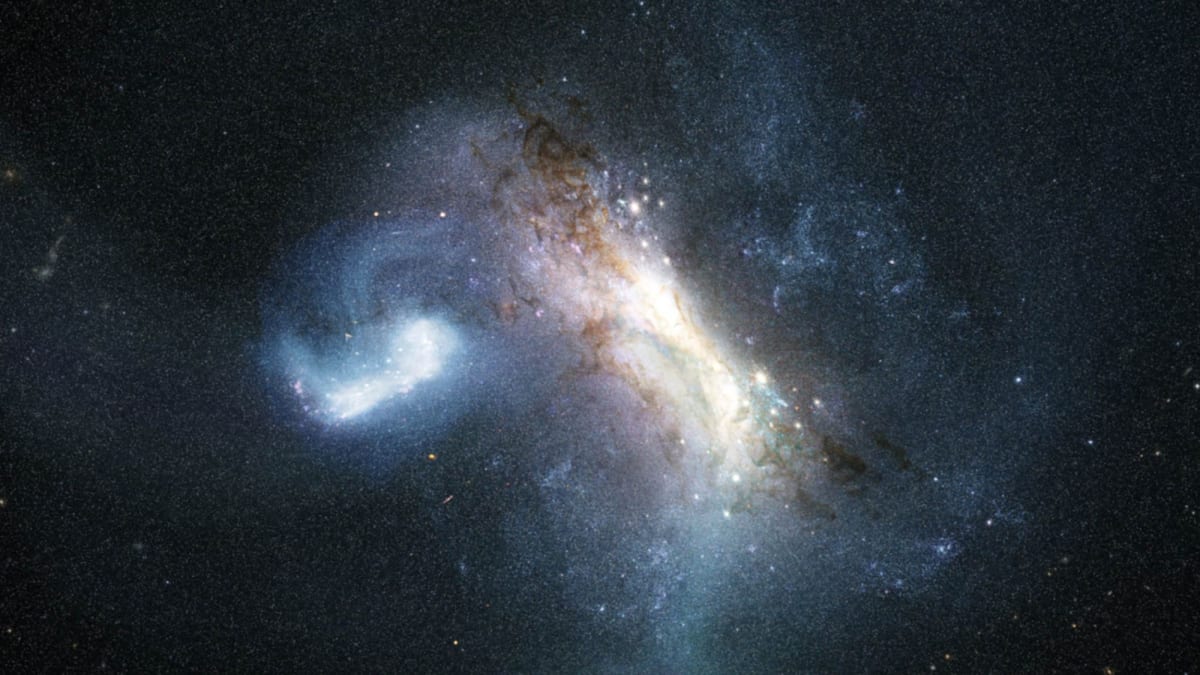
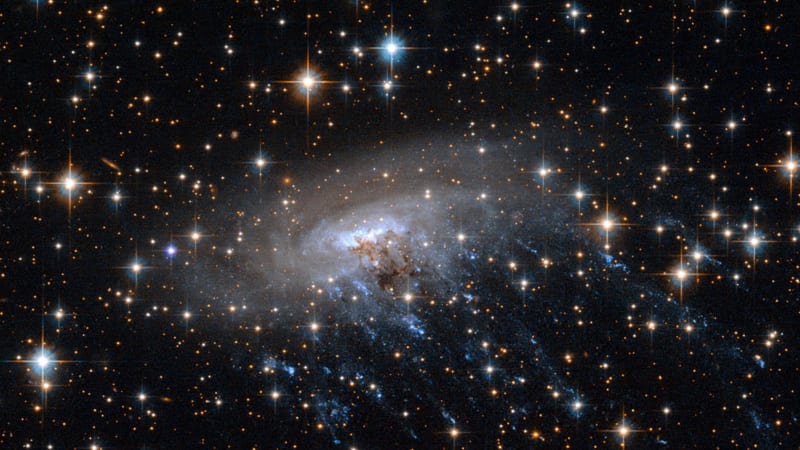
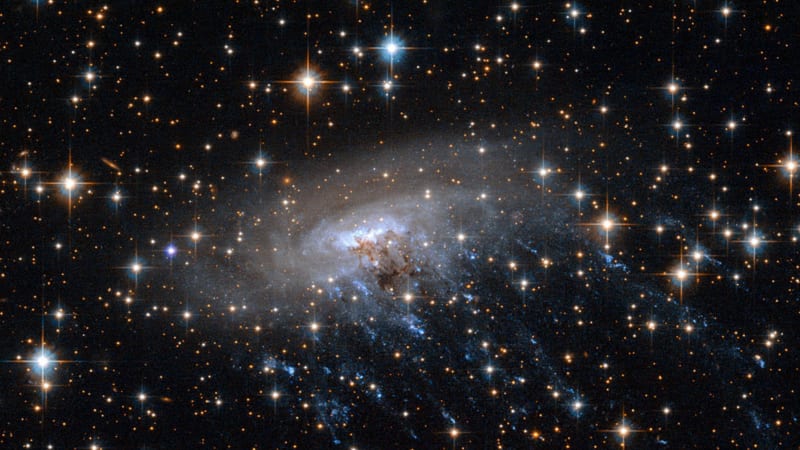
The James Webb Space Telescope captured a breathtaking image of ESO 137-001, nicknamed the "cosmic jellyfish" for its long, glowing tendrils of gas and stars. This galaxy existed 8.5 billion years ago, just 5.3 billion years after the Big Bang.
Jellyfish galaxies get their name from trailing arms of gas that look like tentacles floating through space. These tendrils form when the galaxy "swims" through powerful winds in its cluster, a process called ram-stripping that pushes gas out from the main disk.
Researchers at the Waterloo Centre for Astrophysics stumbled upon ESO 137-001 while searching through data from a clear patch of sky called the COSMOS field. This region sits away from the bright clutter of our Milky Way, making it perfect for spotting ancient galaxies.
The image reveals bright blue knots dotting the jellyfish's tendrils. These are clusters of young stars born outside the main galaxy, forming in the stripped gas itself.
But here's the real surprise. Scientists previously believed that galaxy clusters from 8.5 billion years ago weren't powerful enough to create ram-stripping. This discovery proves the early universe was already producing the intense conditions needed to reshape galaxies.
Why This Inspires
This finding changes our understanding of cosmic history. The fact that galaxy clusters were already harsh environments billions of years ago means they played a bigger role in transforming galaxies than we realized.
Ian Roberts, a team member, explained that this early transformation might help explain why we see so many "dead" galaxies in clusters today. The universe was sculpting galaxies into their final forms much earlier than expected.
The team plans to continue studying ESO 137-001 to unlock more secrets about how galaxies evolved during the universe's formative years. Each new discovery brings us closer to understanding our cosmic origins and the forces that shaped the universe we see today.
More Images


Based on reporting by Space.com
This story was written by BrightWire based on verified news reports.
Spread the positivity!
Share this good news with someone who needs it