Costa Rica Forests Sound Like Life Is Thriving Again
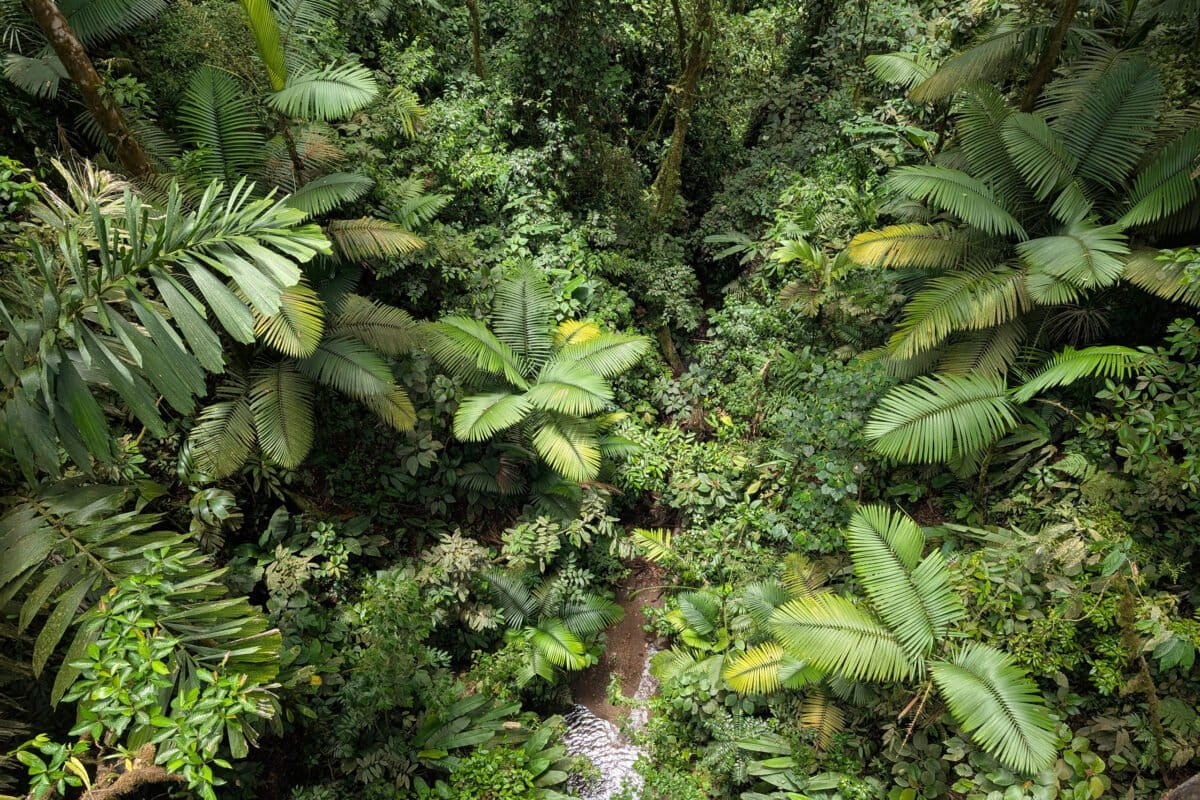
Scientists used microphones to prove that Costa Rica's protected forests aren't just greener—they're alive with returning wildlife. The sounds of regenerated forests now match those of healthy, protected areas.
Imagine being able to hear whether a forest is truly healthy, not just green from space. Scientists in Costa Rica just proved you can, and the results are music to conservationists' ears.
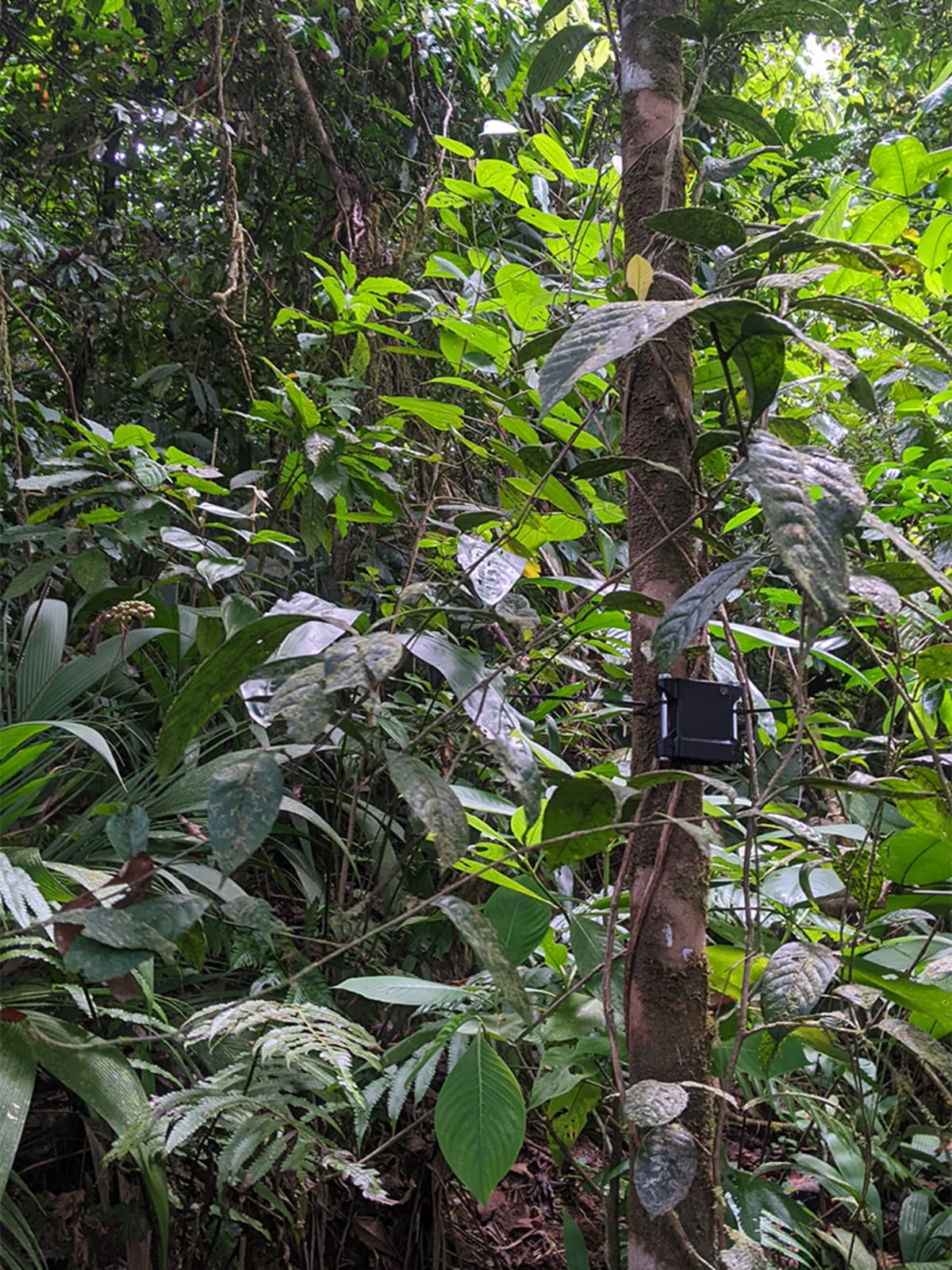
Giacomo Delgado and his team from ETH Zürich placed microphones across 119 sites in northwestern Costa Rica, recording over 16,000 hours of forest sounds. They were testing whether forests recovering under Costa Rica's groundbreaking payment for ecosystem services (PES) program are actually bringing back wildlife, not just trees.
The answer? These regenerated forests sound remarkably similar to protected forests that have been healthy for decades.
Costa Rica lost half its forests between 1950 and 1995, mainly to cattle ranching and farming. But in 1997, the country launched one of the world's first national PES programs, paying landowners to protect and restore forests instead of clearing them. The program has now covered over 3.2 million acres.
Satellite images can show us that trees are growing back. But they can't tell us if birds are nesting, frogs are calling, or insects are buzzing through the canopy. That's where sound comes in.
"A doctor has listened to many people's hearts and knows what healthy hearts sound like," Delgado explains. His team did the same with forests, learning to recognize the acoustic fingerprint of thriving ecosystems.
Healthy forests explode with sound at sunrise and sunset, when wildlife is most active. Pastures stay relatively quiet, with their loudest moments happening midday when humans are working. The team found that naturally regenerated forests—abandoned pastures that grew back on their own over 25 to 42 years—now produce those distinctive dawn and dusk choruses.
These recovering forests were 1.4 times more acoustically similar to protected forests than to pastures. Even monoculture timber plantations showed some recovery, though Delgado notes they can feel "eerily quiet" compared to naturally regenerated areas.
The study sampled 50 naturally recovering forests, comparing their soundscapes across different times of day and measuring the diversity of pitches and species creating the chorus. The consistency of the results suggests that Costa Rica's investment in forest protection is paying dividends beyond what satellite images can capture.
The Ripple Effect
This acoustic approach could transform how countries measure conservation success worldwide. Traditional biodiversity assessments require expensive, time-consuming field surveys that are difficult to scale across large areas. Sound monitoring is noninvasive, relatively affordable, and can cover vast territories.
Laura Villalobos, an environmental economics professor at Salisbury University, points out that most forest restoration programs measure success simply by counting trees. This study proves we can do better, assessing whether recovered forests actually function as viable habitats for the species that depend on them.
For countries considering their own PES programs, Costa Rica's results offer compelling evidence that natural regeneration works when you give nature the time and protection it needs.
The forests are growing back, and now we know they're truly coming alive again.
More Images



Based on reporting by Mongabay
This story was written by BrightWire based on verified news reports.
Spread the positivity!
Share this good news with someone who needs it