Costa Rica Rescues Endangered Axolotls From Illegal Trade
Costa Rican authorities rescued critically endangered Mexican axolotls and turtles from suspected illegal wildlife trade, highlighting the country's commitment to protecting exotic species. The rescue shows how conservation efforts now extend beyond borders in the age of online animal trafficking.
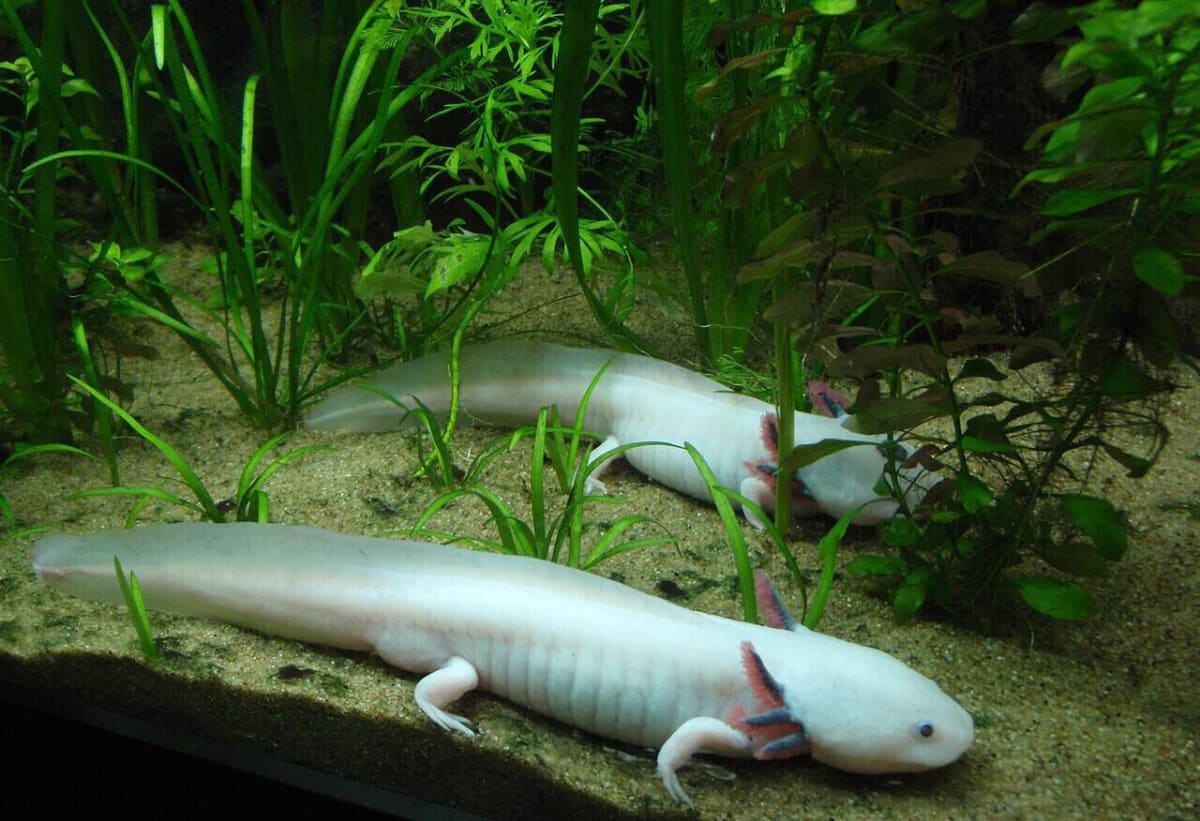
Costa Rican investigators rescued several critically endangered Mexican axolotls this week, pulling the charismatic salamanders from a suspected illegal wildlife operation in Paso Ancho.
The raid by Costa Rica's Organismo de Investigación Judicial (OIJ) began after a tip in July that exotic animals were being sold online. Authorities seized the axolotls, several turtles, and equipment used to house the animals, then transferred them to safety.
The rescue highlights an evolving conservation challenge. While Costa Rica is famous for protecting its monkeys, sloths, and sea turtles, authorities now also safeguard exotic species arriving through international pet markets increasingly conducted on social media and online marketplaces.
Axolotls have become internet celebrities, appearing in video games, toys, and viral social media posts. Their feathery external gills and perpetual "smile" make them irresistible to pet seekers worldwide. But their popularity masks a devastating reality: these aquatic salamanders are critically endangered in the wild, clinging to survival in just a few polluted canals near Mexico City.
International regulations control axolotl trade because their wild populations face extinction from habitat loss and pollution. Costa Rican law treats exotic wildlife with the same seriousness as native species, requiring permits and restricting commercial pet sales.
The Bright Side
This rescue demonstrates how conservation is adapting to modern threats. Traditional wildlife protection focused on preventing local poaching and habitat destruction. Now countries like Costa Rica are stepping up to combat digital marketplaces that can move endangered animals across continents with just a few clicks.
The confiscated animals will go to authorized sanctuaries where they'll receive proper care. This isn't Costa Rica's first axolotl rescue either. Last year, investigators saved two axolotls and 11 turtles from a business in Coronado, placing them in sanctuary care when release proved impossible.
These repeated rescues show authorities are learning to track exotic animal sales happening in the digital shadows. Each operation disrupts supply chains that exploit endangered species for profit and helps establish precedents for prosecuting online wildlife trafficking.
The case also protects buyers from unknowingly participating in illegal trade. Online marketplaces make it nearly impossible for animal lovers to verify if sellers have proper authorization or if animals were bred legally. Costa Rica's enforcement helps close these dangerous gaps.
As investigators continue their work, the rescued axolotls represent something larger: a country refusing to look away from suffering, even when it involves species from thousands of miles away.
More Images




Based on reporting by Tico Times Costa Rica
This story was written by BrightWire based on verified news reports.
Spread the positivity!
Share this good news with someone who needs it