Costa Rica Women Farmers Battle Climate Change With New Tools
Rural women in Costa Rica are transforming their farms and communities with water systems, sustainable practices, and shared knowledge. A UN-backed project is helping them adapt to climate shifts while feeding their families and neighbors.
Olga Vargas stood on her family's farm in southern Costa Rica and made a decision that would change everything: she would treat her soil like a living thing, not dirt.
For 15 years, Vargas has farmed in Ujarrás, a rural community in Buenos Aires de Puntarenas where poverty, climate change, and irregular rainfall collide. Like many women farmers in Costa Rica, she faced barriers to credit, training, and equipment even as temperatures rose and weather patterns became less predictable.
Then a United Nations project arrived with practical support. Vargas learned soil management techniques that helped her rethink her entire approach to farming.
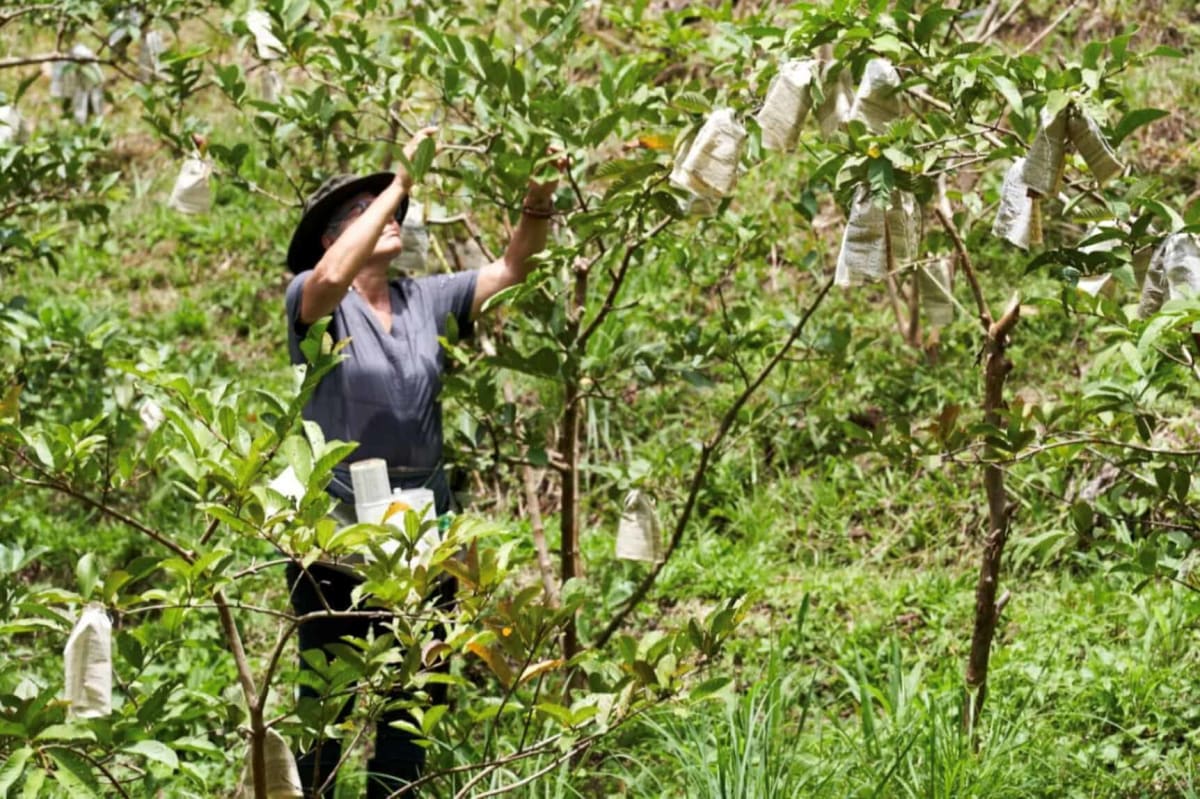
The training led to real infrastructure changes. A new irrigation system and water reservoir now let Vargas grow guavas year-round instead of gambling on seasonal rains. She expanded her orchard from 100 to 140 trees.
The water system opened another door. Vargas combined guava production with tilapia farming and aquaponics, reusing fish water to nourish her fruit trees. The setup conserves water, diversifies income, and feeds her family.
Her farm became a classroom. Vargas now hosts workshops where neighbors learn sustainable farming, water conservation, and soil care from someone who speaks their language and shares their struggles.
The project, called Empowering Communities in Sustainable Agri-Food Systems, works in two Costa Rican regions facing similar pressures. It's funded by the UN's Sustainable Development Goals Fund and partners with Costa Rica's agriculture and health ministries to address a stubborn gap: women represent a tiny fraction of formal farm producers despite doing much of the work.
The Ripple Effect
What happens on Vargas's farm matters beyond her family. When one farmer learns to harvest through drought, neighbors notice. When a woman gets irrigation equipment, other women see what's possible with the right tools.
Costa Rica's national food strategy for 2023 to 2026 puts women and youth at the center of building climate-resilient agriculture. The country recognizes that sustainable food systems don't start with policy papers but with farmers who know their land and need support to protect it.
In Buenos Aires, hotter temperatures and stronger storms have disrupted traditional growing cycles and increased crop pests. For women juggling farm duties and household responsibilities without land titles or bank loans, each climate shock hits harder.
Vargas's success shows what targeted investment unlocks. Training gave knowledge. Infrastructure gave control. Community workshops multiplied impact across farms.
As climate change reshapes what grows and when, small farms run by women who combine local wisdom with new techniques could become Costa Rica's frontline climate defense.
More Images




Based on reporting by Tico Times Costa Rica
This story was written by BrightWire based on verified news reports.
Spread the positivity!
Share this good news with someone who needs it