Costa Rica's 400 Sloth Bridges Cut Wildlife Injuries 82%
Simple rope bridges are saving sloths and reconnecting Costa Rica's rainforest, one crossing at a time. Camera traps reveal these $200 installations are creating highways in the sky for some of the world's slowest creatures.
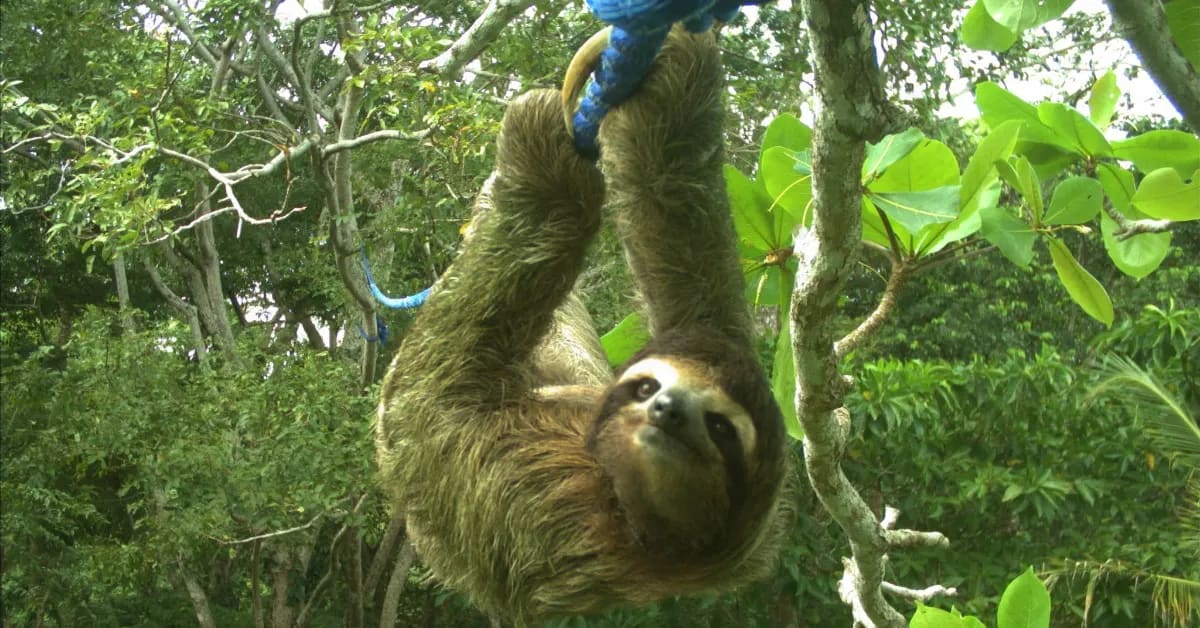
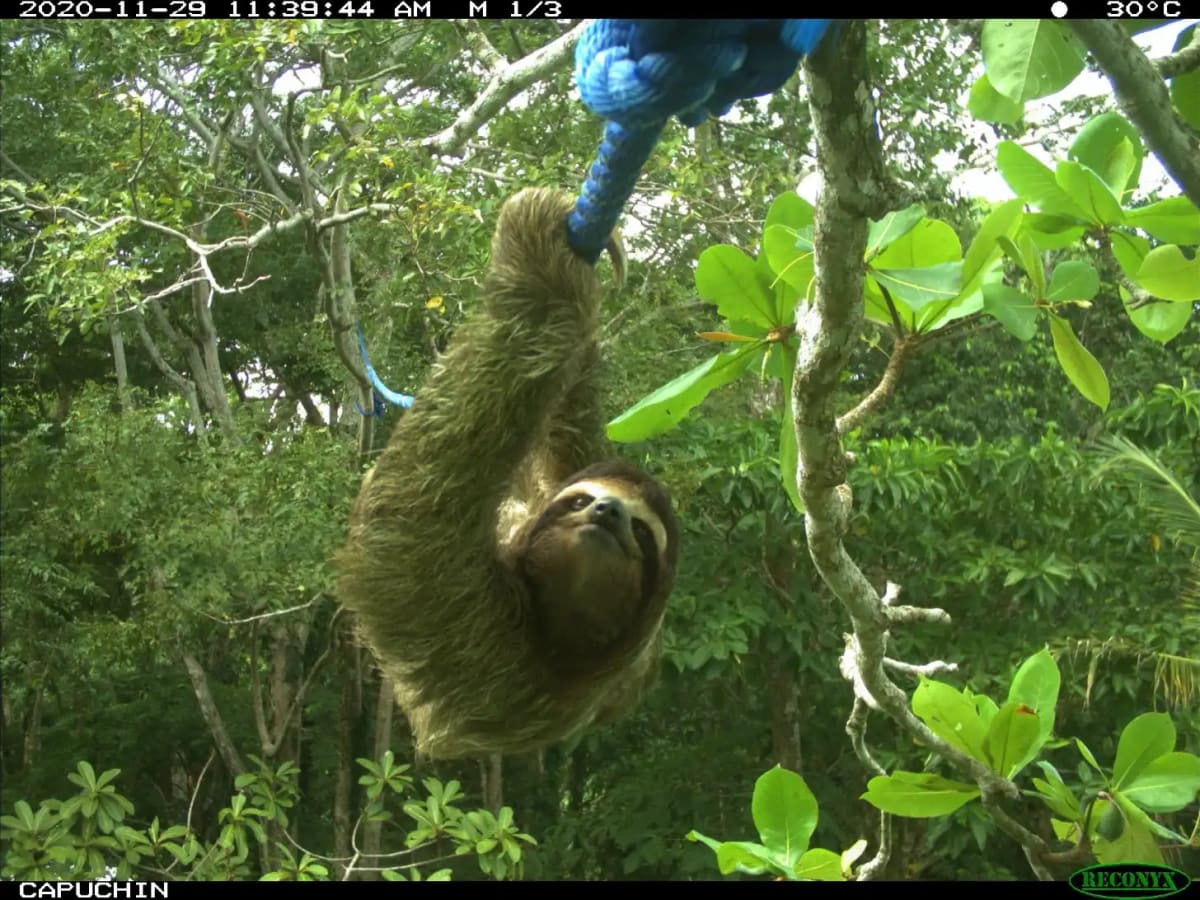
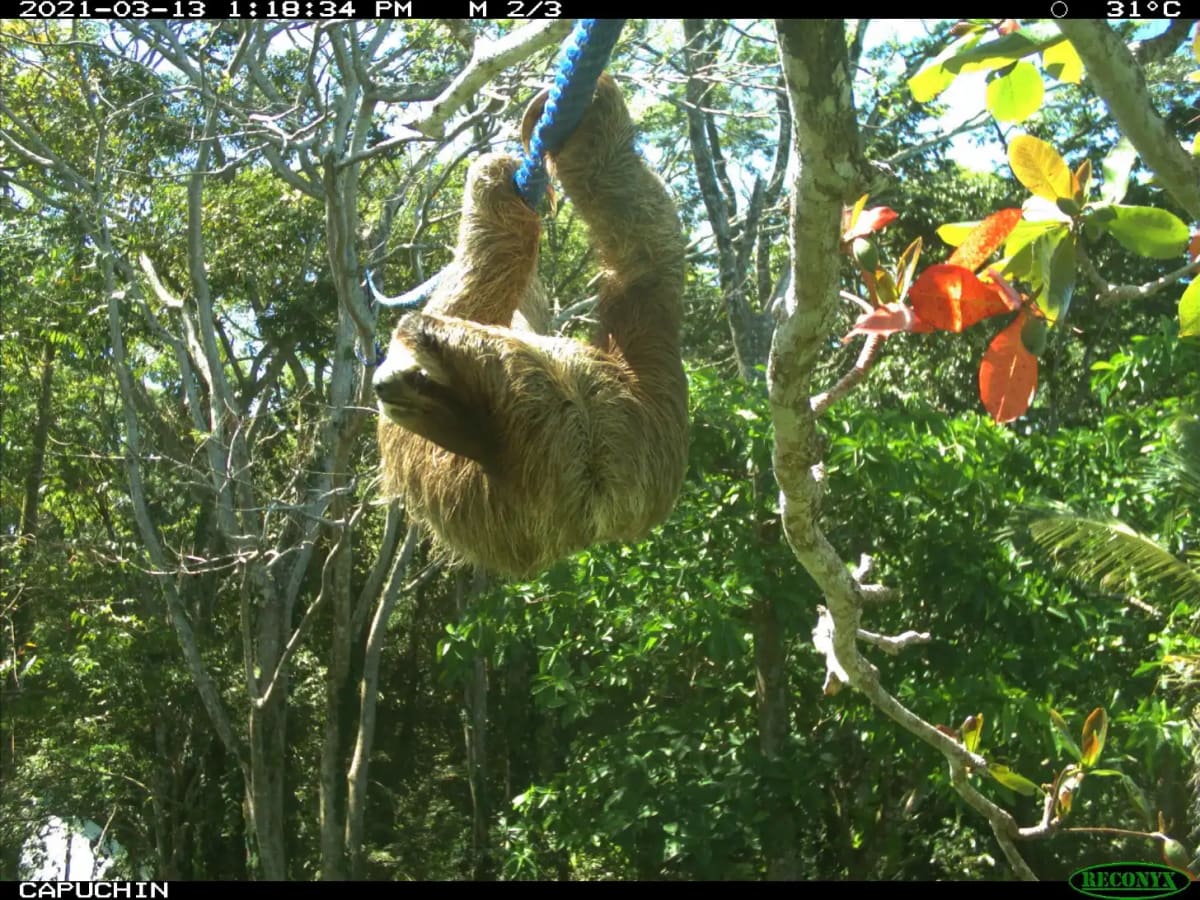
Sloths move so slowly that motion-sensor cameras sometimes can't detect them, but that hasn't stopped conservationists from proving these adorable animals are using rope bridges to safely cross Costa Rican roads.
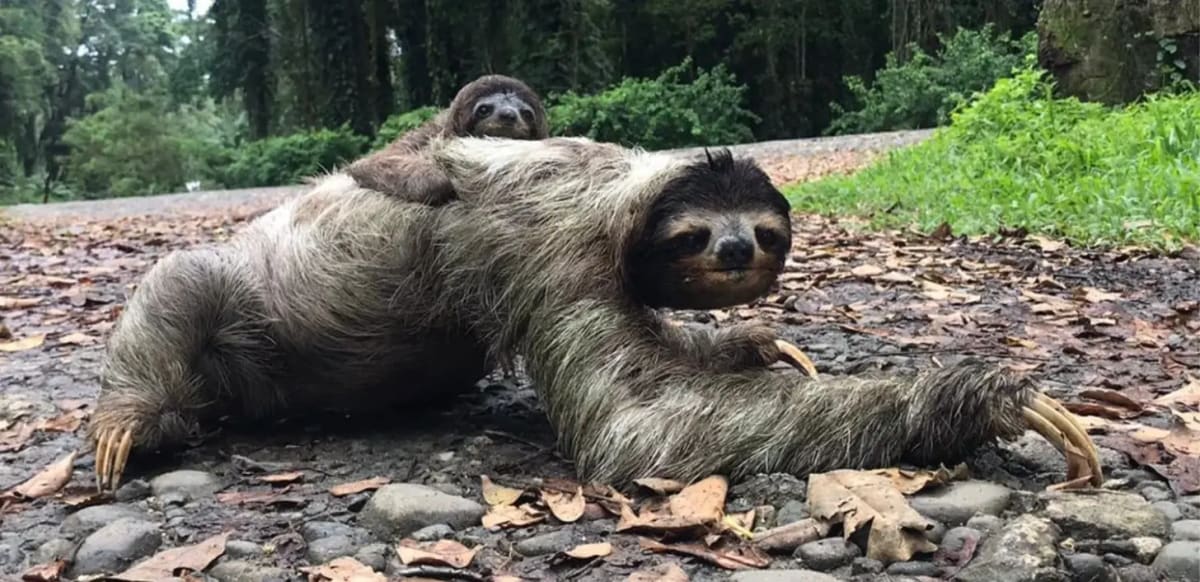
The Sloth Conservation Foundation has installed over 400 "sloth crossings" across Costa Rica, simple rope systems strung between trees to help wildlife navigate fragmented forests. After power line electrocutions, road collisions and dog attacks pose the biggest threats to wild sloths, forcing them to descend from trees and crawl dangerously across open ground.
The basic design costs just $200 and consists of a single rope secured between two hardwood trees. Native vines then grow along the rope at up to three feet per day, eventually creating a natural bridge that blends into the forest canopy.
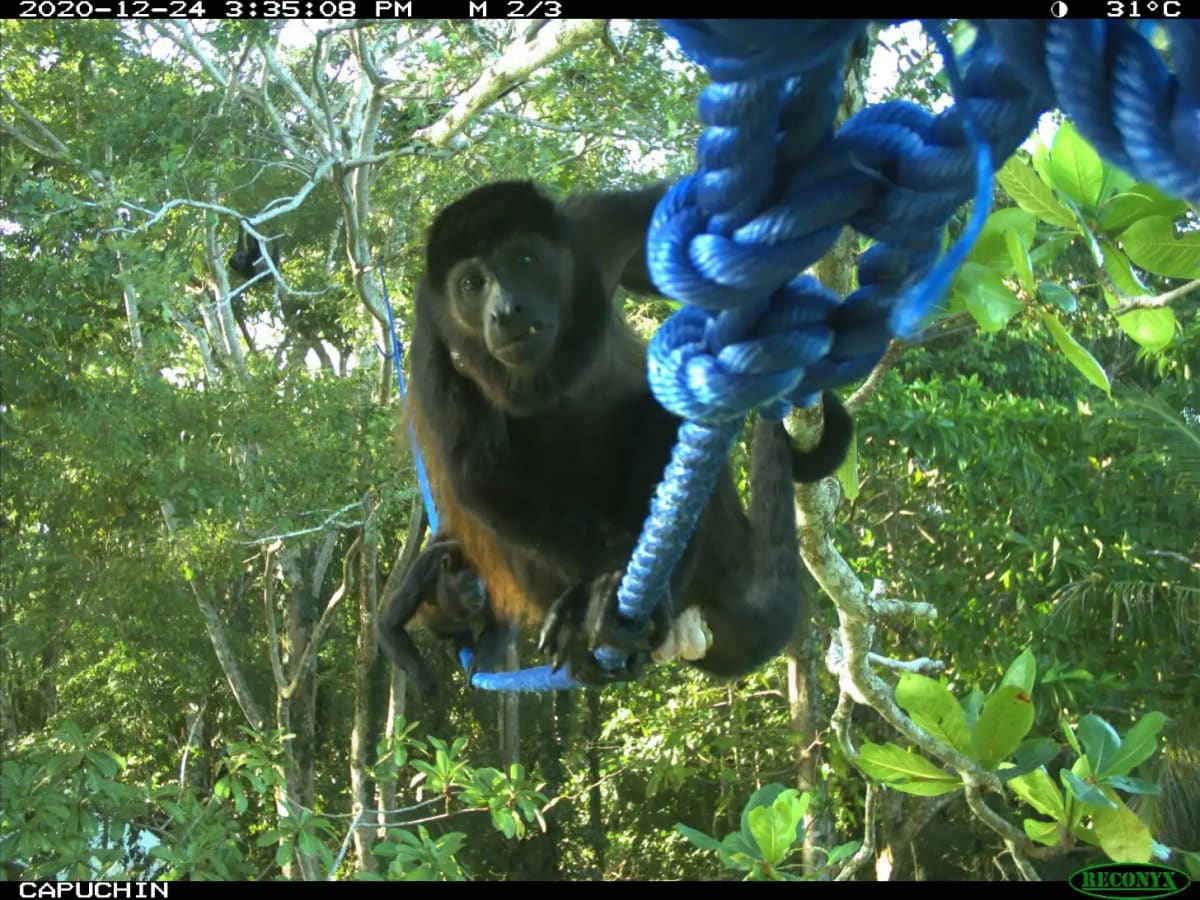
Camera traps installed at each crossing tell an encouraging story. One bridge captured over 6,000 photos in six months, with 4,000 showing howler monkeys making the journey.
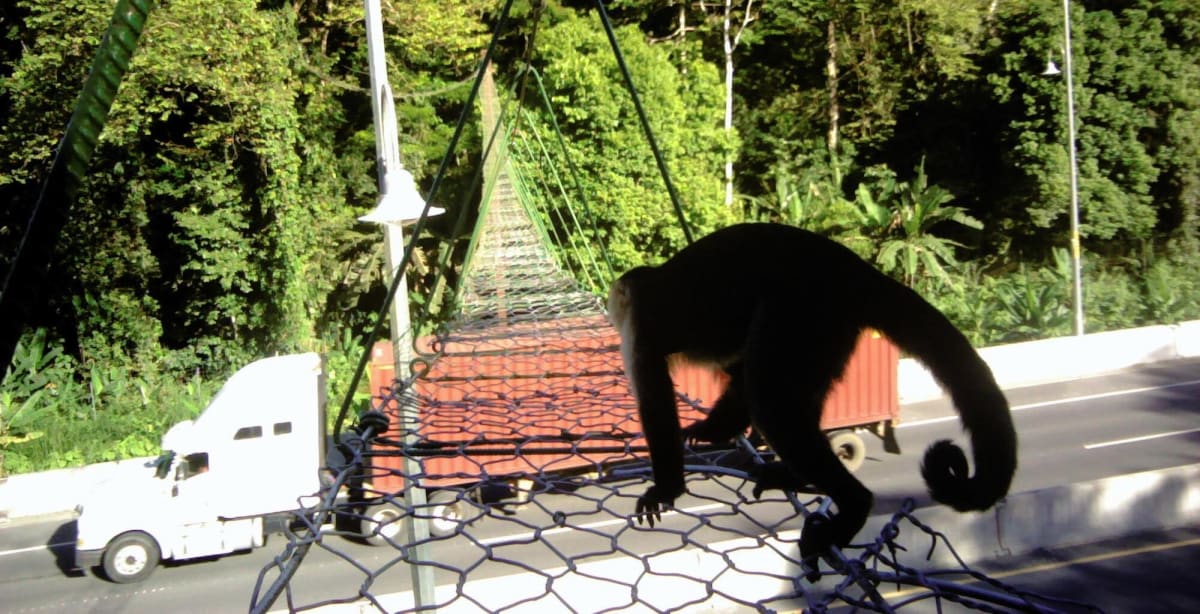
Kinkajous and opossums appear within days of installation, while capuchin monkeys have also been spotted using the crossings. Sloths remain elusive on camera due to their famously slow pace, but the evidence of their crossings is clear.
The bridges solve a critical problem beyond just safety. As the world's slowest mammal, sloths cannot run or jump, making any gap in the forest canopy a major barrier to finding mates far enough away to avoid inbreeding.
When sloths breed with close relatives, it causes a loss of genetic diversity that threatens the health of entire populations. These simple rope systems give sloths the freedom to roam safely and maintain strong genetics.
The Ripple Effect
The 400 bridges have reconnected over 19,000 acres of fragmented forest, creating an 82% reduction in wildlife injury and conflict in target areas. What started as a solution for sloths has become a lifeline for countless species navigating human development.
The foundation works directly with Costa Rican landowners to install bridges not just over roads but across gardens, fences, driveways, and between buildings. Local communities are becoming active participants in protecting their wild neighbors.
The more elaborate crossing design includes support posts and metal grids where vegetation can grow, offering extra stability and cover for cautious animals. While more expensive and complex to install, both versions prove that small interventions can create massive impact.
These bridges represent a simple truth: human development and wildlife don't have to be at odds when creative solutions bring them together.
More Images
Based on reporting by Good Good Good
This story was written by BrightWire based on verified news reports.
Spread the positivity!
Share this good news with someone who needs it