Court Upholds Turtle-Safe Nets for Gulf Shrimpers
A federal appeals court just saved countless sea turtles by requiring Louisiana shrimp boats to use special escape hatches in their nets. The devices let turtles swim free while shrimp get caught.
Sea turtles in the Gulf of Mexico just got a powerful lifeline from an unexpected place: a federal courtroom.
The 5th U.S. Circuit Court of Appeals upheld a rule requiring certain shrimp trawlers to use turtle excluder devices, or TEDs. These simple additions to fishing nets have been saving sea turtle lives since 1987.
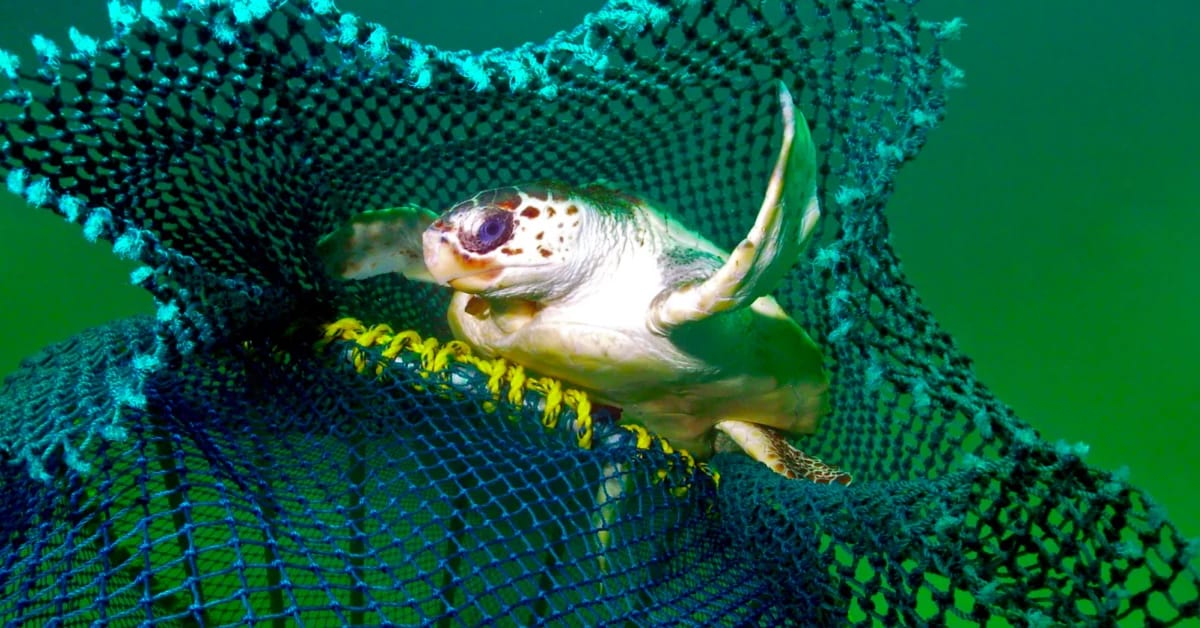
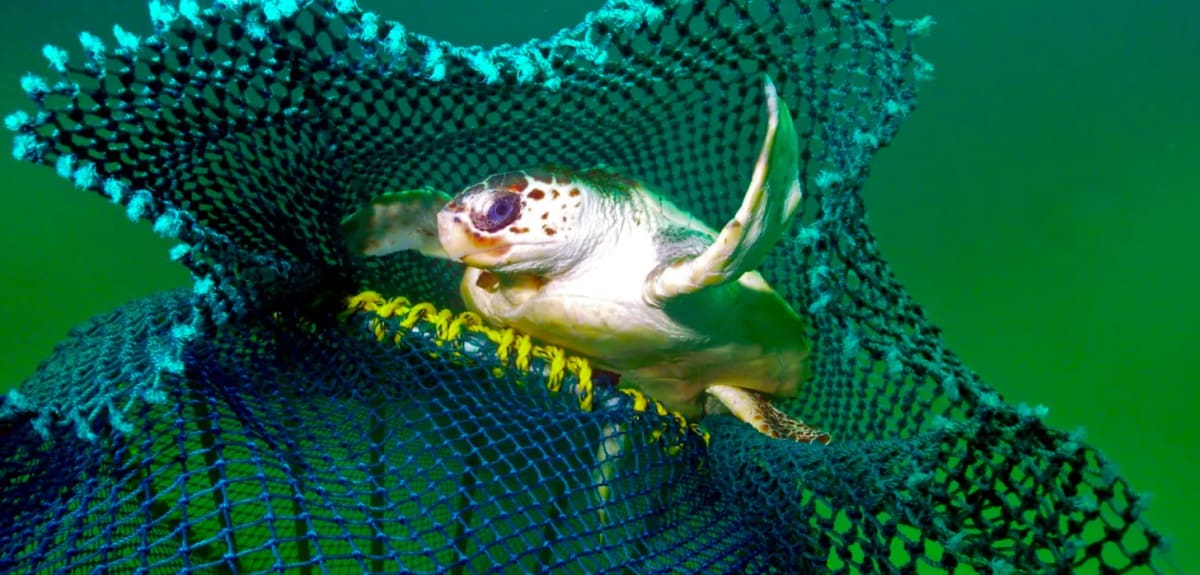
A TED works like an emergency exit built into a shrimp net. The device uses a slanted metal grid with an opening that lets large animals like sea turtles escape while smaller shrimp get caught. It's elegant engineering that benefits both wildlife and fishermen.
The court ruling closes a dangerous loophole that existed since 1992. Back then, some skimmer-trawl vessels over 40 feet long got an exemption from using TEDs. Instead, they followed time limits on how long nets could stay underwater.
Those time limits never worked well. Boats were supposed to pull up nets every 55 minutes in summer and 75 minutes in winter, giving turtles time to breathe. But conservationists found widespread rule-breaking, and even when followed, the limits still killed turtles.
Here's why: a resting sea turtle can hold its breath for seven hours, but an active or stressed turtle needs air every 40 minutes. A turtle trapped in a net can drown in mere minutes as panic burns through its oxygen supply. Their heart rate slows to conserve oxygen, sometimes with nine minutes between beats, but stress overrides this survival mechanism.
The ruling matters most for Kemp's ridley sea turtles, the world's most endangered sea turtle species. Louisiana waters are critical feeding grounds for them, making every net a potential death trap without proper safeguards.
The Ripple Effect
This decision represents years of scientific evidence finally translating into enforceable protection. Earthjustice attorney Rumela Roy emphasized that the science has been clear for years: time limits don't work, but TEDs do.
The best part? TEDs are a true coexistence solution. Shrimpers can still make their living while turtles get to keep theirs. It's not about choosing between jobs and wildlife, it's about smart design that protects both.
Conservation groups are celebrating but not stopping. They're pushing for TEDs on all skimmer trawls, not just the larger vessels. Every net equipped with a TED means more turtles surfacing safely to breathe, nest, and help their species recover.
These gentle ocean dwellers now have a better chance at survival, one escape hatch at a time.
More Images

Based on reporting by Good Good Good
This story was written by BrightWire based on verified news reports.
Spread the positivity!
Share this good news with someone who needs it