Cow Enzyme Breaks Down Superbug Defenses in Breakthrough
Scientists in Bangalore discovered an enzyme from cow stomachs that dismantles the protective shields of deadly hospital superbugs, potentially making antibiotics work again. The discovery offers fresh hope in the global fight against drug-resistant infections.
When antibiotics stop working, where do we turn? Scientists at the Indian Institute of Science in Bangalore found an unexpected answer in the stomachs of cows.
Researchers discovered an enzyme that breaks down the protective armor of Acinetobacter baumannii, one of the world's most feared hospital superbugs. This bacteria earned the nickname "Iraqibacter" after infecting wounded soldiers during the Iraq war and now causes severe lung, wound, and bloodstream infections that resist most antibiotics.
The breakthrough lies in the approach. Instead of trying to kill the bacteria directly, the enzyme attacks their sticky protective biofilm, a slimy shield made of sugars, proteins, and DNA that blocks antibiotics from reaching the bacteria inside.
The team named their discovery CRhAB, and lab studies showed it significantly reduced biofilm formation and dismantled already established shields. By weakening these defenses, existing antibiotics that stopped working might become effective again.
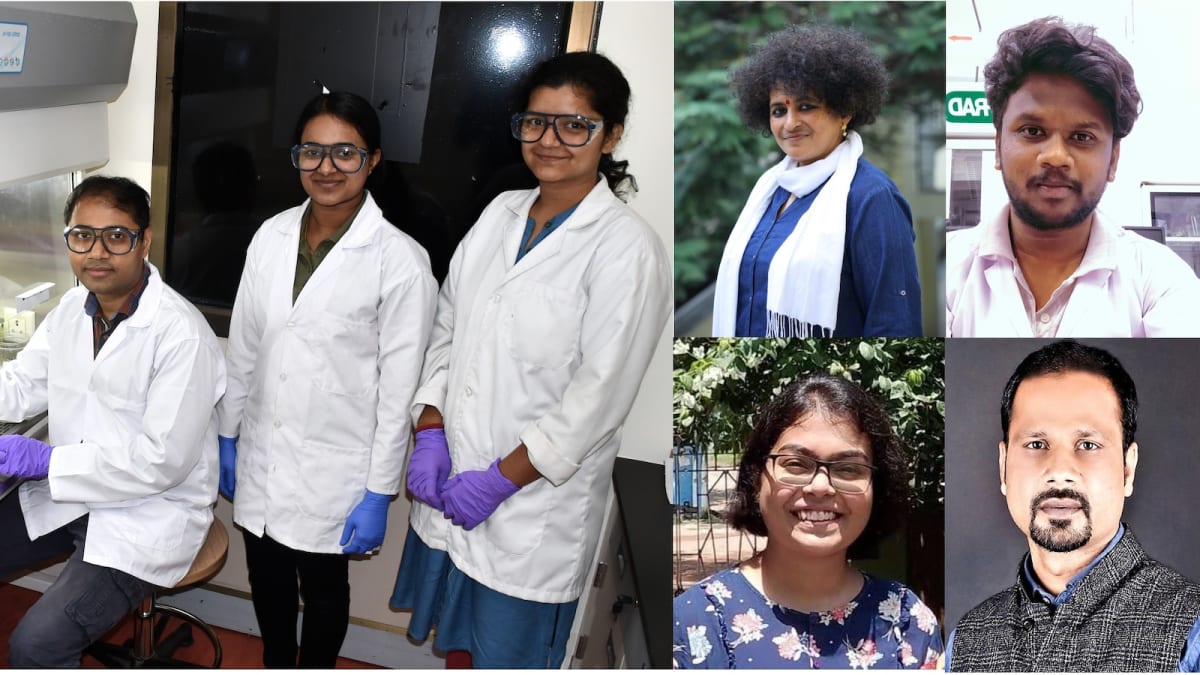
"Instead of directly killing the bacteria, it weakens their defenses, potentially restoring the effectiveness of existing antibiotics," says Reshma Ramakrishnan, who led the study published in Biofilms and Microbes.
The enzyme came from an unlikely source: the rumen, the first stomach compartment in cows. This organ is packed with microbes that help digest tough plant fibers, and the researchers screened these microbes for enzymes that break down complex sugars.
The Ripple Effect
The discovery works on more than one superbug. The enzyme also proved effective against Klebsiella pneumoniae, another dangerous pathogen responsible for severe hospital pneumonia. Both bacteria belong to the ESKAPE group, superbugs notorious for evading antibiotics.
The researchers tested enzyme-coated medical gauze on mice with wound infections. The special dressing reduced bacterial growth and improved wound healing, showing real-world potential.
The team is now developing advanced dressings for diabetic foot infections, which often involve stubborn bacteria. They're also exploring whether the enzyme could be delivered through inhalers or nebulizers to fight chronic lung infections.
The research is still years away from human trials, but it opens a promising new path. At a time when the World Health Organization has classified antibiotic-resistant bacteria as critical priority pathogens, this discovery shows that nature still holds solutions we haven't found yet.
A single enzyme from cow stomachs might help restore the power of medicines that once saved millions of lives.
More Images


Based on reporting by Google News - Scientists Discover
This story was written by BrightWire based on verified news reports.
Spread the positivity!
Share this good news with someone who needs it