Croatian Divers Find Byzantine Gold Treasure in Shipwreck
Archaeologists have discovered an extraordinary Byzantine shipwreck off Croatia's coast filled with gold jewelry, imperial rings, and emerald-studded treasures from 1,300 years ago. The find reveals secrets about ancient Mediterranean trade and diplomacy that have been hidden underwater since the 7th century.
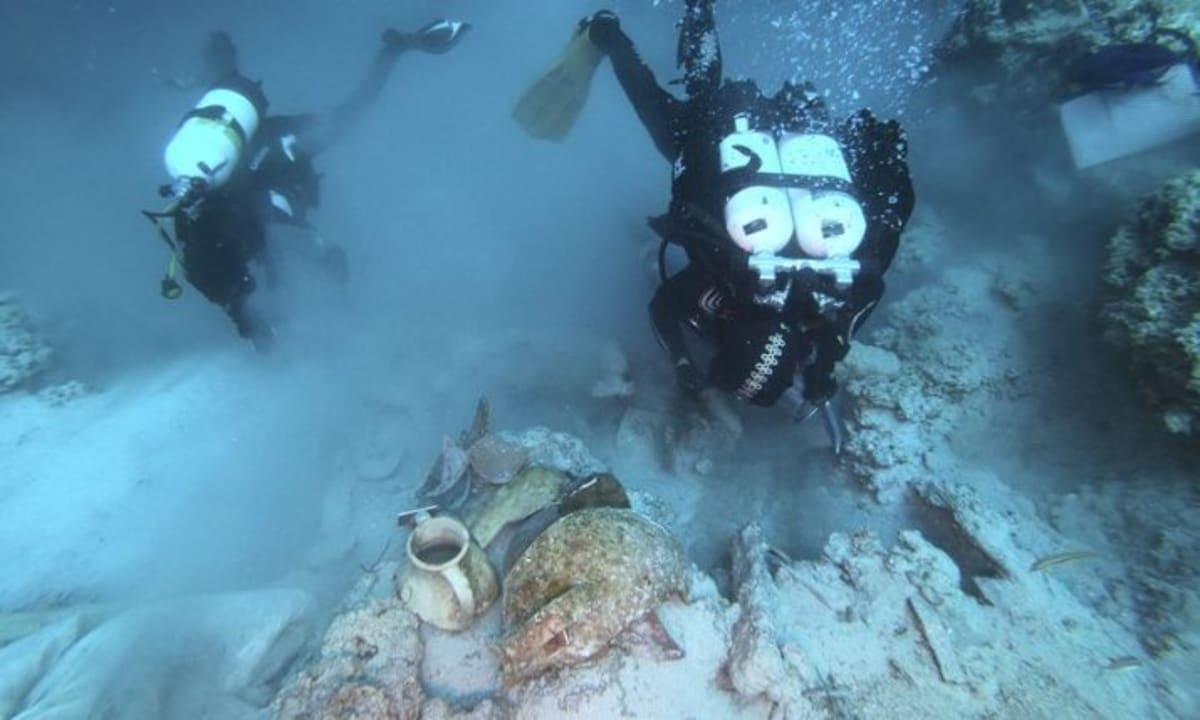
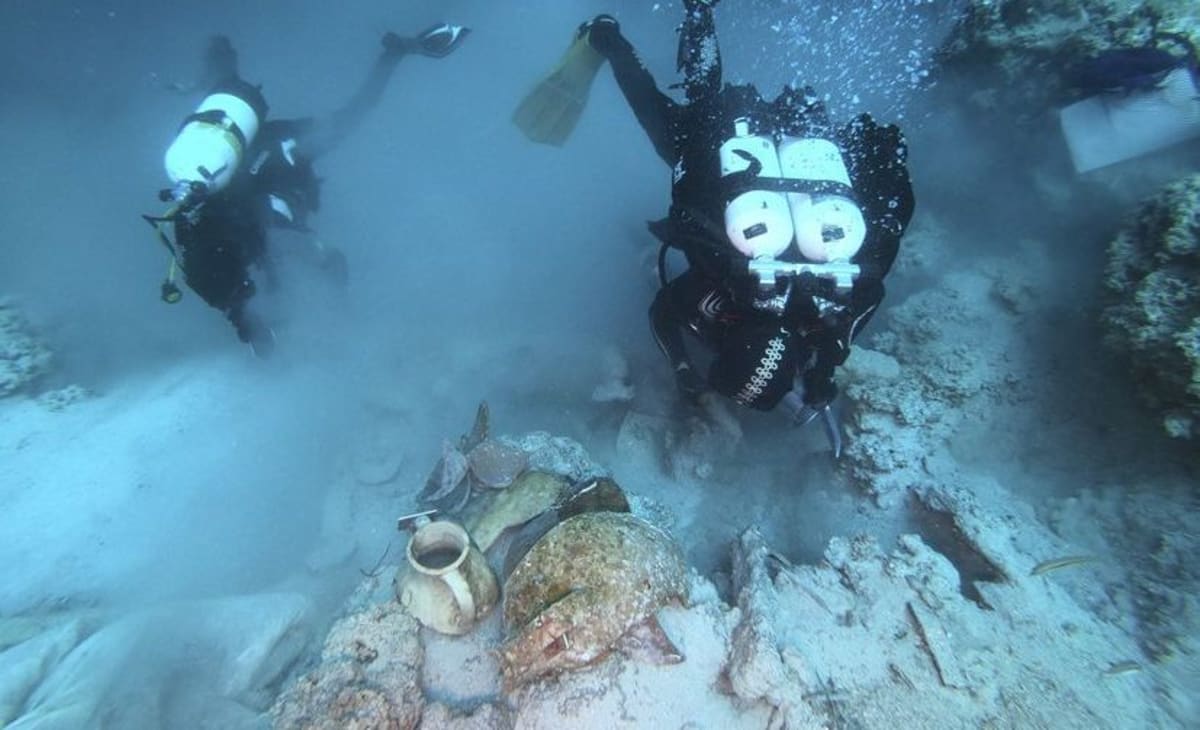
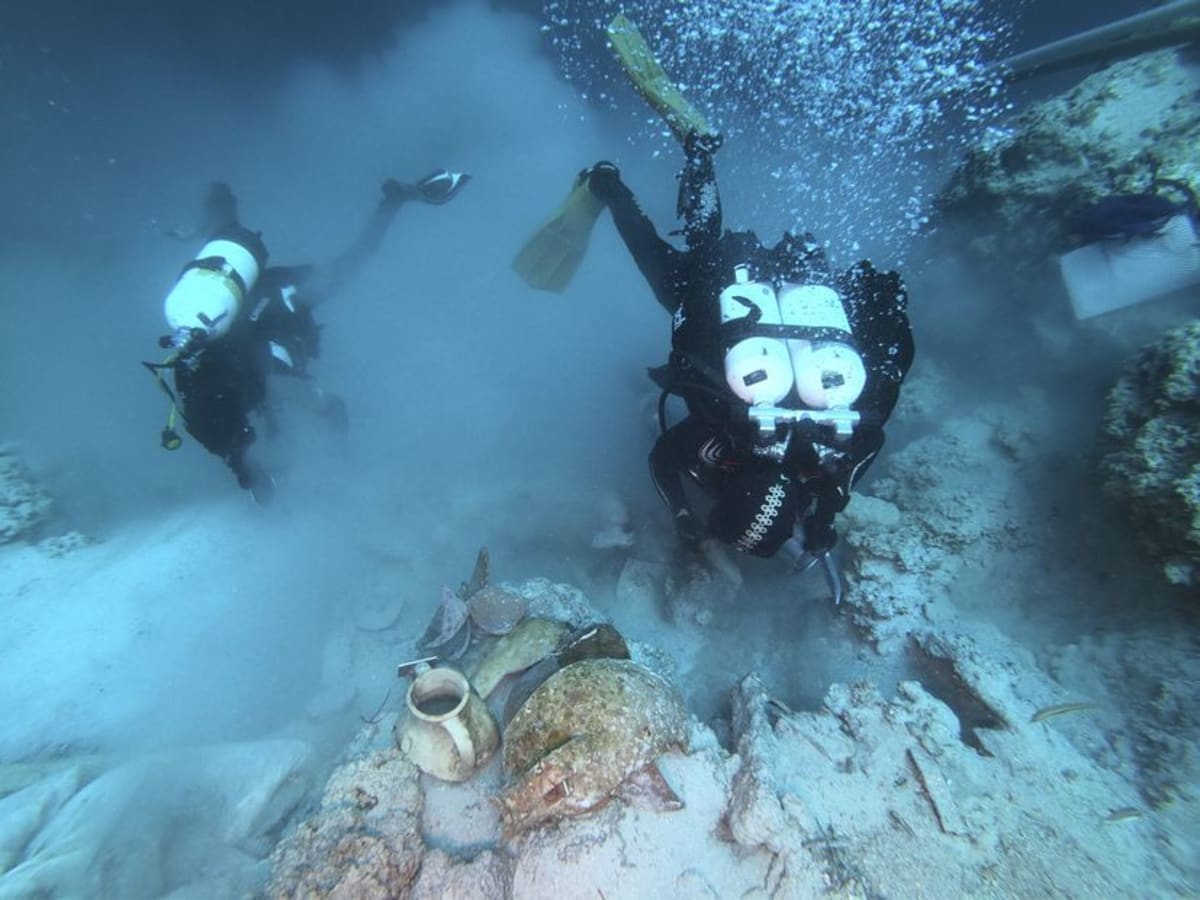
After nearly 20 years of searching the waters around Mljet Island, Croatian archaeologists have uncovered something extraordinary: a Byzantine shipwreck containing some of the rarest treasures ever found in Mediterranean waters.
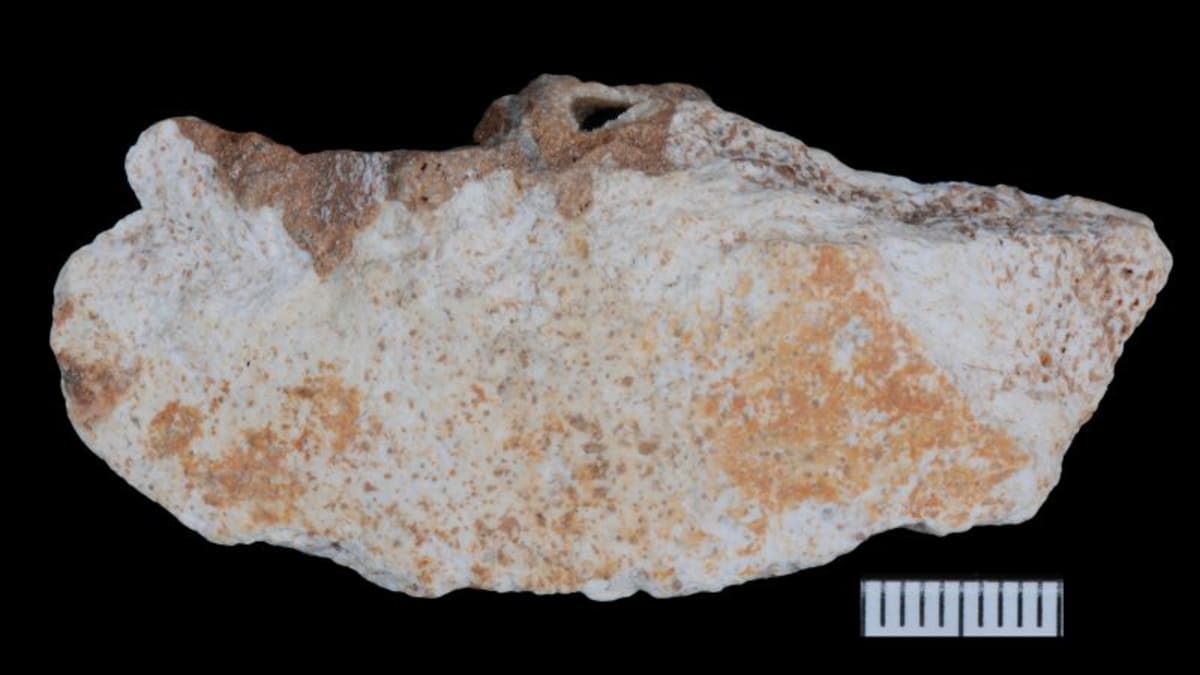
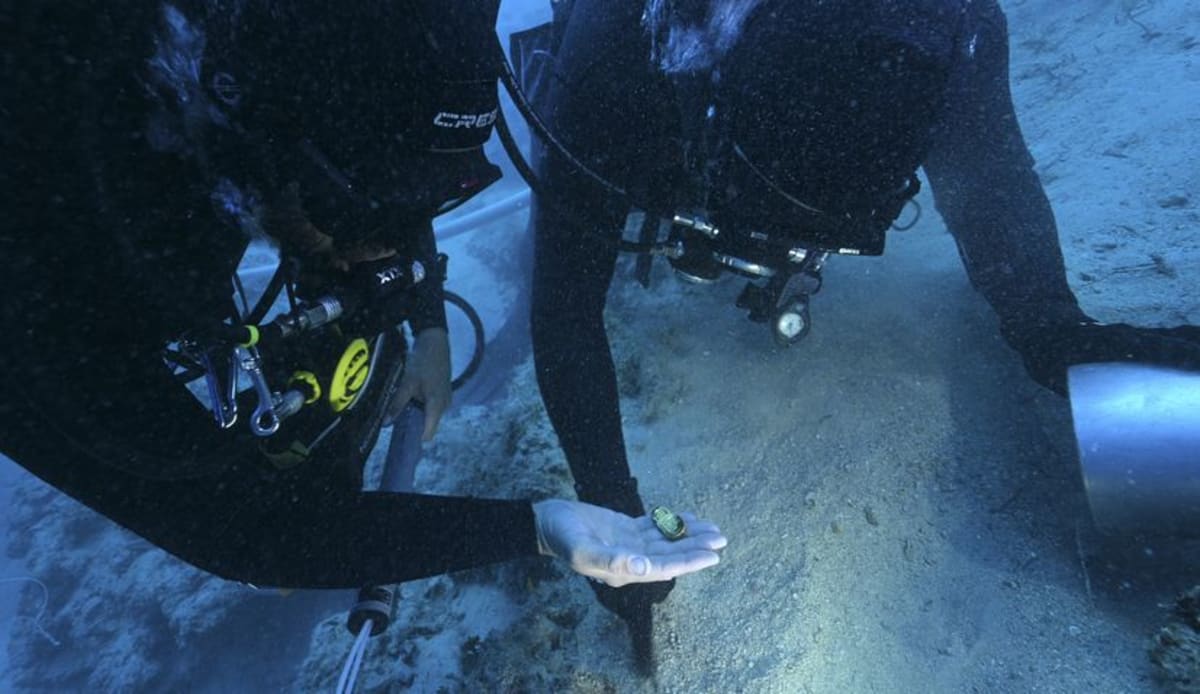
The ship, which sank sometime in the 7th or 8th century, carried cargo that suggests someone very important was on board. Among the finds are four gold belt sets decorated with emeralds, rubies, and pearls that would have been worn only by high-ranking Byzantine officials.
But the most intriguing discovery is a gold ring depicting an emperor from the Heraclian dynasty. Only the highest-ranking Byzantine state or military officials carried such rings, which were used to seal imperial documents.
The Croatian Conservation Institute, which began investigating this particular wreck in 2015, has conducted nine archaeological campaigns to date. Each dive has revealed more about the ship's precious cargo and the people who sailed on it.
Gold coins recovered from the wreck show four different emperors from the late 7th century, helping researchers pinpoint when the ship went down. These personal treasures may have been diplomatic gifts or the belongings of a senior Byzantine official traveling on important state business.
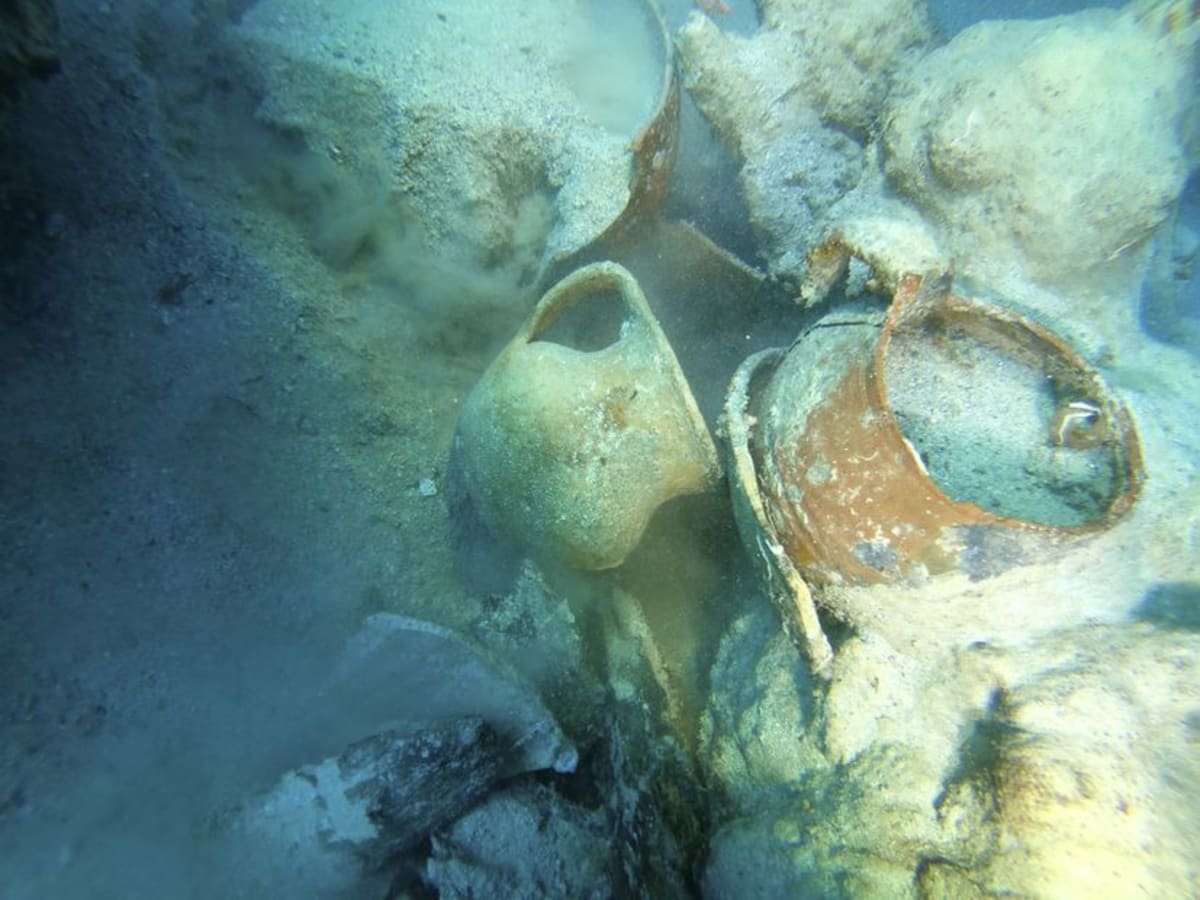
The vessel wasn't just carrying luxury items. Archaeologists also found amphorae, trade scales, ivory tokens, and everyday ceramic vessels like bowls and plates, suggesting the ship served commercial purposes too.
Mljet Island sits along a crucial maritime route that once connected the eastern and western Mediterranean. Researchers believe the ship was trying to reach the safety of Polače Bay, a protected harbor that sheltered vessels during storms, when disaster struck.
The Ripple Effect
This discovery is opening new windows into a world that vanished more than a millennium ago. The 20 shipwrecks found around Mljet, dating from the 2nd century BC to the 16th century, form an underwater museum of Mediterranean history.
Stanford University archaeologists have joined the Croatian team to analyze the ship's cargo, while experts from around Europe study the intricate gold belt decorations and coins. Each artifact adds another piece to the puzzle of how trade and politics connected the Byzantine world with the Adriatic region.
The research continues today, with divers from Croatia's Intervention Police Command and local diving centers supporting the archaeological team. Every season brings new discoveries that help paint a clearer picture of the passengers, their mission, and the vibrant trade networks that crisscrossed these ancient seas.
This shipwreck represents more than lost treasure. It's a time capsule that connects us directly to the people who sailed these waters, conducted diplomacy, and built the foundations of Mediterranean culture centuries before modern nations existed.
More Images
Based on reporting by Google: archaeological discovery
This story was written by BrightWire based on verified news reports.
Spread the positivity!
Share this good news with someone who needs it