Cuba Approves Historic Free-Market Economic Reforms
After nearly 60 years of communist economic control, Cuba's government has approved sweeping reforms allowing private businesses, banks, and real estate development. The island nation is opening its doors to private enterprise in response to economic struggles that leaders admit aren't all caused by outside pressure.
Cuba just took a giant leap toward economic freedom that would have seemed impossible just months ago.
The Communist Party approved an emergency package of free-market reforms on Thursday that could transform the Caribbean island's economy. For the first time since 1965, Cubans will be able to start private banks, develop real estate, and convert state-owned businesses into private companies with shareholders.
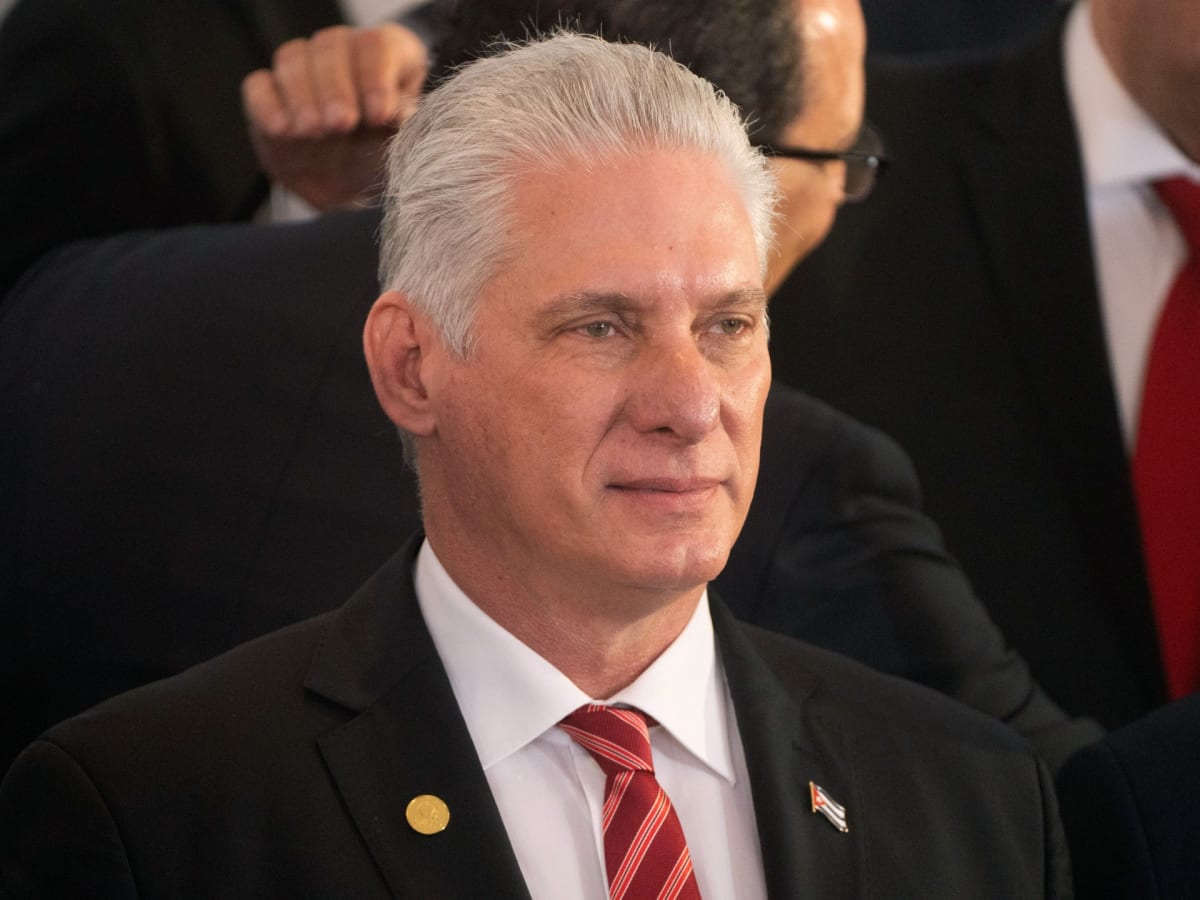
President Miguel Diaz-Canel acknowledged something remarkable during his announcement to party leaders. Cuba's economic problems don't all come from outside sanctions and pressure. He pointed to "slowness, bureaucracy and norms that impede those who want to produce" as homegrown obstacles holding the country back.
The reforms expand opportunities for entrepreneurs and welcome foreign investment, including money from Cubans living abroad. Private enterprise, once banned as capitalist betrayal, is now being embraced as economic necessity.
This represents a dramatic philosophical shift for a nation governed by communist ideology for nearly six decades. Diaz-Canel admitted some party hardliners won't support the changes, but said they "cannot be postponed" given the dire economic situation.
The Ripple Effect spreads far beyond Cuba's shores. Eleven million Cubans will gain new economic freedoms and opportunities to build businesses and wealth. Families separated by emigration may finally have pathways to invest in their homeland. Neighboring Caribbean nations could gain a newly vibrant trading partner.
Former leader Raul Castro, who led Cuba for years after his brother Fidel, has backed the reforms. The package now heads to the National Assembly, where approval is expected.
The changes don't solve everything overnight, and Cuba still faces external pressure from sanctions. But acknowledging internal problems and choosing market solutions over ideology shows leaders putting people's wellbeing ahead of political purity.
Sometimes the bravest progress happens when leaders admit the old ways aren't working and choose change over comfort.
Based on reporting by Al Jazeera English
This story was written by BrightWire based on verified news reports.
Spread the positivity!
Share this good news with someone who needs it