Danish Ducks Dodge Wind Turbines Using Night Flight Trick
Migratory ducks in Denmark developed a surprising survival strategy when offshore wind farms blocked their flight path. Instead of crashing into turbines, the birds learned to fly down the center corridors between blades, especially after dark.
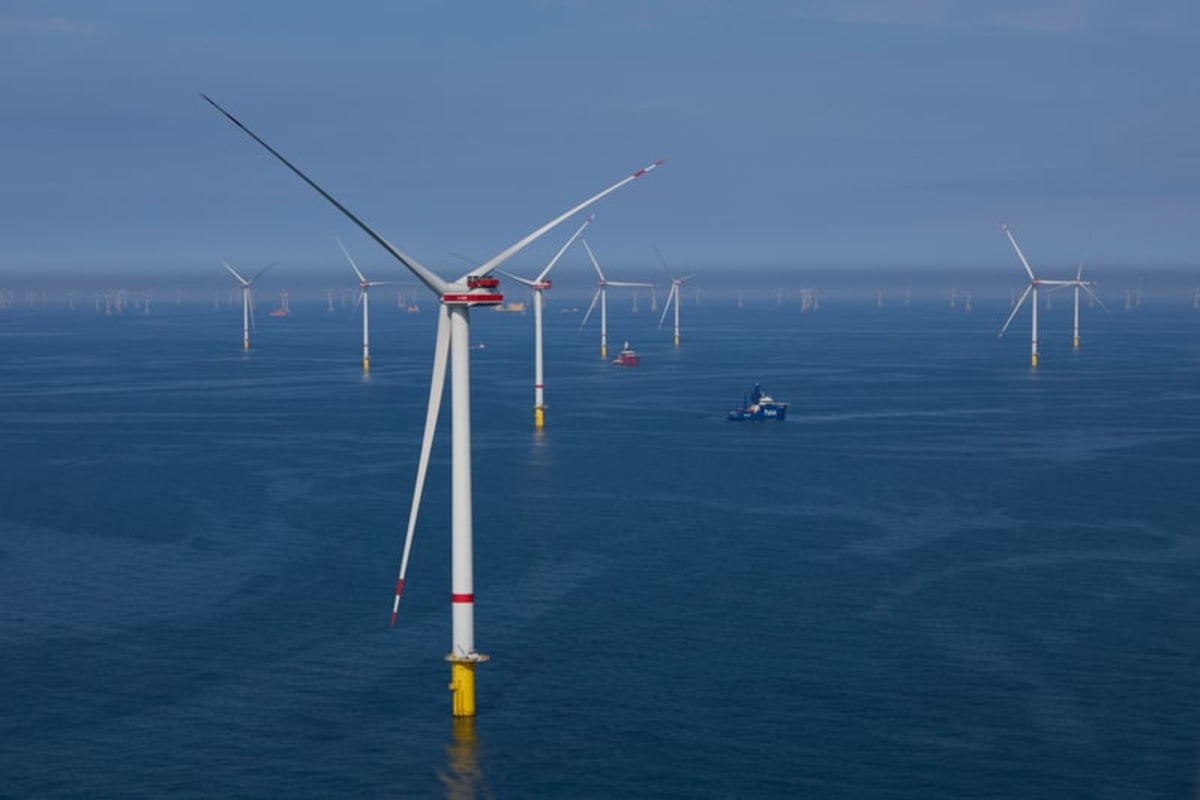
Scientists worried that Denmark's offshore wind farms would become deadly obstacles for migrating sea ducks, but the birds outsmarted the turbines in ways no one expected.
When researchers installed radar systems at Denmark's Nysted Offshore Wind Farm, they discovered common eiders had dramatically changed their behavior. Before construction, nearly half the ducks flew straight through the area. Afterward, only 9% attempted the crossing.
The real surprise came when scientists compared day and night flights. During daylight, the ducks avoided the wind farm from nearly two miles away, steering clear of the entire area. But at night, something different happened.
Under cover of darkness, more ducks flew directly into the wind farm but stayed precisely in the safe zones. They navigated down the center corridors between turbine rows, maximizing their distance from the spinning blades. The strategy worked, keeping collision deaths remarkably low compared to land-based wind farms.
Denmark pioneered offshore wind energy in 1991 with the world's first commercial ocean wind farm. Now the country plans to expand from 2.7 gigawatts to 52 gigawatts by 2050, transforming Denmark from a local green energy producer into a major exporter for mainland Europe. That means thousands more turbines across the North and Baltic Seas, right in the path of migrating birds.
Studying ocean wildlife presents challenges land researchers never face. The open sea is vast, constantly moving, and expensive to monitor continuously. Scientists must track not just birds but also how buried transmission cables affect seafloor creatures and how electromagnetic fields alter fish navigation patterns.
The Bright Side
The ducks' natural adaptation shows that wildlife can find ways to coexist with renewable energy infrastructure. Their nighttime corridor navigation demonstrates remarkable intelligence and flexibility in response to environmental changes.
However, scientists noted one potential cost. Birds that detour around wind farms burn extra energy reserves during migration. If they cannot find safe resting spots, the additional exertion could lower survival rates over time.
Denmark's experience offers valuable lessons as offshore wind farms multiply worldwide. Wildlife doesn't always react the way we predict, and sometimes nature's solutions surprise us. Understanding these adaptations helps developers design future projects that protect both clean energy goals and the creatures sharing those waters.
More Images



Based on reporting by Google News - Wind Energy
This story was written by BrightWire based on verified news reports.
Spread the positivity!
Share this good news with someone who needs it