Darwin Harbour Rivals Ningaloo Reef for Marine Biodiversity
A new report reveals Darwin Harbour in Australia's Northern Territory supports biodiversity rivaling the world-famous Ningaloo Reef, with critically endangered sawfish, sea turtles, and over 500 fish species thriving in its waters. Scientists hope the findings will spark protection efforts for this overlooked marine treasure.
Scientists just discovered that a bustling city harbor in Australia's north is home to marine life as rich and rare as one of the world's most celebrated coral reefs.
Darwin Harbour supports an astonishing array of ocean creatures that rivals Western Australia's World Heritage-protected Ningaloo Reef, according to a new report released Thursday by independent consultancy Oceanwise Australia. The harbor is home to roughly 529 fish species, compared to Ningaloo's 550.
But the numbers tell an even more remarkable story. Four of the world's five critically endangered sawfish species live in Darwin Harbour, along with six of seven marine turtle species and 15 types of sea snakes.
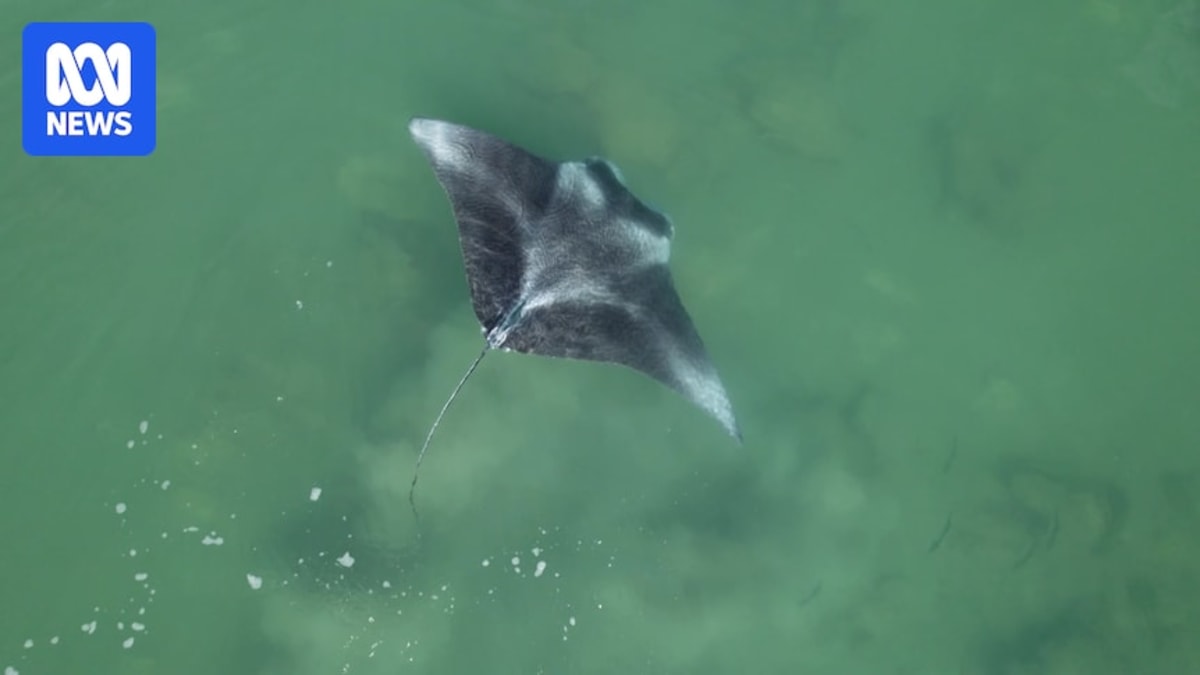
The waters also support more than 1,000 crustacean species, 71 sharks and rays, up to 800 different sponges, and seven dolphin species. Recent manta ray sightings signal just how productive and healthy the ecosystem remains.
"Our job as scientists is to make sure the rest of Australia understands what's here, before it's too late," said Ben Fitzpatrick, director of Oceanwise and co-author of the year-long study. He worked alongside colleagues and Larrakia woman Donna Jackson to compile research and traditional knowledge about the harbor.
The biodiversity extends above the waterline too. Darwin Harbour hosts 36 mangrove species, representing about 55 percent of all mangroves found across the entire Indo-Pacific region. That makes it one of the most ecologically important mangrove ecosystems anywhere.
These mangroves provide critical habitat for migratory shorebirds traveling from the northern hemisphere. Some critically endangered species depend on the harbor's super-tidal areas for feeding and resting during their epic journeys.
Why This Inspires
This discovery shows that incredible biodiversity can thrive right alongside human activity when we pay attention and care properly. Darwin Harbour proves that cities and wildlife don't have to be at odds.
The report also demonstrates the power of combining scientific research with traditional Indigenous knowledge to understand our natural world more completely. That collaboration revealed treasures hiding in plain sight.
"Darwin Harbour is often overlooked, but it deserves the same recognition and protection as any of Australia's great reef systems," Fitzpatrick said. "It contains a level of marine life found almost nowhere else on earth."
Environmental advocates hope the findings will inspire better protection for the harbor, which faces threats from industrial pollution and climate change. Darwin's sea level is rising faster than anywhere else in Australia, at 0.8 centimeters annually, pushing saltwater further inland.
One harbor, hundreds of rare species, and a reminder that nature's most precious gifts sometimes exist right where we least expect them.
More Images


Based on reporting by ABC Australia
This story was written by BrightWire based on verified news reports.
Spread the positivity!
Share this good news with someone who needs it