Deep Sea Microbes Could Fight Cancer and Alzheimer's
Scientists in the Florida Keys are discovering powerful new medicines hidden in microscopic ocean organisms. Their work could lead to breakthroughs in cancer treatment, Alzheimer's research, and solutions to antibiotic resistance.
The ocean floor holds tiny organisms that could save countless lives, and researchers in the Florida Keys are racing to unlock their secrets.
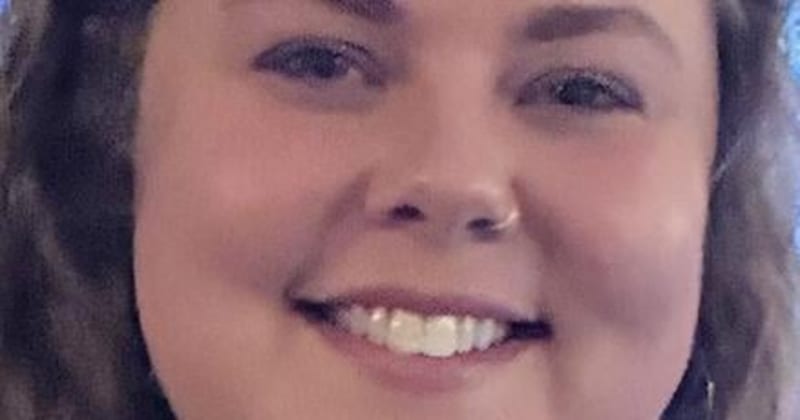
Dr. Kirstie Tandberg Francis recently shared her groundbreaking work at the Florida Keys History and Discovery Center. As a molecular biology researcher at Mote Marine Laboratory, she's studying microscopic marine organisms from the deep sea that could become tomorrow's life-saving medicines.
The idea isn't as wild as it sounds. Penicillin, one of the world's most important antibiotics, comes from a common fungus. Francis and her team believe the ocean's depths hold similar treasures waiting to be discovered.
Using specialized equipment, the team collects samples from deep underwater. Back at the lab, they grow these microbes in petri dishes and study them for useful compounds. So far, they've built a library of 800 isolates and more than 900 samples.
The work couldn't come at a better time. More than 35,000 Americans die each year from antibiotic-resistant infections. The microbes Francis studies could provide new weapons in that fight.
Her research targets some of medicine's toughest challenges. The Florida Department of Health funds her work to find treatments for Ewing sarcoma (a rare bone cancer), Alzheimer's disease, and other cancers. Some discoveries might even help manage harmful algal blooms that threaten coastal communities.
The Ripple Effect
Francis's work does double duty for the planet. By proving that ocean species hold medical breakthroughs, she's building a powerful case for marine conservation. "If we don't conserve and protect these species, we won't be able to find cures," she explained.
Mote Marine Laboratory has worked in the Keys for 30 years, and President Michael Crosby says they "snapped up" Francis for her expertise. The lab aims to expand its collection to 1,000 microbial extracts, each one a potential source of new medicine.
The timeline from discovery to medicine cabinet varies. Francis notes that rare and important compounds can sometimes be fast-tracked, but her main goal stays clear: identify new medicines that could help millions.
With oceans covering 70% of Earth's surface, their biological diversity translates directly to chemical diversity. Each new sample from the deep sea could hold compounds that fight disease in ways we've never seen before.
The work happening in the Florida Keys proves that protecting our oceans isn't just about saving sea life—it's about saving human lives too.
More Images


Based on reporting by Google: scientific discovery
This story was written by BrightWire based on verified news reports.
Spread the positivity!
Share this good news with someone who needs it