Delhi Court Orders Zee to Make World Cup Accessible to Blind
A disability rights lawyer just won a major court hearing that could make streaming platforms work for millions of blind and low-vision Indians. The Delhi High Court ordered Zee to respond to claims its FIFA World Cup platform can't be used with screen readers.
Rahul Bajaj wanted to follow the FIFA World Cup like any other fan, but the streaming platform holding exclusive rights in India wouldn't work with his screen reader. Now the Delhi High Court is listening.
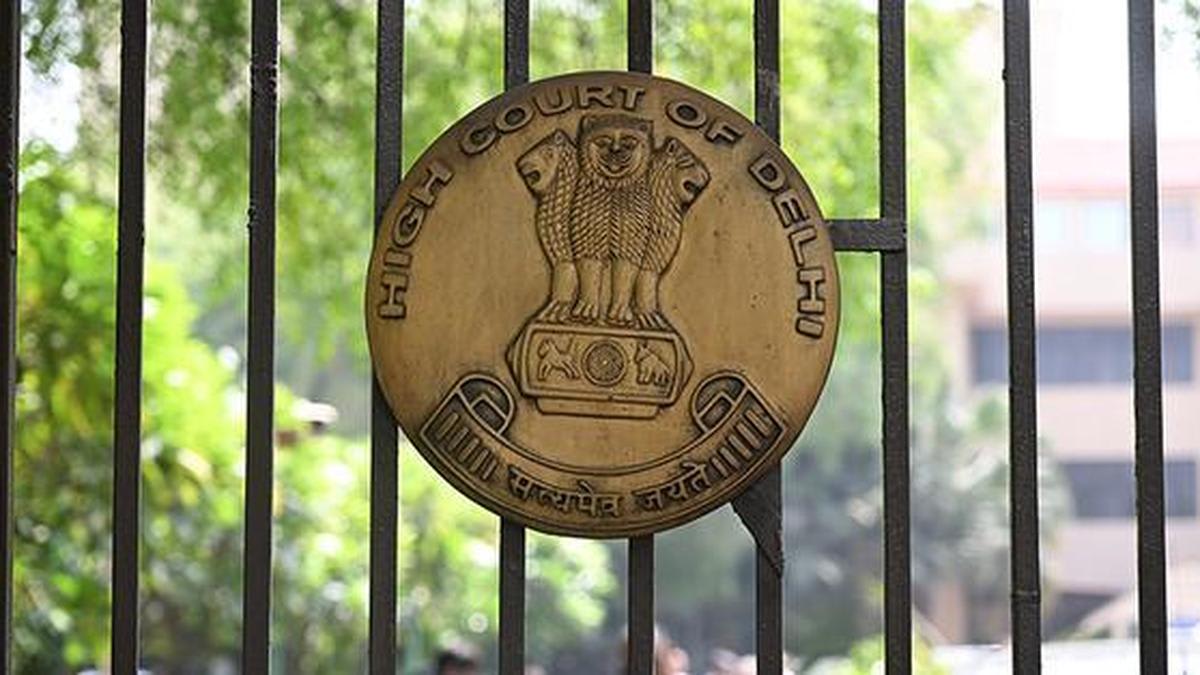
Justice Swaarna Kanta Sharma issued a notice to Zee Entertainment on July 2 after Bajaj, a disability rights lawyer, filed a petition explaining that ZEE5's platform is completely inaccessible to people who are blind or have low vision. The court also directed India's central government to respond within two weeks.
The problem goes deeper than just one sports event. Bajaj's petition reveals that even buying a subscription to ZEE5 presents serious challenges because of unlabeled buttons and an interface that screen reading technologies like TalkBack and VoiceOver can't navigate properly.
Even when users manage to subscribe, the platform has what the petition calls "pervasive barriers." Controls are unlabeled or mislabeled, the cursor moves automatically, and the media player simply doesn't work with assistive technology. For someone relying on audio commentary to follow the World Cup, these technical failures mean total exclusion.
Bajaj isn't asking for special audio modifications to the World Cup broadcast itself. He's satisfied with the existing commentary. His petition simply demands that the platform be built in a way that lets blind users access what's already there independently.
Why This Inspires
This case represents something bigger than one person's access to sports. All digital platforms operating in India are legally required to be accessible to people with disabilities, and the Supreme Court has already ruled that digital access is part of the fundamental right to life under Article 21.
Bajaj's petition references the landmark Pragya Prasun v. Union of India case, which established this digital access as a constitutional right. By taking Zee to court, he's not just fighting for himself but potentially opening the door for millions of Indians with disabilities to fully participate in digital life.
The World Cup may end, but streaming platforms aren't going anywhere. If this case succeeds, it could force every OTT platform in India to finally build accessibility into their design from the ground up, not as an afterthought.
One lawyer's determination to watch football could change how an entire industry serves people with disabilities.
Based on reporting by The Hindu
This story was written by BrightWire based on verified news reports.
Spread the positivity!
Share this good news with someone who needs it