Denmark Gardener Unearths Record Viking Silver Hoard
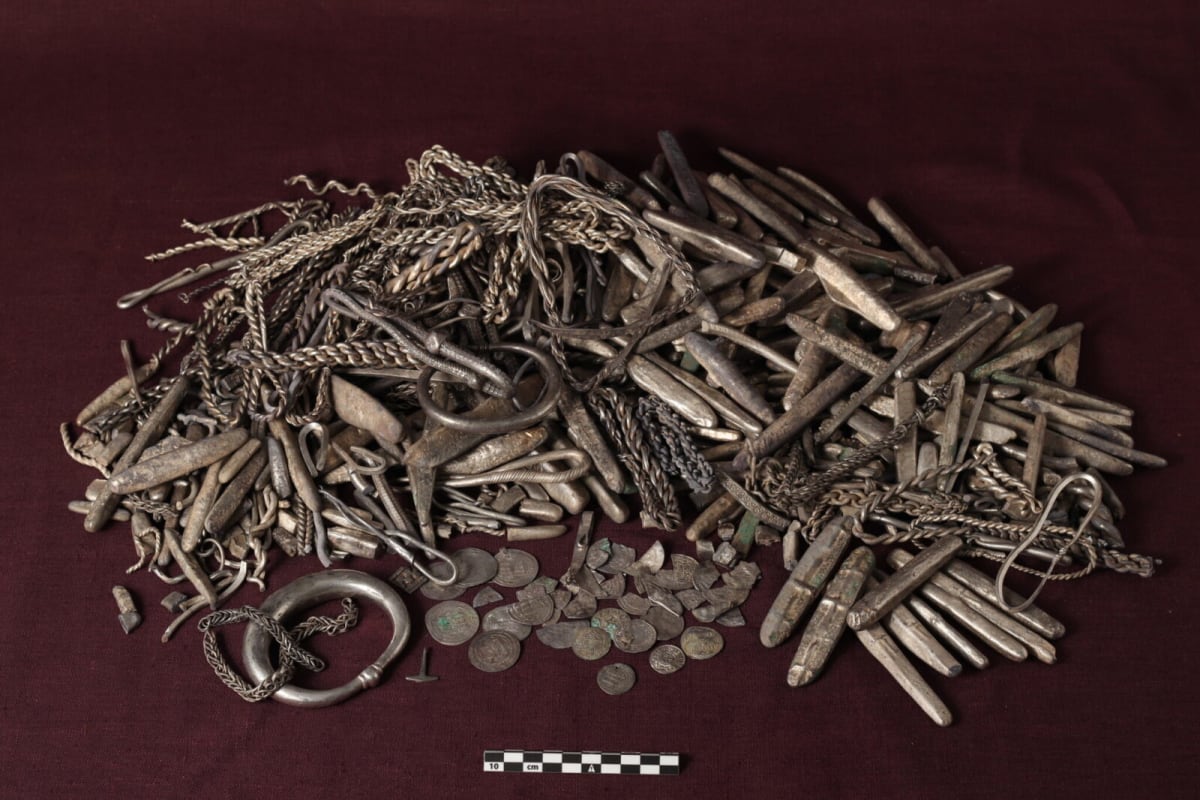
A homeowner digging for a backyard terrace in northern Denmark just discovered the country's largest Viking Age treasure: 18.5 kilograms of silver buried over 1,000 years ago. The find reveals fascinating details about how Vikings traded across three continents.
A simple home improvement project in Rebild, Denmark, just became the archaeological discovery of a lifetime.
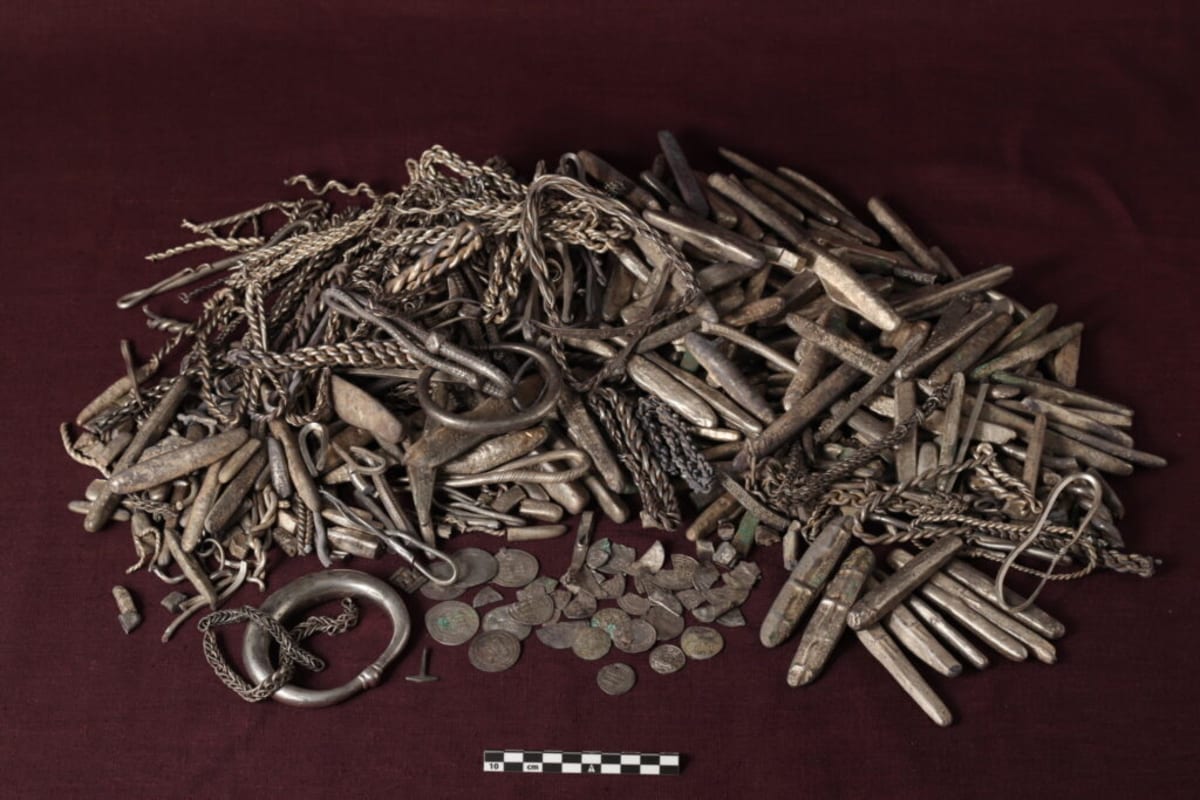
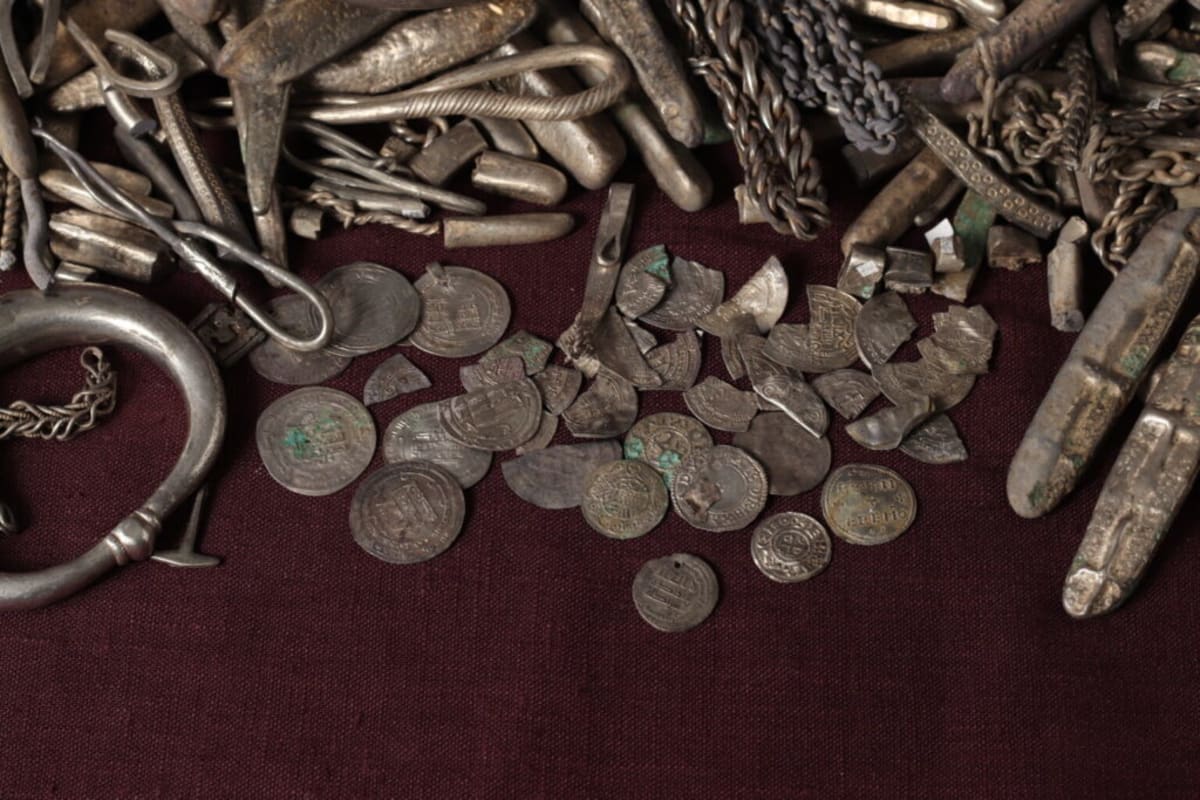
While preparing ground for a new terrace, a gardener spotted what looked like old iron scraps and broken pottery. Underneath lay something extraordinary: nearly 700 pieces of Viking Age silver weighing 18.5 kilograms, all packed into an ancient clay pot. The treasure had been waiting more than a millennium to be found.
The Rebild hoard is almost three times heavier than Denmark's previous record holder, the Terslev Hoard. But weight isn't what makes archaeologists excited.
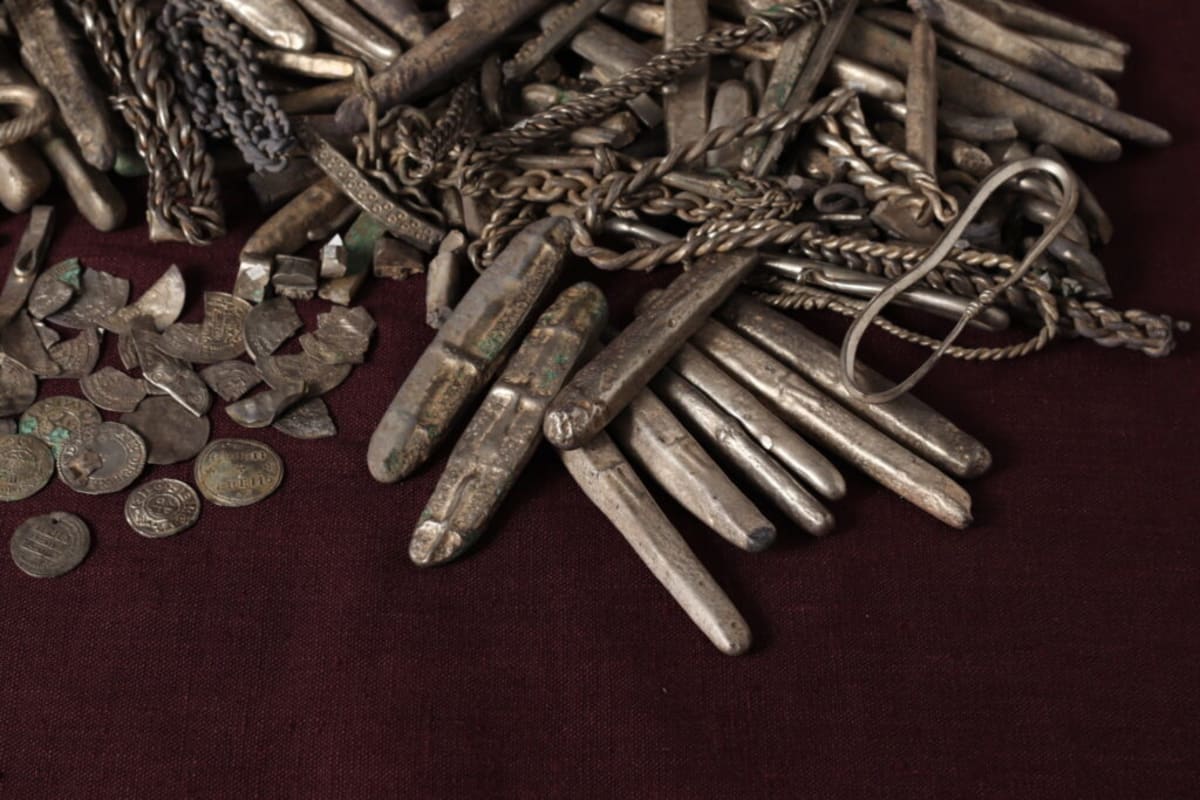
This collection tells a story about how Vikings actually did business. The hoard contains silver bars, jewelry fragments, 47 coins, and a tiny Thor's hammer. Only a small fraction is coins, while most consists of cut-up silver pieces and ingots.
That's because Vikings didn't always care about a coin's face value. They weighed silver on portable scales and traded it by weight, which meant a foreign coin was worth exactly what it weighed. A bracelet could be chopped up, jewelry melted down, and coins divided into fragments, all without losing value.
Torben Sarauw, head of cultural heritage at Nordjyske Museer, notes that many ingots cluster around specific weight groups. This wasn't random precious metal tossed in a pot. It was a carefully organized system of measurement and value.
The Ripple Effect
The coins connect Denmark to a vast trade network spanning three continents. Arabic silver dirhams traveled north through eastern routes, while Anglo-Saxon coins came west across the North Sea. One coin stands out: minted in Viking-ruled York between 921 and 925, it features both a Christian cross and Norse symbols side by side.
This single coin shows how cultures blended in Viking Age England and helps date the hoard. The silver couldn't have been buried before 921, when that York coin was struck.
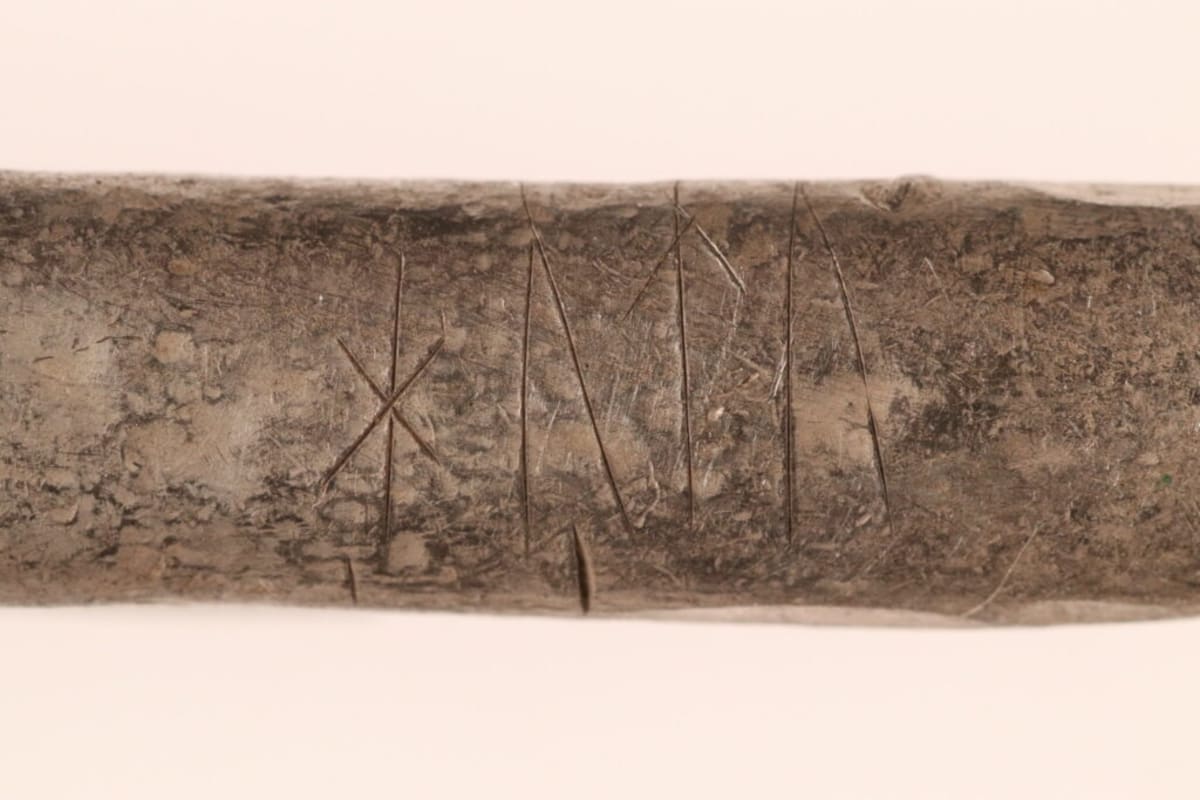
One silver bar carries an even deeper mystery. Someone scratched runes into its surface that may read "hutu." Researchers don't yet know if it's a name, an ownership mark, or something else entirely. The inscription hints that these standardized pieces of silver might have carried personal stories before being buried.
The discovery transforms our understanding of Viking commerce. These weren't just raiders, they were sophisticated traders who moved silver from Baghdad to York to northern Denmark, weighing and dividing wealth with mathematical precision. And now, after lying hidden for over a thousand years, their fortune is teaching us how connected the Viking world really was.
More Images
Based on reporting by Google: archaeological discovery
This story was written by BrightWire based on verified news reports.
Spread the positivity!
Share this good news with someone who needs it
%2Ffile%2Fattachments%2F2997%2F36Thulamela_Archaeological_Research_Field_Trip_Sept_2025_035_372816.jpg)