Roman Mosaic Names 1,800-Year-Old Pets Emerald and Ocean
Archaeologists in Turkey discovered a stunning Roman villa mosaic featuring a cat named "Emerald" and a dog called "Okyanos" (Ocean), offering a rare glimpse into ancient pet ownership. The 1,800-year-old artwork shows that Romans loved their animals enough to immortalize them by name in their home floors.
Nearly two thousand years ago, a Roman family loved their pets so much they put their names in the floor forever.
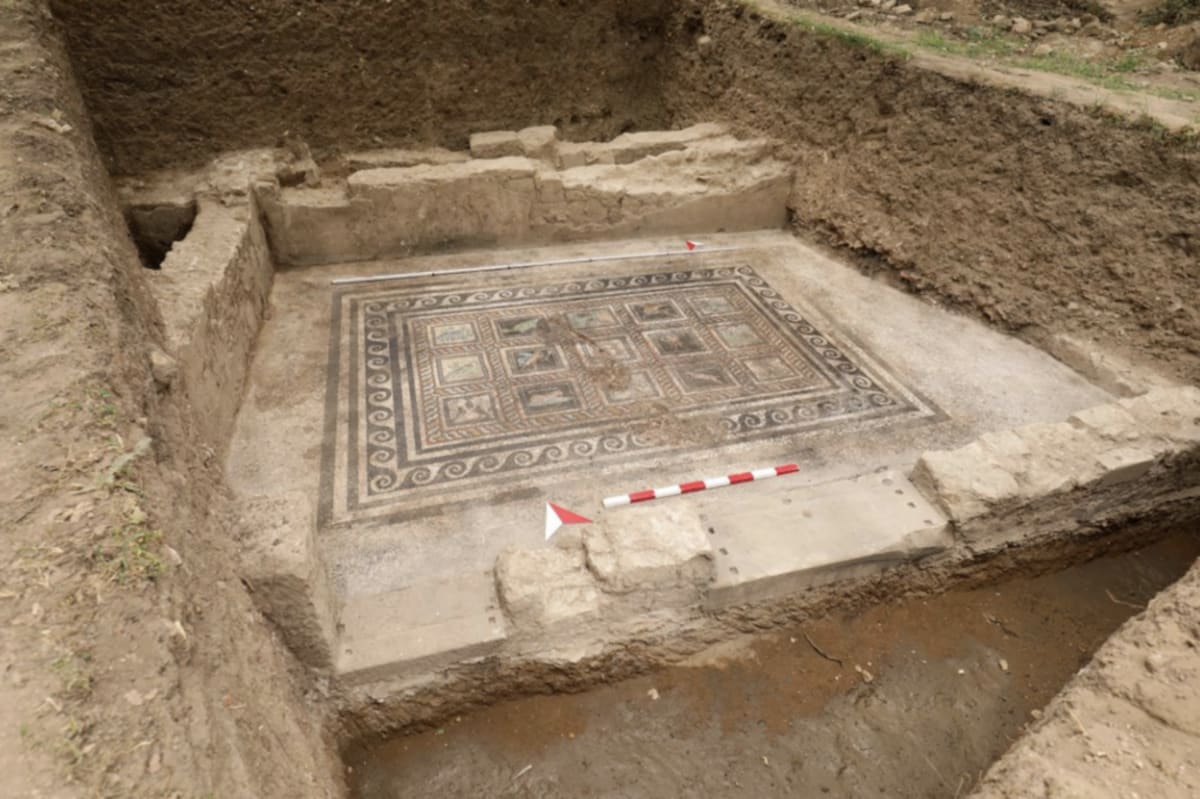
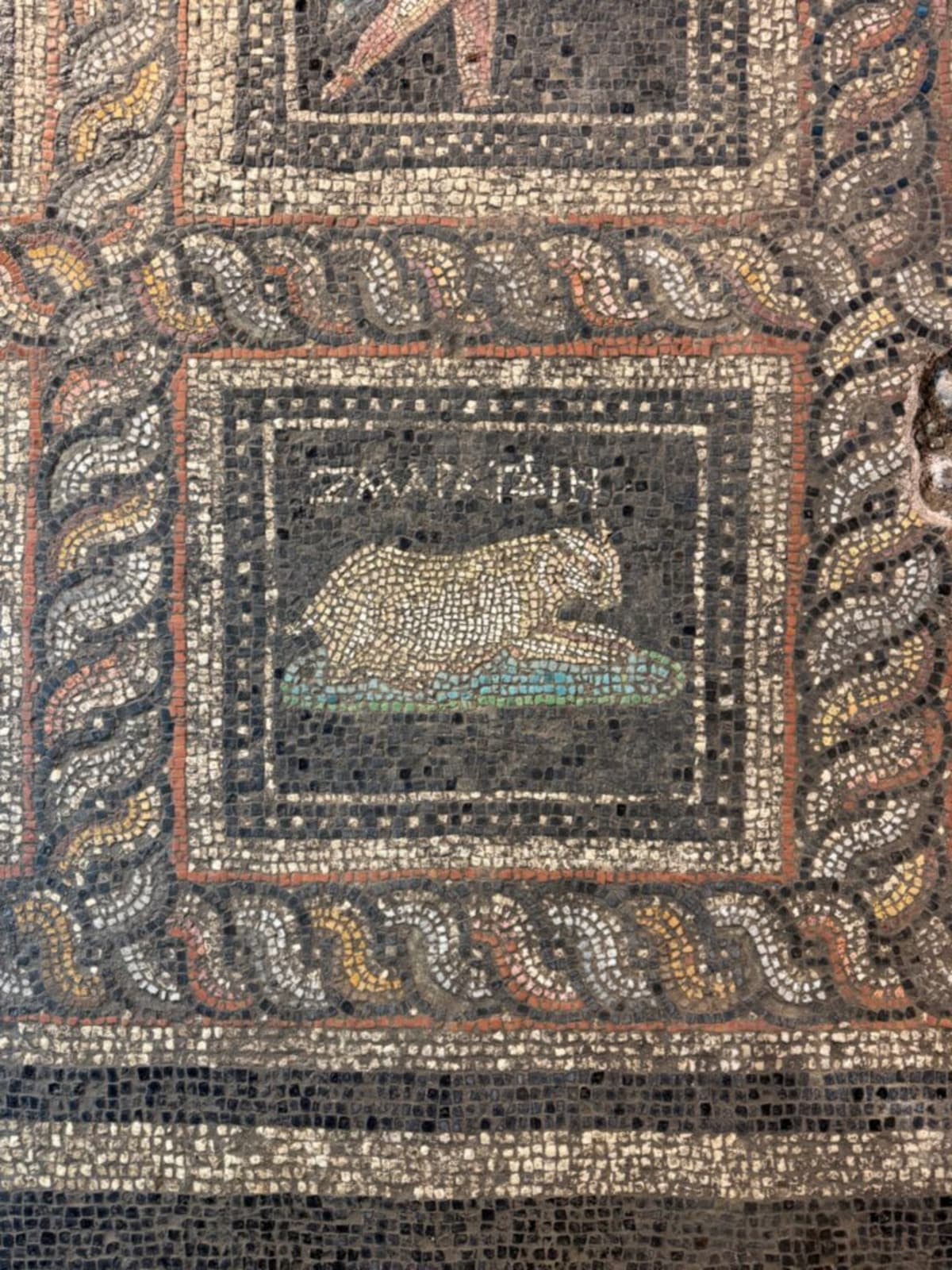
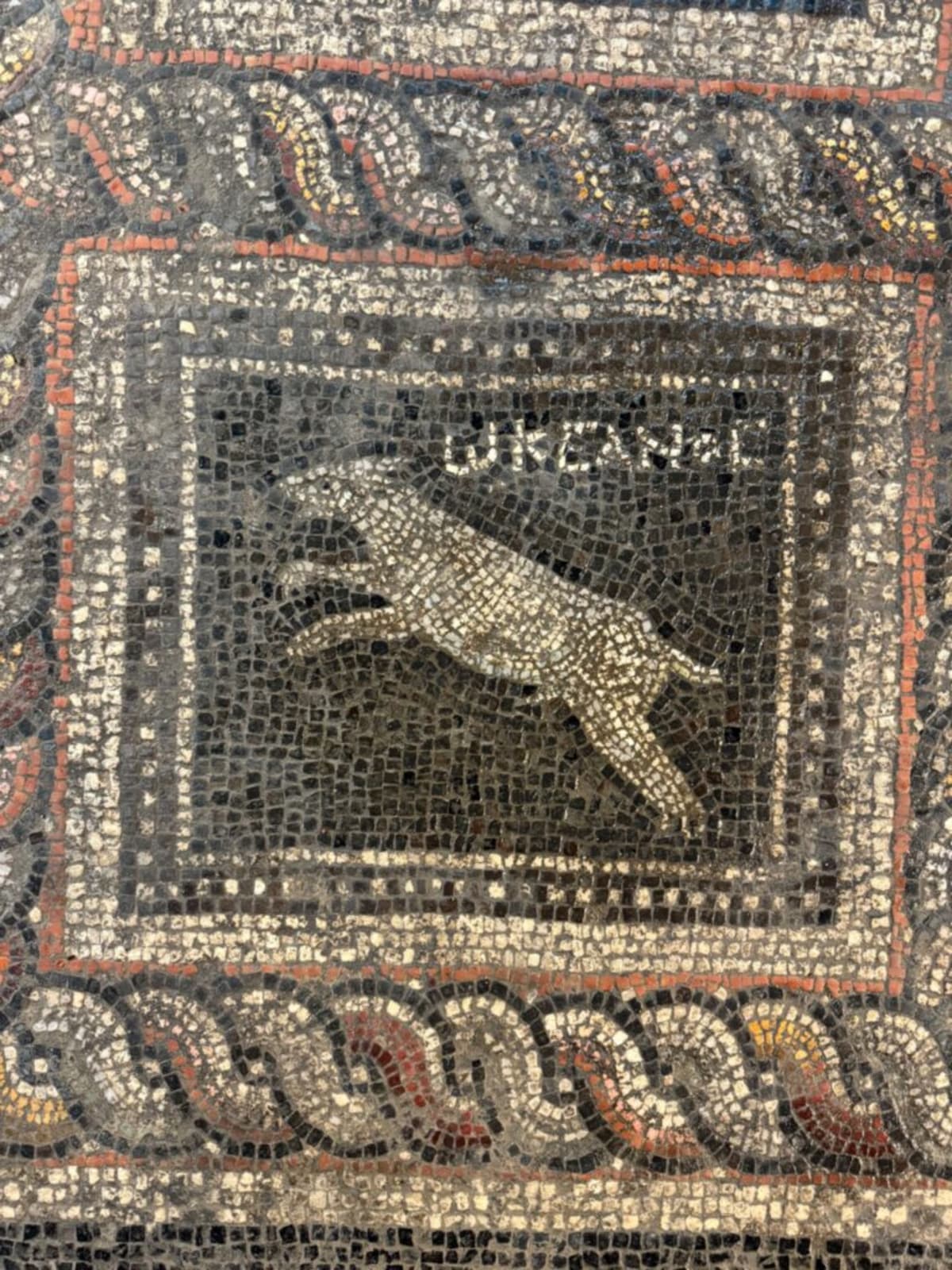
Archaeologists excavating the ancient city of Adramytteion in western Turkey have uncovered something extraordinary: a mosaic floor from a luxurious Roman villa featuring not just images of a cat and dog, but their actual names. The cat was called something meaning "Emerald," while the dog bore the name "Okyanos," or Ocean in Greek.
This discovery transforms our understanding of Roman pet ownership. While ancient mosaics often showed animals as decorative symbols, giving them individual names reveals a deeply personal connection between these creatures and their human family.
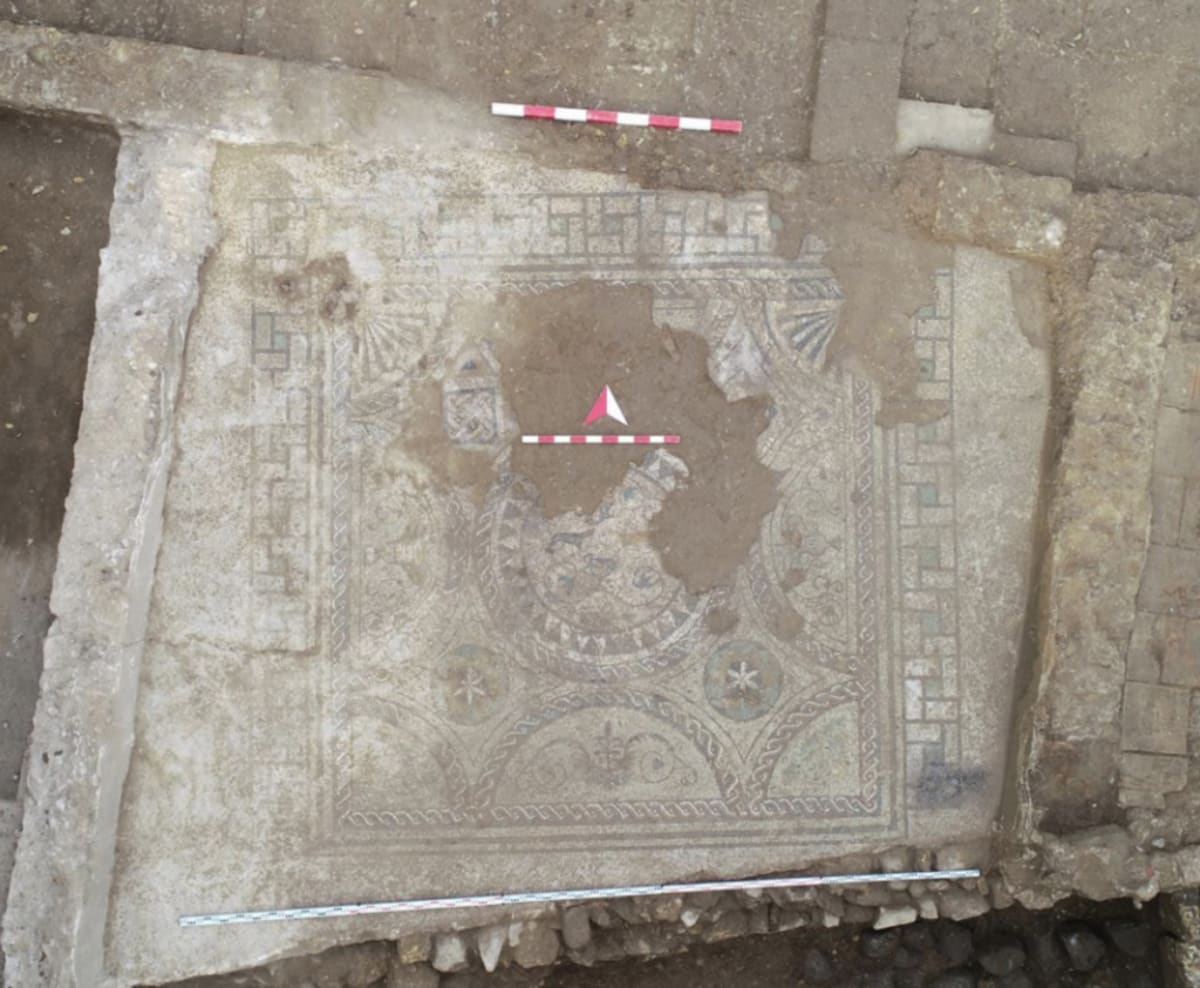
The villa itself tells a story of wealth and sophistication. Built between the 2nd and 3rd centuries AD, the 730-square-meter residence featured an elegant central courtyard, elaborate water systems, and a stunning reception hall decorated with 15 different mosaic panels.
That main hall is where Emerald and Ocean lived forever in stone. They shared the space with mythological creatures like Medusa, a winged horse, birds, fish, and a figure possibly representing Eros, the god of love.
The Bright Side
What makes this find so special is how it humanizes ancient Romans. We often think of them through their emperors, battles, and monuments, but this mosaic shows us something more relatable: people who cherished their pets enough to honor them in their most beautiful rooms.
Hüseyin Murat Özgen, head of the archaeological team from Mimar Sinan Fine Arts University, noted that these named animals weren't just decoration. They reveal something about the personality and values of whoever owned this grand house.
The villa also contains fascinating clues about its owner's life. One mosaic shows a winged horse that appeared on Adramytteion's coins 500 years earlier, suggesting deep roots in the community. Other panels feature imagery common in North African mosaics, leading researchers to wonder if the owner was a merchant with trading connections across the Mediterranean.
The ancient city of Adramytteion, located in modern-day Ören in Balıkesir Province, has been continuously excavated since 2012. The site reveals layer upon layer of human history, from the Chalcolithic period through medieval times.
For anyone who's ever looked into their pet's eyes and seen family, this 1,800-year-old floor proves the feeling isn't new at all.
More Images
Based on reporting by Google: archaeological discovery
This story was written by BrightWire based on verified news reports.
Spread the positivity!
Share this good news with someone who needs it
%2Ffile%2Fattachments%2F2997%2F36Thulamela_Archaeological_Research_Field_Trip_Sept_2025_035_372816.jpg)
%2Fhttps%3A%2F%2Ftf-cmsv2-smithsonianmag-media.s3.amazonaws.com%2Ffiler_public%2Ff8%2F2a%2Ff82aae37-3a31-4995-b8f3-4be66db320c8%2Fmembers_of_the_research_team_during_the_documentation_and_analysis_work.jpeg)