Denmark Uncovers 2,000-Year-Old Temple at Iron Age Power Hub
Archaeologists in Denmark have discovered a massive pagan temple from the time of Christ, revealing a lost Iron Age society that wielded extraordinary military, economic, and religious power. The find at Hedegård includes a fortified settlement filled with luxury goods from across Europe and the Middle East.
Archaeologists in Denmark just unlocked a window into a powerful civilization that vanished 2,000 years ago, and what they found is rewriting Iron Age history.
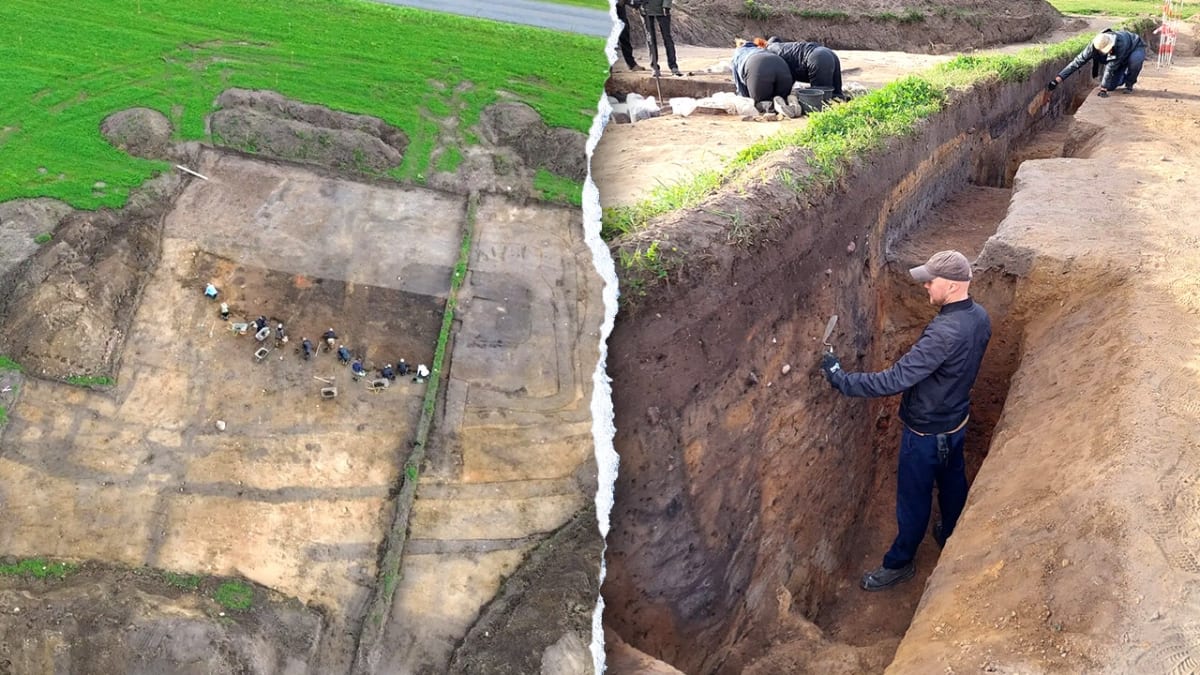
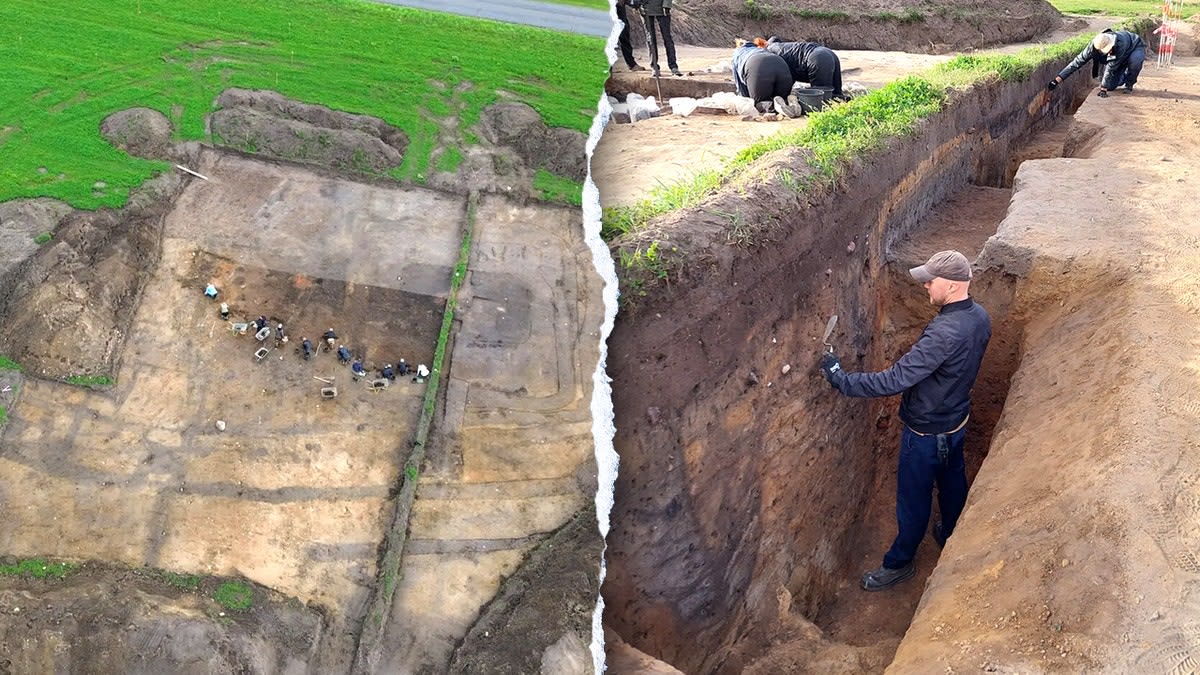
The Museum of Central Jutland announced the discovery of a massive temple at Hedegård, near Ejstrupholm north of the Skjern River. The structure measures roughly 49 by 53 feet and dates to the decades around Christ's birth, making it one of the most significant religious sites ever found in Northern Europe.
The temple likely stood as a tall, tower-like building with an outer colonnade and white-painted walls. At its exact center sat a raised clay platform with an ornamental hearth, a sacred space that was rebuilt at least twice before the entire structure was deliberately burned.
Beneath the burn layer, researchers found two glass beads likely produced in the Middle East or Egypt. The temple was carefully emptied before its ritual destruction, leaving archaeologists to piece together its purpose from what remained.
But the temple is just one piece of a much bigger story. Hedegård has emerged as Denmark's largest settlement from the Iron Age, a fortified power center that controlled the most important road through Jutland.
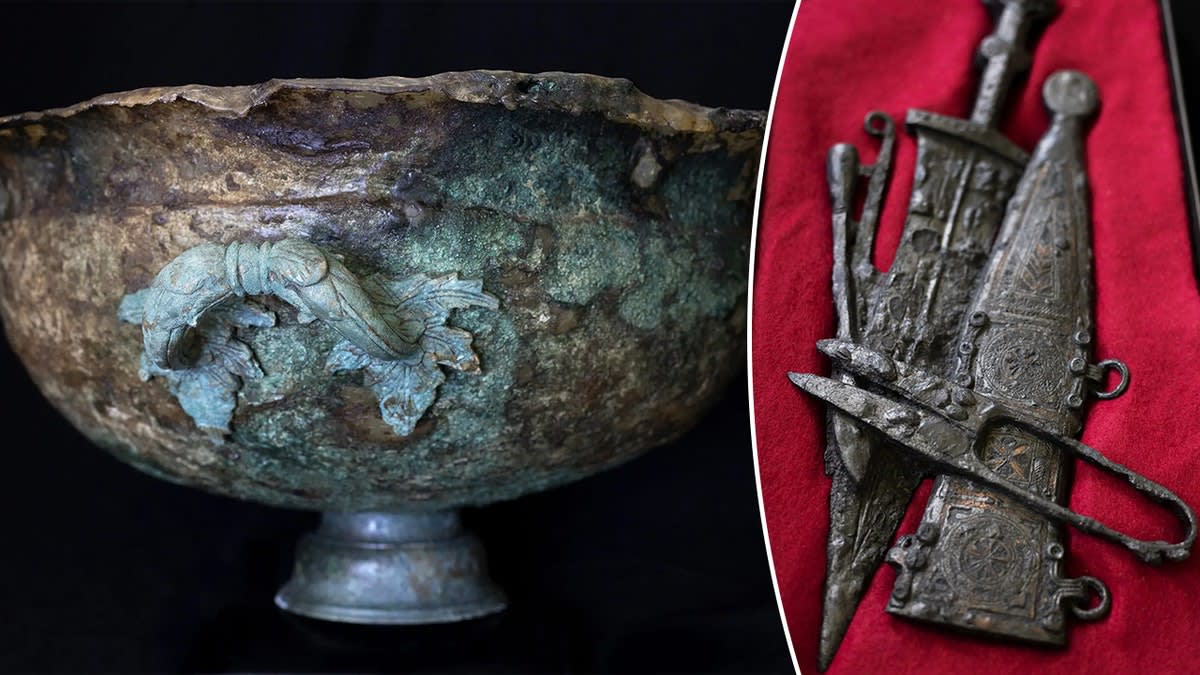
The site has yielded luxury goods, weapons from Celtic tribes, and prestige items from Roman workshops. Rich graves and weapon burials first drew attention in the late 1980s, but recent excavations revealed the true scale of this society's reach.
"It remains unique in Northern European archaeology," the museum stated. The settlement shows clear signs of militarization, political elites, monumental construction, and extensive trade networks stretching across Europe and beyond.
Martin Winther Olesen, an archaeology curator, explained that this was a pagan structure built between 50 B.C. and 50 A.D. Christianity wouldn't reach Scandinavia for almost another thousand years, making this temple a rare glimpse into pre-Christian Nordic religious practice.
Why This Inspires
What makes Hedegård so remarkable is how it challenges our understanding of ancient Scandinavia. This wasn't a scattered collection of simple villages. It was a sophisticated society with international connections, architectural knowledge borrowed from Roman and Celtic traditions, and the organizational power to build monuments that rivaled anything in Northern Europe.
The mystery deepens with one final puzzle. Evidence suggests Hedegård flourished for only about three generations before vanishing completely from history.
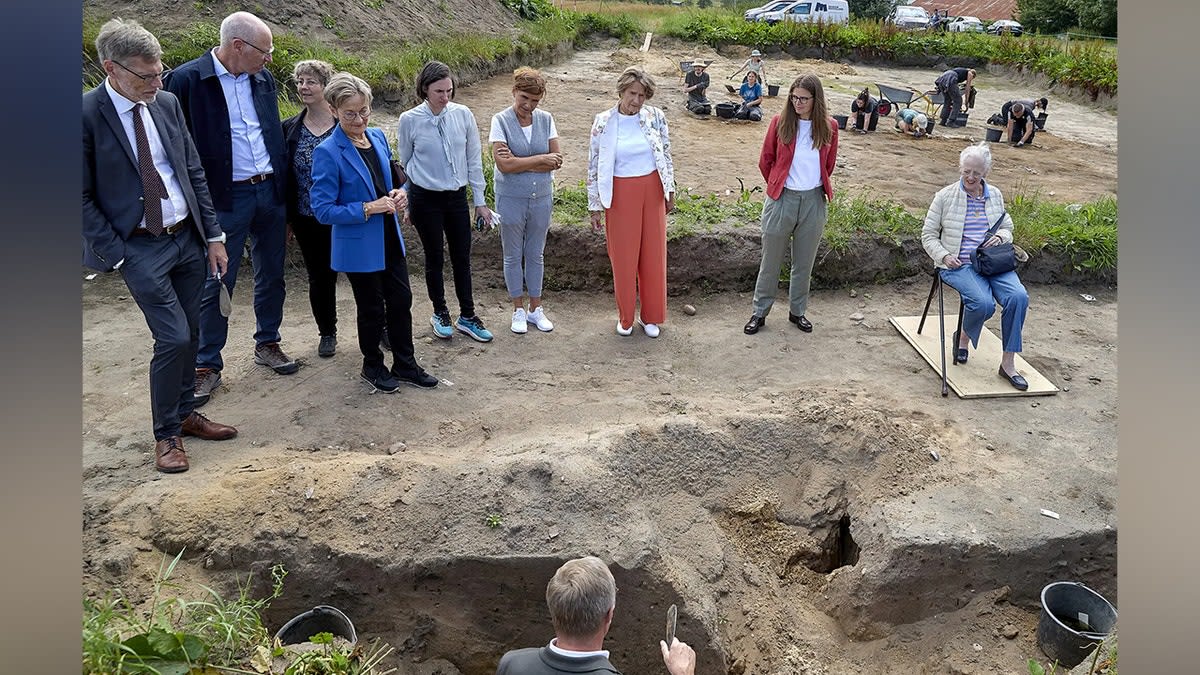
Working with researchers from Museum Horsens and Moesgaard Museum, the team continues to uncover clues about why this powerful center disappeared. Olesen says he could talk about the site "for two hours straight," a testament to how much there is still to learn.
The discovery was only possible thanks to collaborative work between talented archaeologists from Denmark and abroad. "It is an exquisite privilege to be allowed to work with a find that has an international dimension," Olesen said.
More Images
Based on reporting by Fox News Travel
This story was written by BrightWire based on verified news reports.
Spread the positivity!
Share this good news with someone who needs it