Polish Cave Find Reveals New Chapter in Neanderthal History
Scientists discovered teeth from eight Neanderthals in Poland's Stajnia Cave, proving Central Europe was a hub for ancient human cousins 100,000 years ago. The DNA findings are rewriting how we understand Neanderthal migration across the continent.
A small cave in Poland just revealed that our understanding of Neanderthals has been missing a major piece of the puzzle.
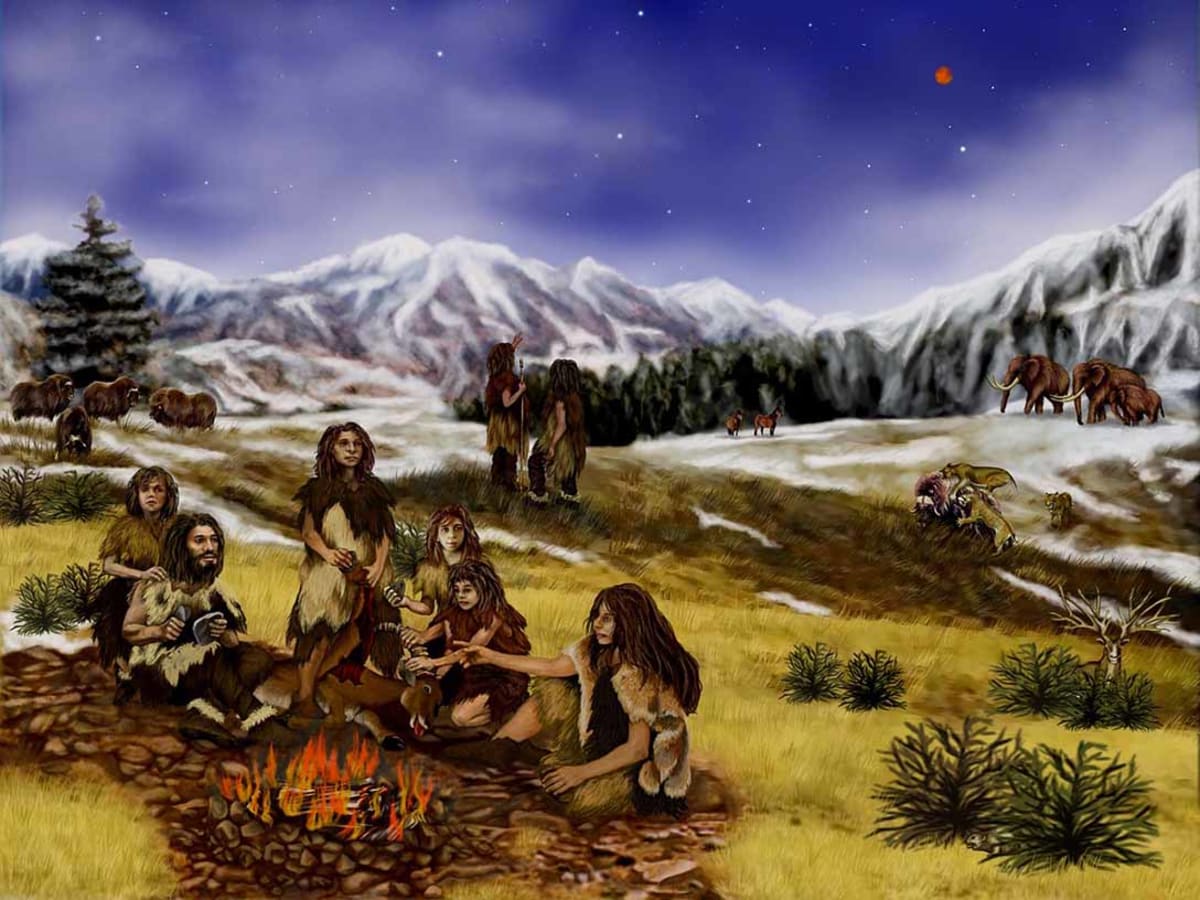
Researchers analyzing teeth from Stajnia Cave discovered genetic evidence from eight Neanderthals who lived 100,000 years ago north of the Carpathian Mountains. This marks the first time scientists have recovered Neanderthal DNA from this region, filling a critical gap in the story of our ancient relatives who split from human ancestors over half a million years ago.
What makes this discovery exceptional is having multiple individuals from the same place and time. "In most cases, Neanderthal genetic data come from single fossils or from remains scattered across different sites and periods," said lead researcher Andrea Picin from the University of Bologna. At Stajnia, scientists could reconstruct an entire small group, creating the first coherent genetic picture of Neanderthals in Central Europe.
The DNA analysis revealed surprising connections across the continent. The Polish Neanderthals shared genetic markers with groups from the Iberian Peninsula, southeastern France, and the northern Caucasus, suggesting a lineage that once spread far and wide before eventually being replaced.
Even more remarkable, three of the teeth came from individuals who shared identical mitochondrial DNA. Two belonged to juveniles and one to an adult, suggesting they were closely related, possibly even family members who lived together in the cave.
Why This Inspires
This discovery flips an old assumption on its head. Scientists once thought Central and Eastern Europe sat at the edge of where Neanderthals could survive. Instead, this region was central to their population movements and development across the continent.
The finding also demonstrates how much collaboration between different scientific methods can reveal. By combining archaeology, radiocarbon dating, and genetics, researchers are piecing together a more complete story of how Neanderthal groups moved, interacted, and developed technology across ancient Europe.
The work continues today as scientists compare findings across regions, slowly illuminating how our closest evolutionary relatives lived, traveled, and thrived tens of thousands of years before modern humans dominated the landscape.
Every tooth tells a story we're only beginning to understand.
Based on reporting by Google: fossil discovery
This story was written by BrightWire based on verified news reports.
Spread the positivity!
Share this good news with someone who needs it