Denmark Viking Site Reveals Sophisticated Textile Empire
Archaeologists just uncovered a massive 1,000-year-old Viking textile factory in Denmark that's rewriting what we know about Viking society. The discovery proves Vikings ran complex production networks far beyond their warrior reputation.
A discovery in the Danish countryside is flipping the Viking script from barbaric raiders to savvy business moguls.
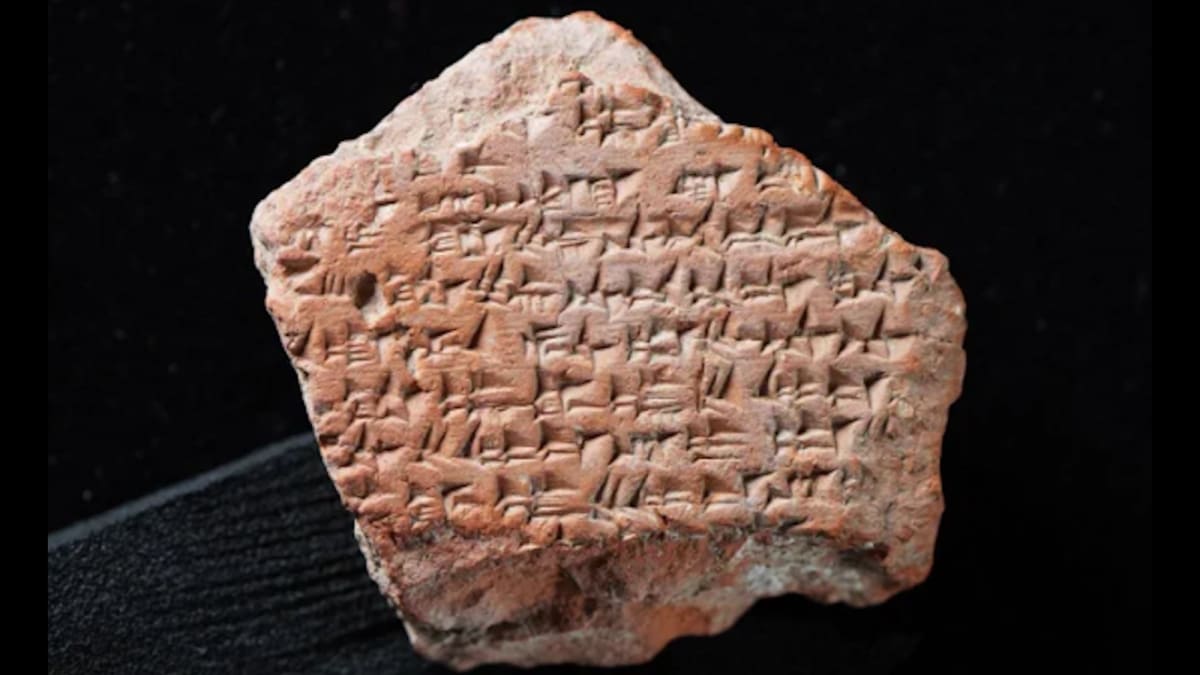
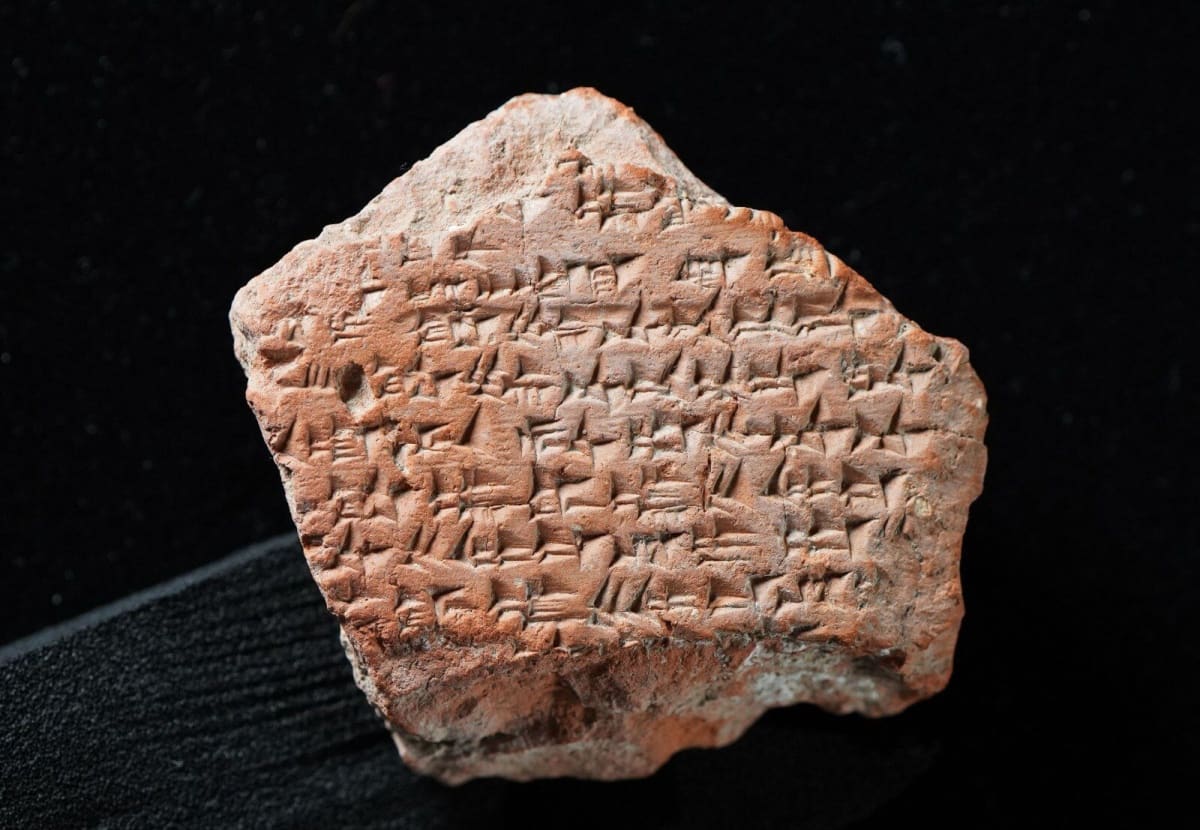
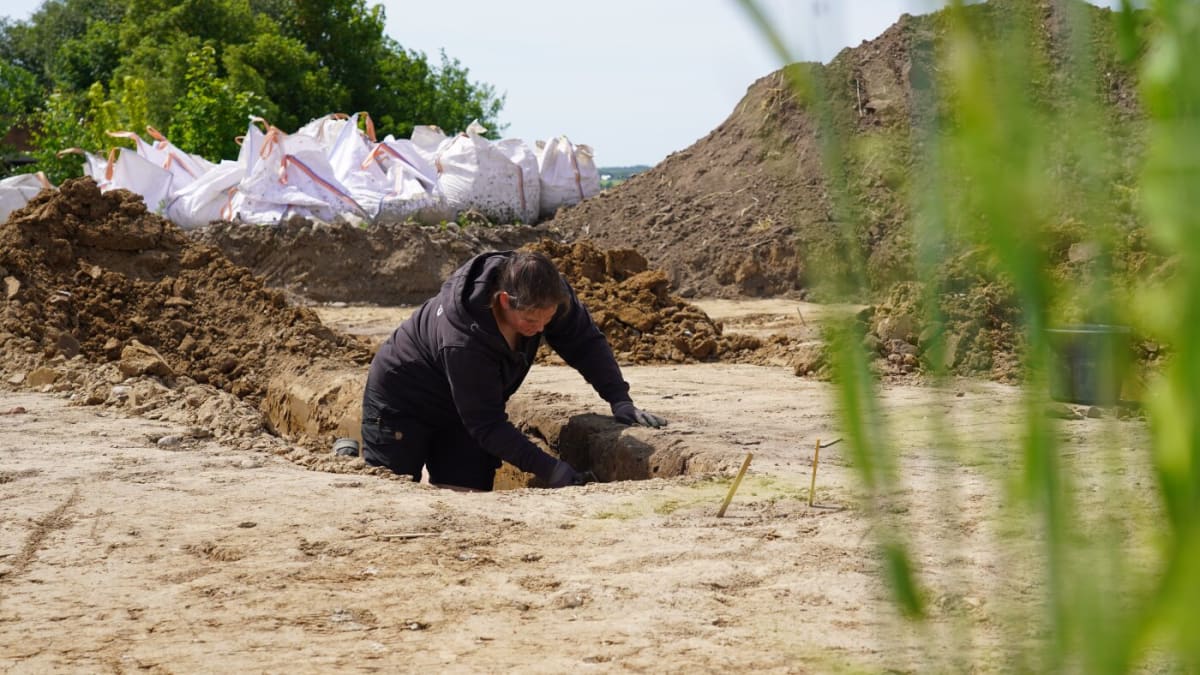
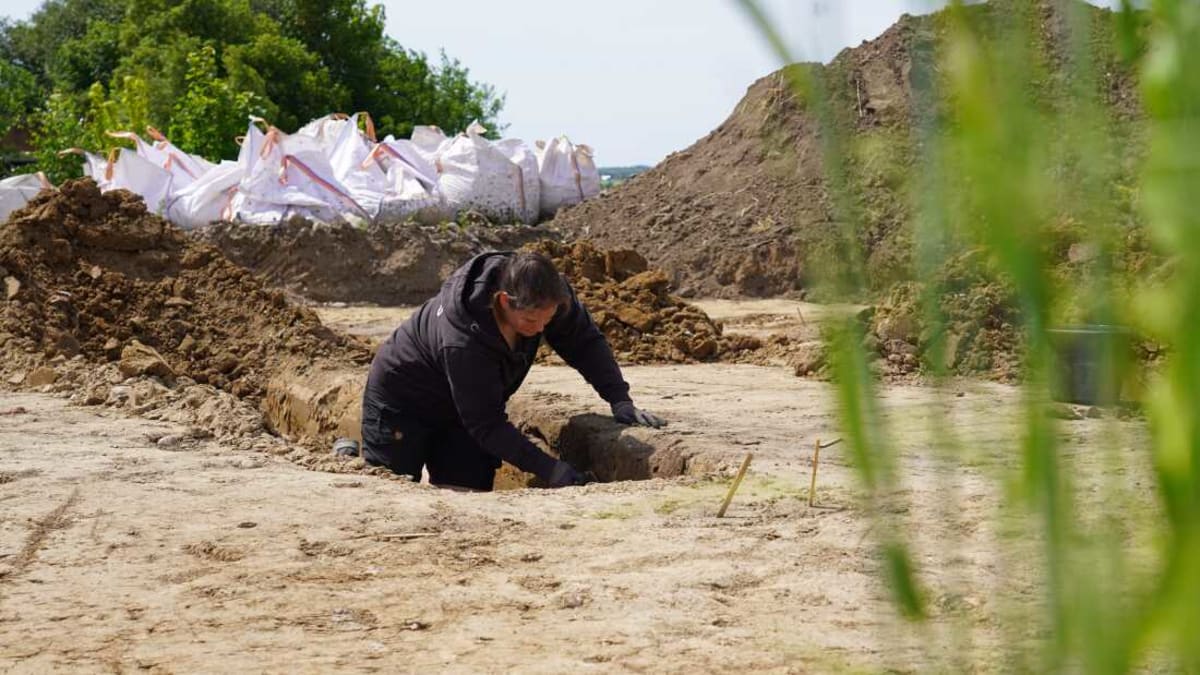
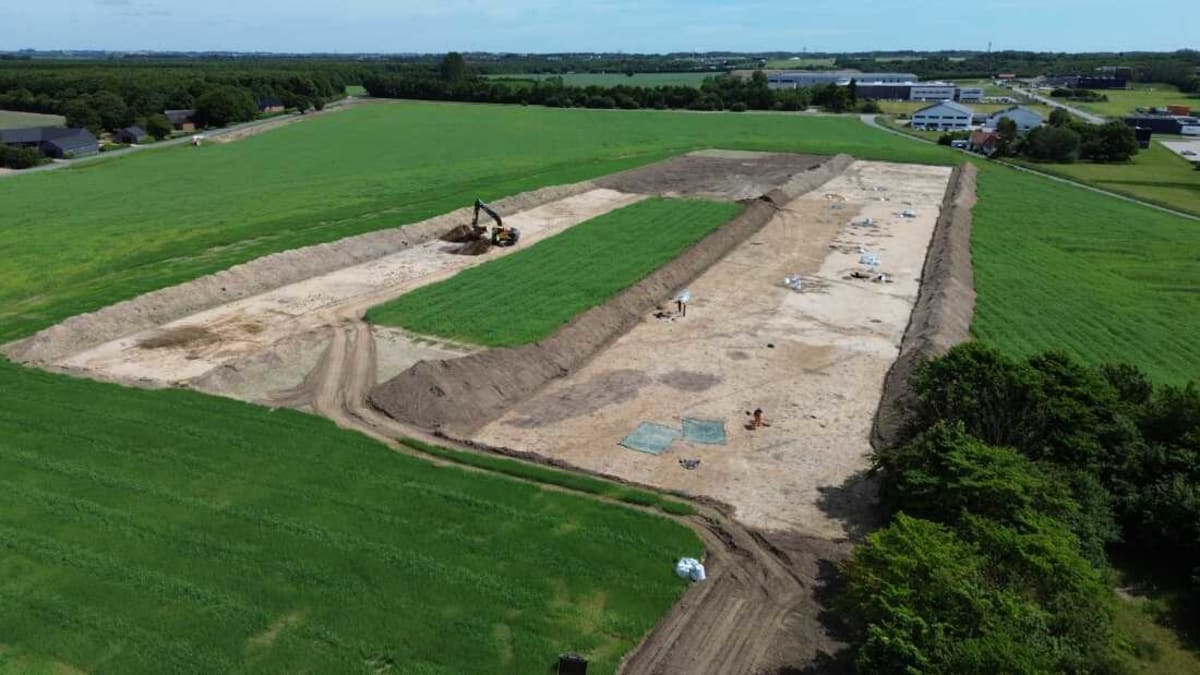
Archaeologists have unearthed a sprawling textile production site near Aarhus, Denmark, that dates back more than 1,000 years. The factory spans over 1 million square feet and includes more than 80 pit houses where workers spun thread, wove fabric, and processed flax between 600 and 950 A.D.
The 10-month excavation revealed something remarkable about Viking organization. The site featured separate zones for different production stages, plus a single residential home suggesting one powerful overseer controlled the entire operation.
"We have a clear focus on textile production, which makes this settlement different from other kinds of settlements of this period," said lead archaeologist Liv Stidsing Reher-Langberg. Her team found spindle whorls, weight looms, silver coins, glass beads, and pottery scattered throughout the workshops.
The location itself tells an economic story. Søften sits just six miles north of what was once Aros, a Viking Age center for royalty and international trade now known as Aarhus.
Last year, archaeologists discovered a Viking nobility site just 2.5 miles away. The pieces are coming together to reveal an intricate supply chain where countryside settlements like Søften fed goods into vast international trade networks.
The Ripple Effect
This discovery is changing how we understand Viking society. The scale of production at Søften required sophisticated planning, specialized workers, and reliable markets stretching far beyond Denmark.
"To have a place like Søften, you need a very well-organized society with a production line, and you also need a market to have the production," said Moesgaard Museum historian Kasper Andersen. The textiles made here likely traveled throughout Europe and possibly to North America.
Metal detector enthusiasts had been finding silver coins in the area for three decades. When construction work began on a new road 18 months ago, archaeologists jumped at the chance to investigate and struck gold, or rather, ancient thread.
The team now hopes carbon dating and pollen analysis will reveal exactly which fabrics were produced at this industrial scale. Each answer brings us closer to understanding the real Vikings: not just warriors, but entrepreneurs running complex businesses a millennium ago.
More Images

Based on reporting by Google: archaeological discovery
This story was written by BrightWire based on verified news reports.
Spread the positivity!
Share this good news with someone who needs it