Heat Wave Reveals Lost Churchill Garden at Blenheim Palace
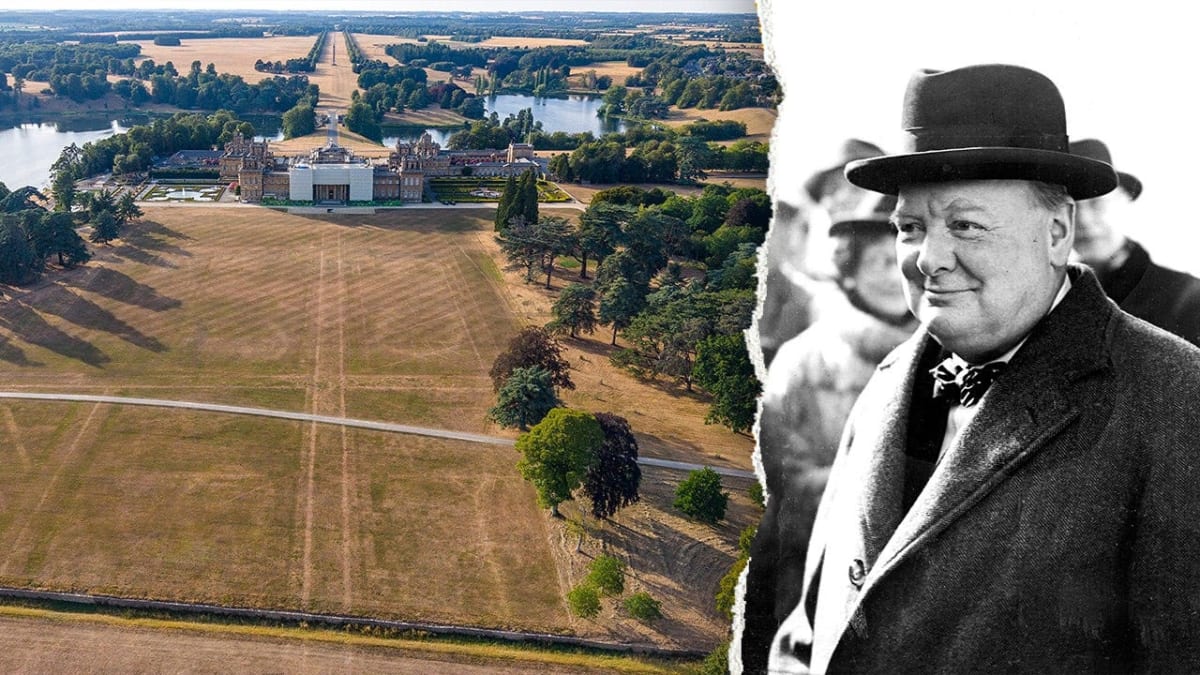
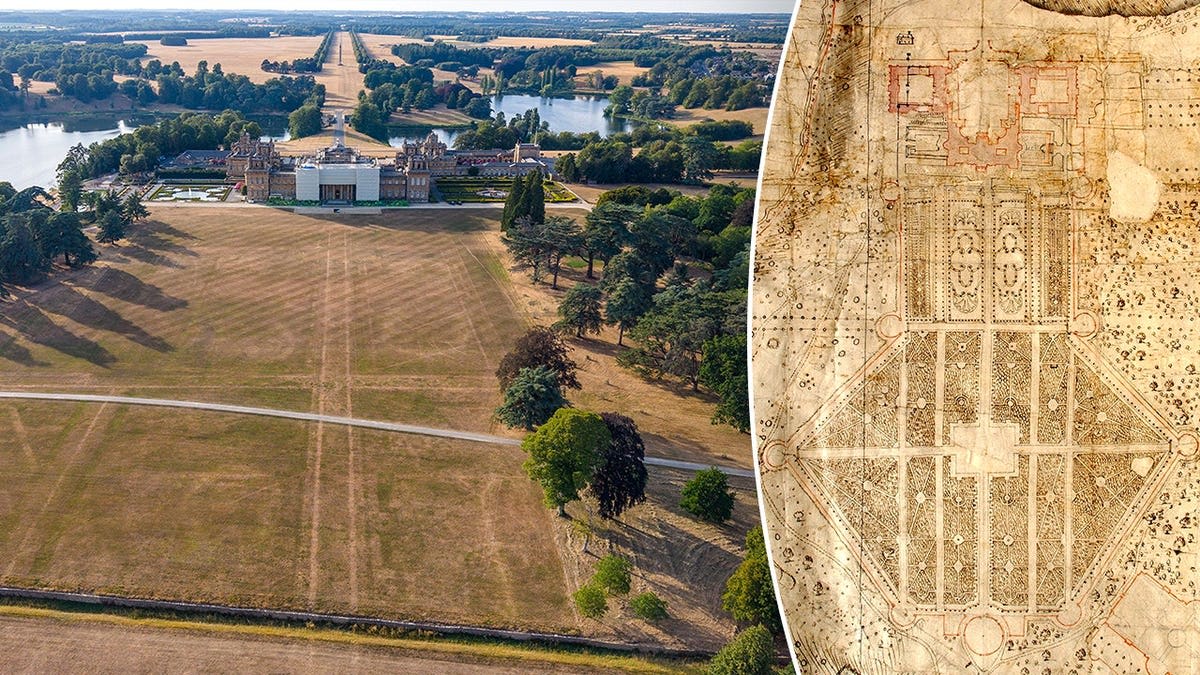
A scorching UK heat wave has exposed the ghostly outline of a 300-year-old formal garden at Winston Churchill's birthplace. The parch marks at Blenheim Palace offer a rare glimpse into the estate's original 18th-century design.
Nature just gave historians an unexpected gift at one of Britain's most famous landmarks.
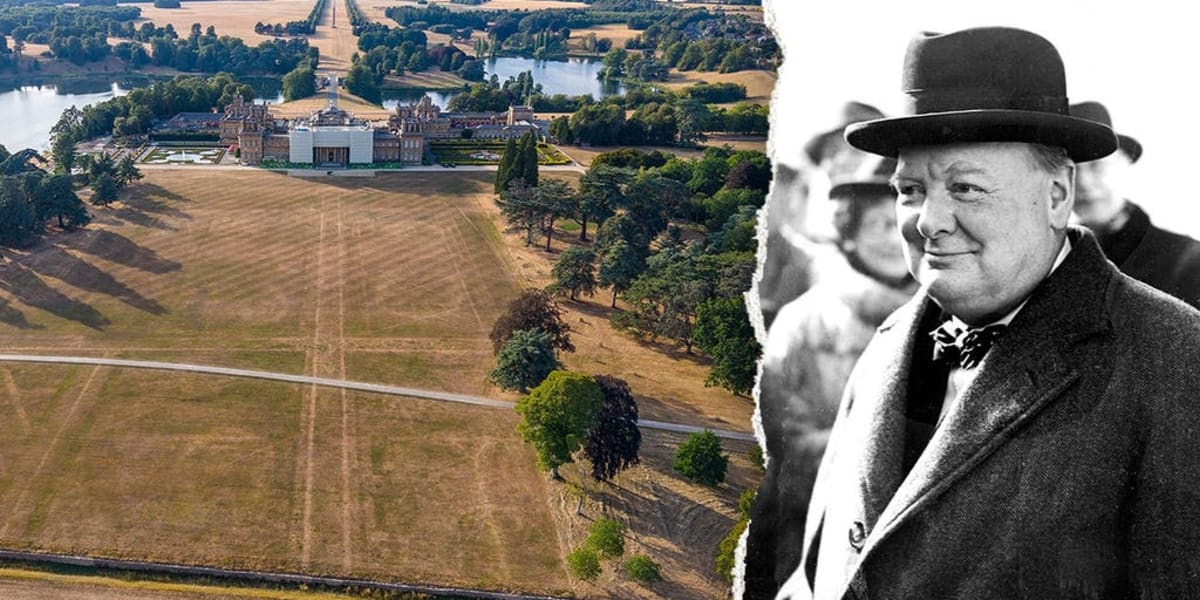
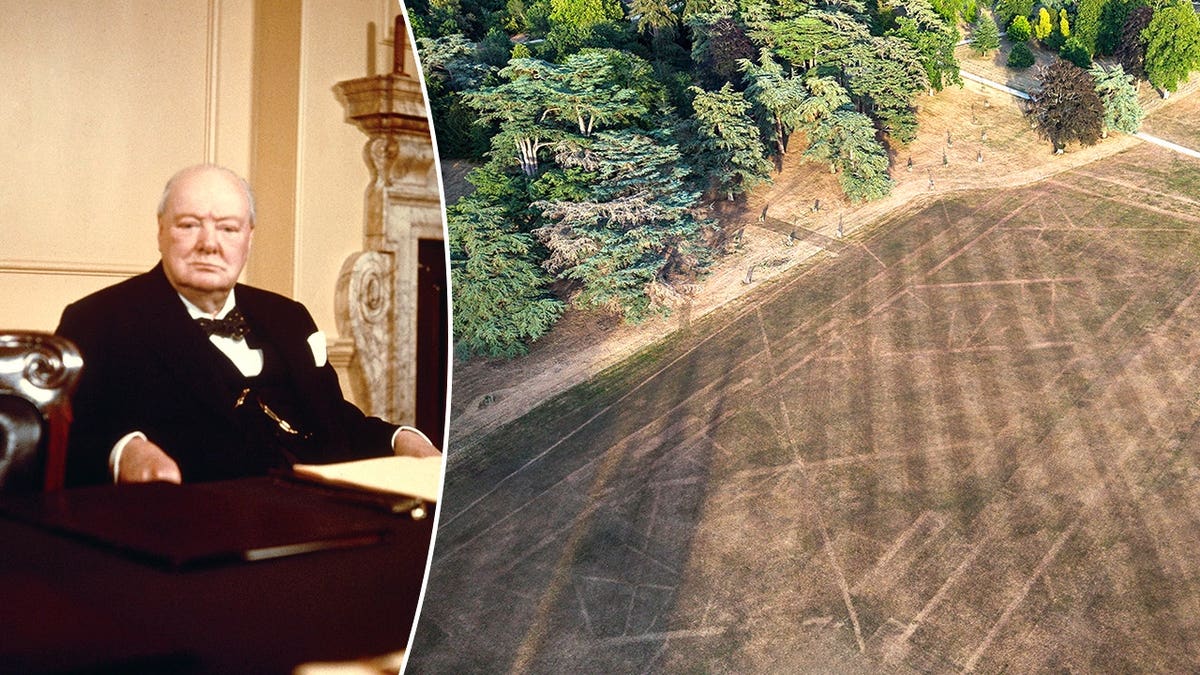
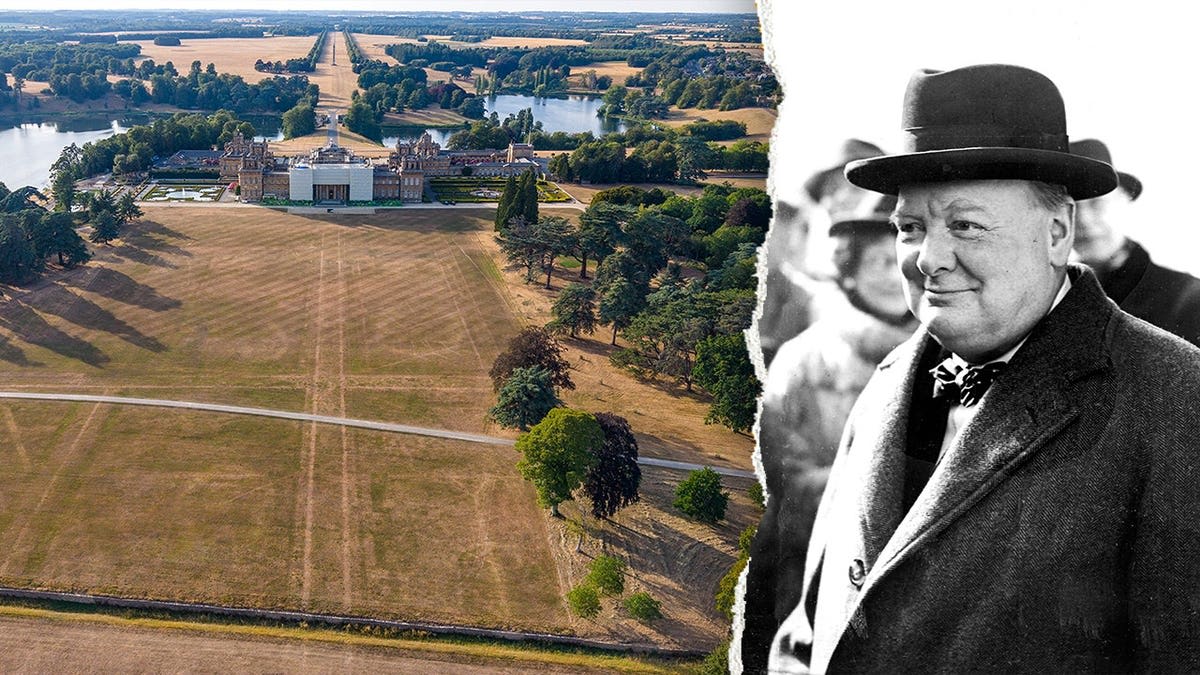
Aerial photos show the stunning outline of a long-lost 18th-century garden at Blenheim Palace, revealed by this summer's intense heat wave. The UNESCO World Heritage Site, located eight miles northwest of Oxford, is famous as Winston Churchill's birthplace and home to the Dukes of Marlborough.
The prolonged dry weather created parch marks across the palace grounds, tracing the intricate design of the original formal garden. Created in 1705 by royal gardener Henry Wise, the elaborate parterre featured symmetrical flower beds and pathways protected by high stone walls.
The garden stood for only 60 years before legendary gardener Lancelot "Capability" Brown dismantled it in the 1760s during his redesign of the palace grounds. Until now, visitors could only imagine what those original gardens looked like three centuries ago.
Head gardener Andy Mills called it a "fascinating bird's-eye view into Blenheim's past." The marks trace patterns invisible to the naked eye under normal conditions, revealing layers of history hidden beneath the modern landscape.
The Bright Side
Palace officials say the outline will remain visible until cooler temperatures arrive and rain greens up the grass again. With no rain forecast for weeks, visitors and historians have a rare window to witness this slice of living history.
Nearly one million people visited Blenheim Palace in 2023, drawn by its opulent State Rooms, extensive gardens, and the room where Churchill was born. Now they're getting an unexpected bonus: a natural time machine showing them exactly where 18th-century aristocrats once strolled through elaborate flower beds.
The discovery joins other exciting historical finds across Britain. Last year, archaeologists unveiled a remarkably preserved British warship from 1703, while construction workers recently unearthed a 300-year-old cannon during routine work.
Sometimes the best discoveries happen when we least expect them, proving history still has secrets to share.
More Images
Based on reporting by Fox News Travel
This story was written by BrightWire based on verified news reports.
Spread the positivity!
Share this good news with someone who needs it