DiCaprio Leads $200M Push to Save 100 Endangered Species
Leonardo DiCaprio's conservation group just launched the largest single effort ever to save critically endangered animals, with $200 million committed to rescuing 100 species from extinction. From rare seabirds in New Zealand to tortoises in Madagascar, this global project proves that bringing species back from the brink is possible.
A hundred of Earth's most threatened species just got a fighting chance, thanks to the biggest conservation rescue mission in history.
The Phoenix Species Project launched with $200 million in funding, led by Leonardo DiCaprio's Re:wild alongside Jeff Bezos' Bezos Earth Fund and other major donors. This unprecedented effort targets 100 critically endangered species across 30 countries, from mammals and birds to fish, reptiles, and even plants.
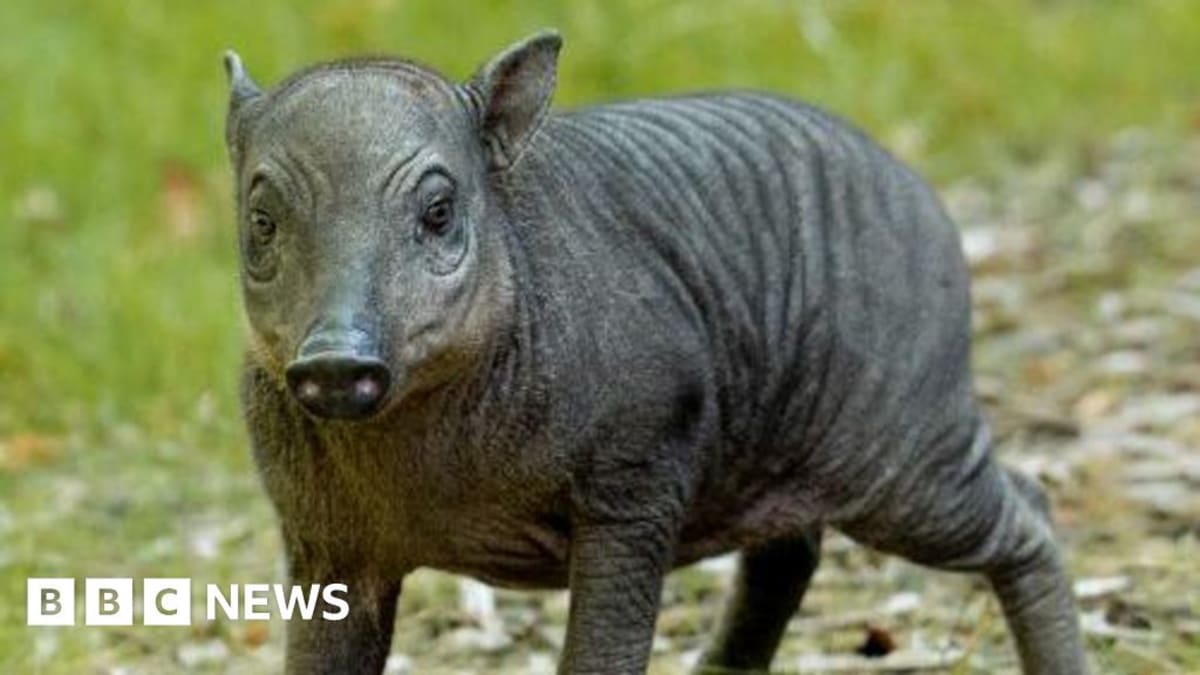
Some of these animals are down to their last few dozen individuals. The Ploughshare tortoise from Madagascar has only 50 to 100 left in the wild. The Bahamian Hutia, a rabbit-sized rodent, clings to survival in the Caribbean. The Chatham Island Taiko, one of Earth's rarest seabirds, struggles in New Zealand.
What makes these creatures worth saving goes far beyond their individual stories. Each species plays a critical role in its ecosystem, and losing them creates ripple effects that harm entire habitats.
The Ripple Effect
The Phoenix Species Project takes a revolutionary approach by treating all 100 species as interconnected parts of a global puzzle. When conservationists save the Ploughshare tortoise, they also protect Madagascar's forests. When they rescue the Chatham Island Taiko, they strengthen New Zealand's coastal ecosystems.
"Species on the brink of extinction are often the ones that anchor some of the world's most important ecosystems," DiCaprio explained. "When we protect those species, we also protect the forests, wetlands, grasslands, and oceans they depend on."
The recovery strategies are tailored to each species' unique needs. Some will benefit from conservation breeding programs that grow their populations in safe environments. Others need habitat restoration, disease management, or protection from invasive species threatening their survival.
The project brings together the world's top scientific minds through partnership with the IUCN Species Survival Commission. Equally important, it includes the knowledge of Indigenous groups, local communities, and field researchers who have protected these species for generations.
This isn't just about stopping extinction; it's about proving that recovery is possible no matter how dire the situation looks, and showing that we can rebuild the natural systems that support all life on Earth.
More Images

Based on reporting by Google News - Endangered Species Recovery
This story was written by BrightWire based on verified news reports.
Spread the positivity!
Share this good news with someone who needs it